
Tricia Keightley
Person by Tricia Keightley
Reimagining Healing in the Digital Age
About
Founder of Portrayals XR, a healing platform using VR, AI, and neuroscience to reprogram the subconscious;; 14+ years as a digital entrepreneur in branding and tech;; Certified in Neuro-Linguistic Programming and Inner Child Healing;; Speaker and aut...
Founder of Portrayals XR, a healing platform using VR, AI, and neuroscience to reprogram the subconscious;; 14+ years as a digital entrepreneur in branding and tech;; Certified in Neuro-Linguistic Programming and Inner Child Healing;; Speaker and author passionate about emotional wellness and transformational tools;; Creates immersive experiences that help therapists, coaches, and individuals access deeper healing;; Blends science and soul to make subconscious reprogramming accessible and scalable;; On a mission to shift how the world heals—one breakthrough at a time;;
What Matters
Science mattered to Tricia Keightley as a method for understanding the natural world. Keightley valued scientific inquiry for its rigor and its role in driving progress.
History was important to Tricia Keightley, who believed that 'understanding the past is essential to shaping the future.' Keightley often drew lessons from historical context.
Social justice was on Tricia Keightley's radar, reflecting a commitment to fairness and equity. Keightley advocated for 'a more just and inclusive society.'
Literature was a consistent thread in Tricia Keightley's intellectual life, serving as both inspiration and a lens for understanding the world. Keightley valued the power of narrative and storytelling.
Education mattered deeply to Tricia Keightley, who saw it as a transformative force. Keightley believed that 'learning is a lifelong pursuit' and championed access to knowledge.
Philosophy resonated with Tricia Keightley, who often engaged with questions of meaning, ethics, and existence. Keightley found value in examining 'the big questions' of life.
Art was a significant interest for Tricia Keightley, who appreciated its capacity for expression and reflection. Keightley saw art as 'a mirror to society and the self.'
Fashion did not matter to Tricia Keightley, who viewed trends and style as superficial concerns. Keightley preferred substance over appearance.
Sport was largely ignored by Tricia Keightley, who found little personal relevance in athletic competition or fandom. Keightley rarely engaged with sport-related topics.
Whys (7)

History was important to Tricia Keightley, who believed that 'understanding the past is essential to shaping the future.' Keightley often drew lessons from historical context.
Does HISTORICAL RECORDS matter to you?

Social justice was on Tricia Keightley's radar, reflecting a commitment to fairness and equity. Keightley advocated for 'a more just and inclusive society.'
Does SOCIAL JUSTICE matter to you?
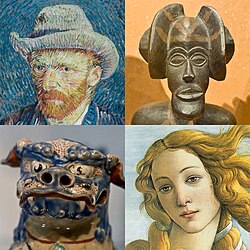
Art was a significant interest for Tricia Keightley, who appreciated its capacity for expression and reflection. Keightley saw art as 'a mirror to society and the self.'
Does ART matter to you?

Science mattered to Tricia Keightley as a method for understanding the natural world. Keightley valued scientific inquiry for its rigor and its role in driving progress.
Does SCIENCE matter to you?

Philosophy resonated with Tricia Keightley, who often engaged with questions of meaning, ethics, and existence. Keightley found value in examining 'the big questions' of life.
Does PHILOSOPHY matter to you?

Education mattered deeply to Tricia Keightley, who saw it as a transformative force. Keightley believed that 'learning is a lifelong pursuit' and championed access to knowledge.
Does EDUCATION matter to you?

Literature was a consistent thread in Tricia Keightley's intellectual life, serving as both inspiration and a lens for understanding the world. Keightley valued the power of narrative and storytelling.
Does LITERATURE matter to you?