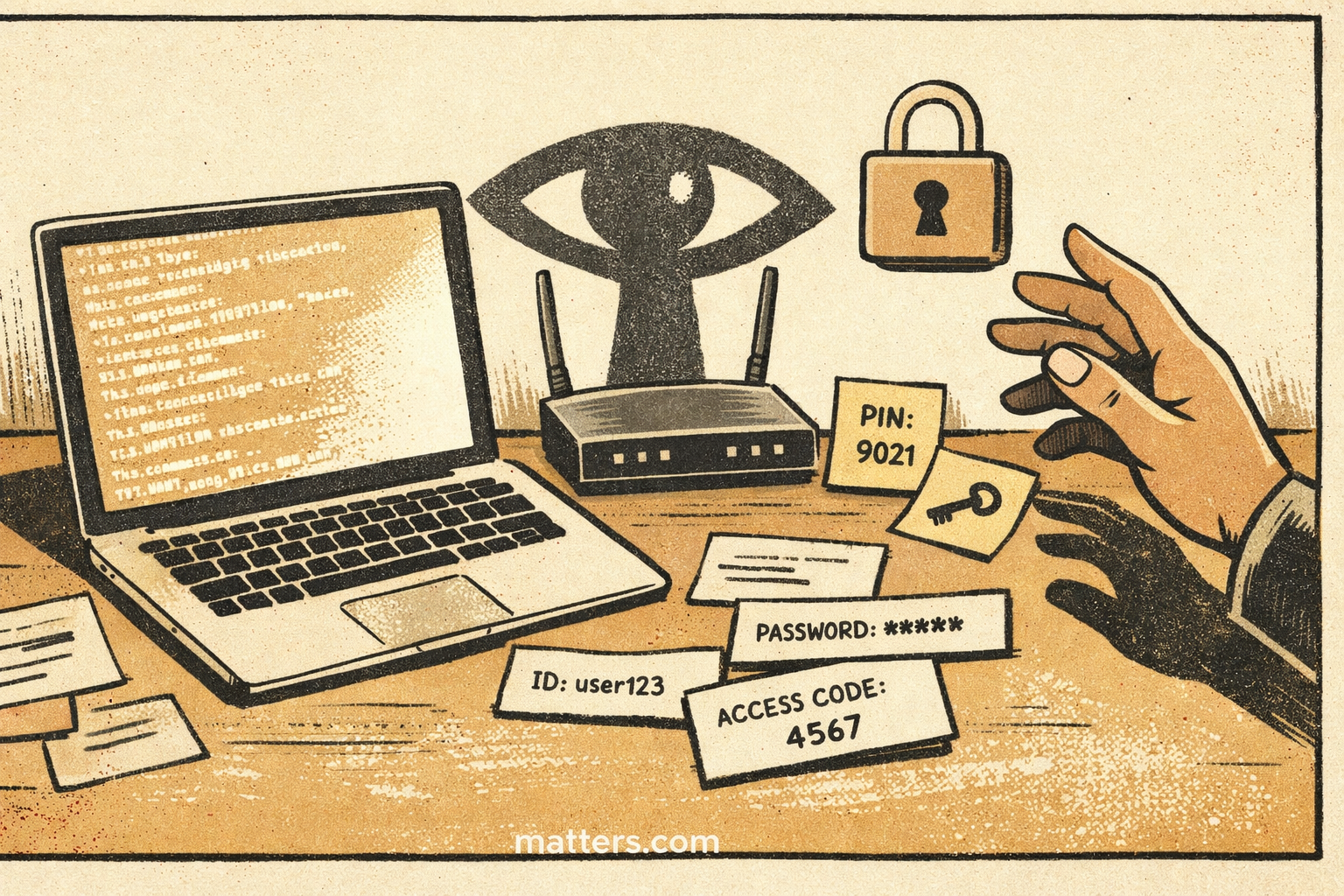
Today’s pulse checks: a government credential slip-up, fresh AI moves that could flip defense and regulation, and a privacy reminder that Wi‑Fi can be creepily clever. News that matters to operators, builders and anyone who still trusts a password with ‘123’.
Cybersecurity
Government secrets exposed and AI tools aiming to flip the defender's script
A public GitHub repo labeled
“CISA‑Private” leaked DHS/CISA credentials and cloud keys, threatening operational access and trust in incident response — see the
disclosure. [P]At the same time, OpenAI’s new
Daybreak tool promises faster automated vulnerability detection and fixes, which could compress attackers’ windows and reshape defensive playbooks (
read). Adding insult to injury, researchers show standard Wi‑Fi plus AI can identify people with near‑perfect accuracy, underscoring a fresh privacy vector defenders must account for (
study).
dehumanization
Old tropes and daily brutality remind how narratives strip people of dignity
A resurfaced 1934 book,
Twelve Jews, exposes long-running tropes that fuel antisemitic dehumanization and the persistence of dangerous narratives (
story). [P]A stark first‑person account from a Florida reception center describes sensory brutality and institutional practices that normalize prison life and erode empathy, illustrating how systems—not just words—dehumanize (
first‑person).
Artificial Intelligence
Regulators, governments and classrooms wrestle with AI's next act
Illinois moved a bill forward requiring transparency and risk controls for large models, a potential template for state‑level AI oversight (
report). [P]Governments are cutting workforces while leaning harder on AI for service delivery, signaling structural shifts in public operations (
details). Meanwhile, education leaders in the Asia‑Pacific are plotting how AI will slot into learning beyond 2030, and payments firms warn fraudsters now target humans as systems harden — both notes on where adoption and risk converge (
education,
fraud).
Love
From marriage critiques to caregiving crimes — love gets complicated
Actor Ridhi Dogra urged people to stop romanticizing marriage and demand equality, reframing expectations around partnership and power (
note). [P]Public trust in caregiving is strained after a caretaker was sentenced in a child‑harm case, while voices on faith, celebrity gestures and National AIDS Day anti‑stigma drives all remind that love shows up messy — in policy, media and personal care (
case,
AIDS Day).
Ufo
Pentagon footage and one billion pageviews keep UAPs in the spotlight
The Pentagon released pilot footage of CENTCOM and EUCOM incidents that adds firsthand aviation perspective to formal UAP analyses and flight‑safety concerns (
footage). [P]Meanwhile, the U.S. government's UAP data site passed
1 billion views, a reminder that public scrutiny and web traffic turn classified puzzles into mass conversations (
traffic).
Iran
Diplomacy, intelligence shakeups and economic spillovers from the Iran conflict
Former President Trump framed Iran as seeking a deal after U.S. strikes, language that could sway negotiating optics and signals (
coverage). [P]Intelligence leadership changes in Washington — including Tulsi Gabbard’s resignation tied to Iran policy disputes — may reshape U.S. strategy, while higher crude‑linked fuel costs and EU tariff relief for fertilizer show tangible economic spillovers for consumers and farmers (
resignation,
fuel,
fertilizer).
Education
YouTube classrooms, university partnerships, and big exam days
Teachers increasingly build lessons around
YouTube, shifting day‑to‑day instruction and blurring the line between teacher‑curated and algorithmic content (
podcast). [P]Universities like VIT‑AP are signing MoUs to expand research and innovation, while large exam events (4,300+ UPSC candidates in Ludhiana) and grassroots sports donations in Lagos highlight both pressure points and practical investments in learning (
VIT‑AP,
UPSC,
sports).
Art
A $1M Bay Area fund, cross‑disciplinary artists, and civic art tensions
The Culture Keepers launched a
$1M initiative to fund Bay Area artists and nonprofits, a reminder that philanthropy still shapes cultural ecosystems (
report). [P]Cross‑disciplinary work from Armeen Musa and Osanna Visconti’s New York bronze debut show craft and theatre expanding contemporary practice, while graffiti arrests in Burbank highlight the perennial tug between street art and enforcement (
Musa,
Visconti,
graffiti).
Misinformation
Health scares and media echoes show how false narratives spread
Rising Ebola cases in DR Congo risk being amplified by myths about causes and cures, which can undermine containment and public trust (
outbreak). [P]Journalism leaders urged police cooperation to counter false stories, and recent high‑profile interviews have reignited debunked claims — a reminder that access, accuracy and responsible platforms still matter in stopping misinformation (
press‑police,
media).
Tennis
Wimbledon watches protests — majors face player pressure
Wimbledon organizers are monitoring French Open prize‑money protests and player boycott talk, which could force prize and governance reform across the majors if momentum continues (
coverage). [P]The episode underlines how concentrated player leverage can push institutional change in elite tennis.
Chicago Cubs
A 4–2 loss that keeps the questions rolling
Box scores note a 4–2 loss for the Chicago Cubs, a small result that reinforces recent form worries and could influence short‑term roster thinking and fan patience (
game recap).
Disneyland Paris
Piracy crackdown in Italy targets streaming losses tied to Disney
Italian authorities moved against a piracy ring that cost platforms like Disney+ and Netflix, an enforcement thrust aimed at protecting content revenue streams that matter to larger Disney business planning, including parks and regional strategy (
report). [P]For entertainment operators, stopping leakage still matters as much as making the shows.