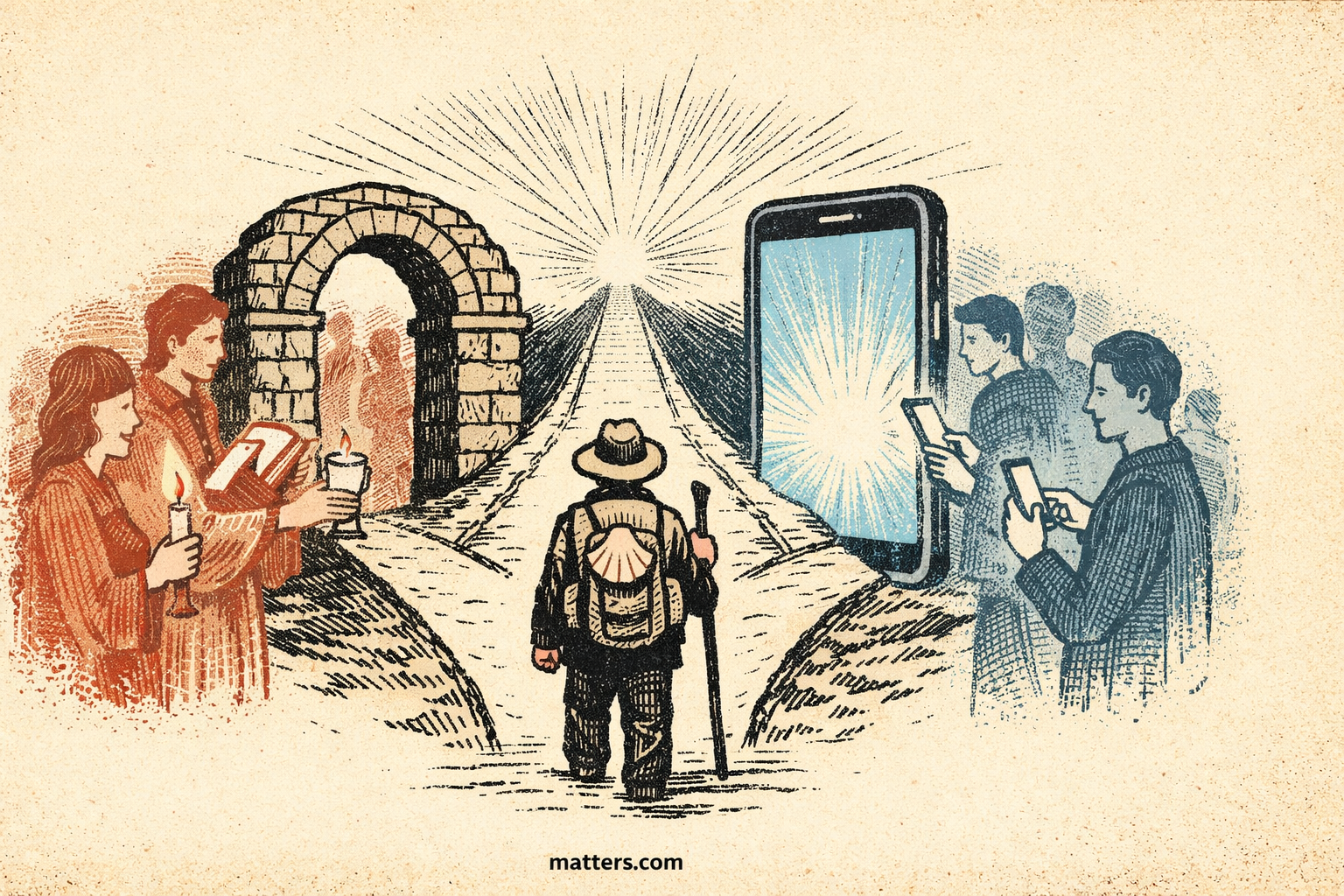
Communal rituals and oddball beliefs are doing the heavy lifting of belonging these days — from Hajj pilgrimages to viral solo‑traveller epiphanies — while online extremism gnaws at civic trust. It’s a weird, comforting mashup: people seeking unity in ancient rites and new metaphysics as social bonds both mend and fray.
Oneness
From Shahadah to social trust: how rituals and rhetoric shape unity
Coverage ranges from the unifying power of the
Shahadah as a communal anchor to Punjab’s cross‑border culture that knits communities through language and arts. [P]At the same time, a Los Angeles Times investigation links online radicalization to a deadly San Diego attack, showing how divisive ideologies can erode civic trust — read the guide on talking to kids about extremism
here. Cultural rituals like the Igu‑Aro Igbo festival and Genesis‑rooted marriage teachings are spotlighted as everyday practices that rebuild social solidarity
(Igu‑Aro).
Spirituality
Mass rituals and astrology: faiths old and new on the rise
Photos of orderly crowds at Mecca during Hajj underscore how large rituals sustain global faith communities
(Hajj), while essays note a surprising surge in both conventional religion and fringe supernatural beliefs amid tech and political shifts
(belief surge). [P]Meanwhile, astrology and tarot keep showing up as meaning‑making tools — from planetary rulership explainers to a May 24 tarot reading linking the Ace of Swords to practical guidance
(planets).
Metaphysics
Old forms, ghostly times: philosophy keeps asking the big how and why
Classical debates about forms and reality — think
Plato vs Aristotle — are back in the conversation, reminding readers that ancient metaphysics still shapes modern thought
(Plato v Aristotle). [P]Newer cultural flashes — TV finales like The Boroughs and a special issue on hauntology — push audiences to confront narrative time, presence, and spectral memory
(The Boroughs).
Philosophy of Spirituality
When myth and doubt reshape communal meaning
Writings on epistemology are probing how doubt and the limits of understanding change belief frameworks and spiritual practice
(epistemology). [P]At the same time, a revival of mythology in Indian board games shows how shared stories get repackaged to rebuild cultural narratives and communal meaning
(desi gaming).
Science and spirituality
Self‑help charts, wellbeing festivals and Faustian questions
Human Design and astrology‑based charts are moving from niche occult corners into mainstream personal‑development tools, blending ritual with psychological language
(Human Design). [P]The Festival of Wellbeing in Mumbai spotlights holistic health approaches, while renewed readings of Faust probe desire, meaning, and ethics at the intersection of science and spirit
(Festival).
Alternative spirituality
Wicca and the occult find fresh daylight
Wicca is getting clearer public profiles as a modern nature‑based religion, helping demystify practices for curious seekers
(What is Wicca). [P]Occult books like Mark Stavish’s Between the Gates are drawing both students and scholars, showing that esoteric paths are enjoying a polite, scholarly resurgence
(Stavish).
Energy (spirituality)
Travel tears and cultural resonance: India’s pull on the soul
A viral clip of an African solo traveller moved to tears after visiting India highlights how travel can catalyze spiritual growth and reveal layers of colonial history and resilience
(viral traveller). [P]The piece underscores how chaotic energy, embodied rituals, and lived history combine to reshape personal narratives and communal energy.
Spirituality and health
Tarot goes therapeutic: cards as tools for inner work
Weekly tarot readings are being framed not just as fortune‑telling but as tools for self‑reflection and emotional healing, dovetailing spiritual practice with mental health work
(tarot weekly). [P]The coverage suggests more people are adopting ritualized reflection to manage wellbeing in a noisy world.