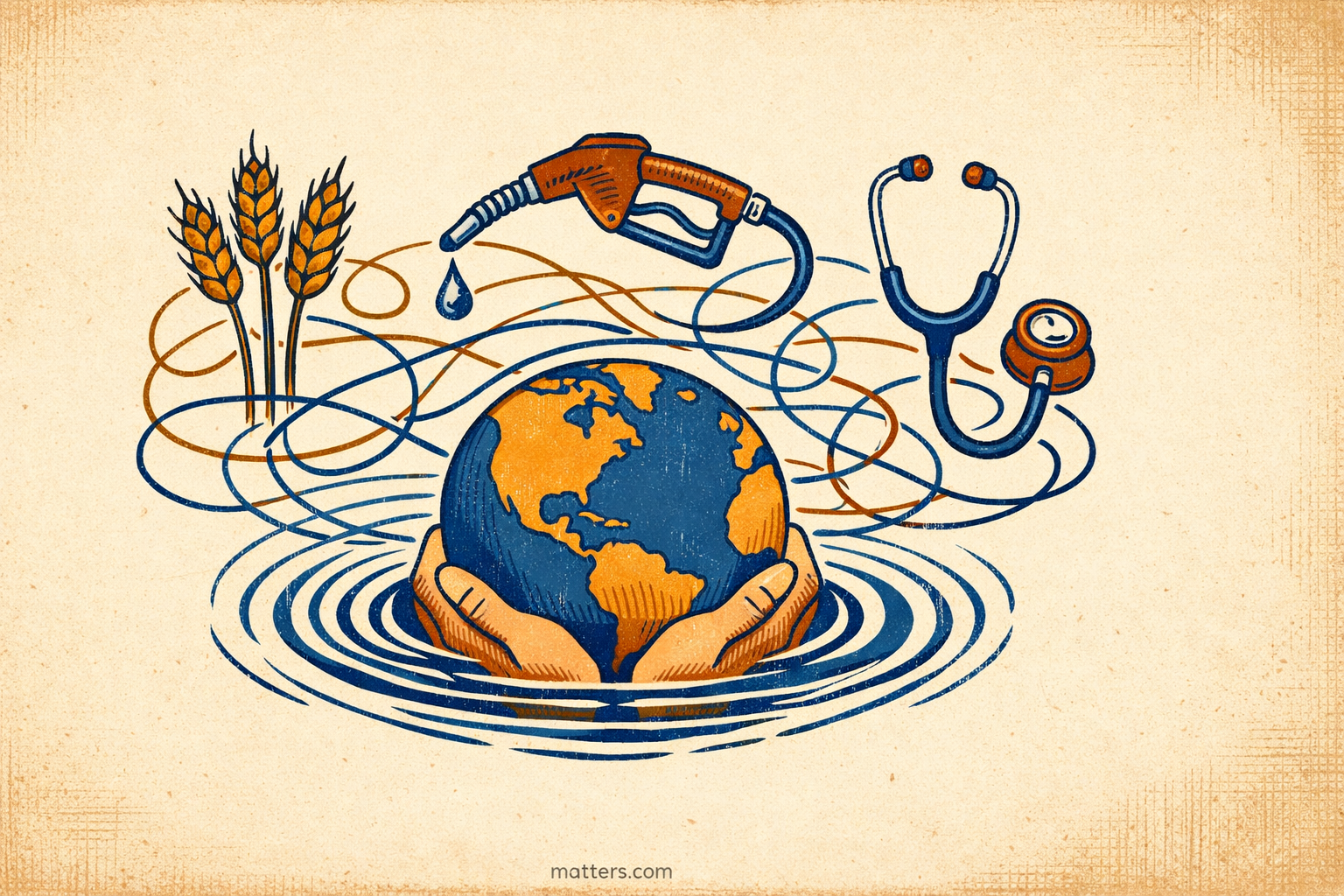
A few big themes today: the Ukraine war is rippling through food, fuel and diplomacy, while trauma and recovery stories — from veterans to migrant women — are driving fresh care conversations. Expect policy shocks, clever local fixes (yes, even urine), and more clinics experimenting with hybrid EMDR-style support.
Ukraine Crisis
Fighting spreads as global markets and food chains wobble
Frontline escalation reportedly included an Su-35 downing an F-16 near Nikolaev, a move that could shift military momentum and raise regional risk calculations (
combat report). [P]Energy markets warn of US–Iran war risks compounding summer oil shocks, while disrupted fertilizer exports are pushing farmers toward local fixes — even urine and manure — with real consequences for food prices (
oil alert,
fertilizer fallout). Diplomatic signals from China at the UN and Beijing–Washington discussions could recalibrate international pressure and aid flows tied to the conflict (
China urges civilian protections).
PTSD
Clinicians and communities spotlight recovery and systemic gaps
Dr. Gwen Adshead lays out how psychiatry can rebuild lives after violence, highlighting diagnosis and treatment pathways that matter for both victims and offenders (
Adshead interview). [P]Memorial Day pieces remind readers practical supports for veterans — jobs, advocacy and services — that blunt long-term PTSD harm, while deaths in custody underline how prisons can worsen trauma when care is poor (
veteran primer,
custody case).
Refugees
Everyday xenophobia shapes safety and healing for migrants
African migrant women in South Africa report daily xenophobia that limits access to work, safety and psychological support, a dynamic that deepens refugee trauma and complicates integration (
field account). [P]These social barriers mean trauma care — including scalable tools for displaced people — must reckon with stigma as much as symptoms.
Rape and sexual assault
Employers, law and safety collide in workplace assault cases
A tribunal found EasyJet justified in sacking a pilot arrested on rape charges (charges later dropped), spotlighting how employers balance safety policies, reputational risk and due process in sexual-assault allegations (
case ruling). [P]The decision raises thorny questions about workplace protections for colleagues and the rights of the accused while investigations proceed.
EMDR
Hybrid therapy for parents hints at scalable trauma care
A Bergen therapist’s mixed in-person and virtual programs for mothers illustrate growing hybrid psychotherapy models that could incorporate trauma-focused methods like EMDR to expand reach and convenience (
program profile). [P]These hybrid approaches matter for frontline needs — from soldiers to refugees — where flexible, guided audio or remote EMDR could bridge access gaps.
Addiction
Housing delays deepen risks for people with substance use disorders
Highland Council’s long waits to resolve homelessness cases show how gridlocked housing systems worsen addiction risk and entrench instability, undercutting recovery pathways (
report). [P]The story underscores that treatment must pair with stable shelter and social supports to prevent relapse.
Mental Health
Age shouldn’t be a shorthand for fitness or stigma
A new study argues age alone mustn’t determine driving fitness, urging nuanced cognitive screening to protect autonomy and mental wellbeing for older adults (
research summary). [P]The debate matters because blunt policies can deepen stigma and harm mental health, while smarter assessments preserve independence.