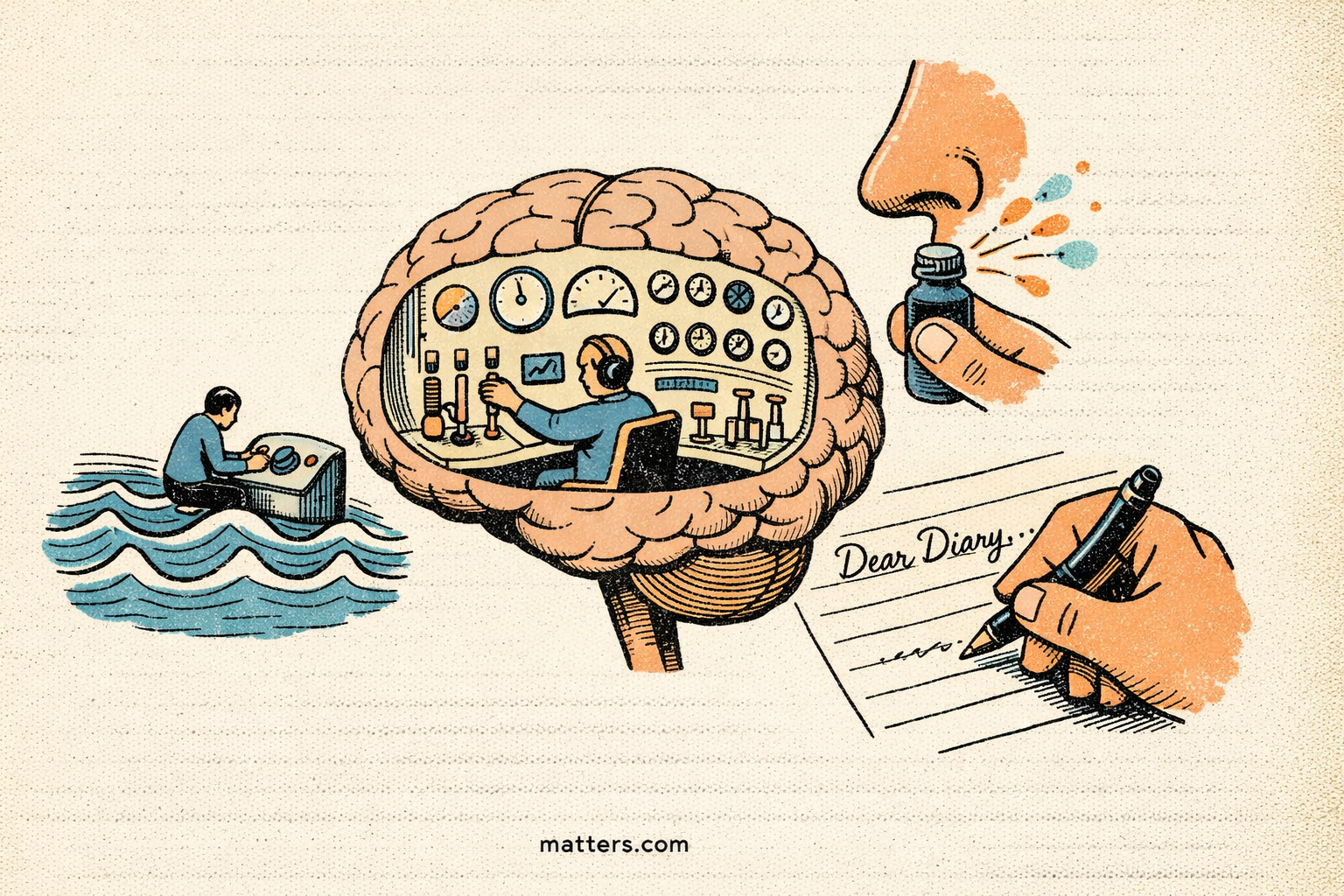
Brains are sending tiny, loud signals today — from a mathy new way to quiet seizures to appetite drugs changing perfume tastes and handwriting speed flagging dementia. It's a reminder that small shifts in body and behavior can point to deep nervous-system stories worth noticing (and sometimes laughing about).
Neuroscience
New control-theory seizure fix, GLP‑1 scent shifts, and handwriting as an early flag
A 2026 study used
fractional dynamical network stabilization to suppress seizures, proposing a novel control-theory route for epilepsy treatment that could reshape experimental and therapeutic strategies (
study). [P]Meanwhile, reports link GLP‑1 weight-loss drugs to surprising changes in smell and reward (think sudden perfume obsessions), hinting at sensory re-wiring with clinical implications (
coverage). Also, slower handwriting speed emerged as a simple, low-cost potential marker of early cognitive decline — a practical screening cue for clinicians and trauma-informed practitioners watching motor signs (
report).
Mental Health
From community lifts to hidden medical masks on mental distress
A charity pub walk raised over
£25,000 for suicide prevention, a tangible funding win for crisis lines and outreach (
story). [P]Tragedy in Sharjah — a mother and child death in a high-rise — spotlights acute filicide crises and gaps in rapid supports (
report). Elsewhere, childhood nutrition studies, expanded in-home counseling for medically fragile kids, and thyroid symptom warnings all reinforce that physical health, early experiences, and policy shape population mental health outcomes.
Psychology
Scrutinizing self‑help, coffee's brain perks, and late‑life divorce stress
A critique of manifestation coaching highlights weak evidence behind some popular self-help trends and urges scrutiny of belief-driven interventions (
analysis). [P]A multi-center study found
moderate coffee linked to lower dementia risk, nudging prevention conversations toward everyday habits (
study). Cultural shifts showing rising gray divorce and leadership movements led by women also underscore identity, resilience, and the psychological work required at life transitions.
Education
Policy ripples: exam leadership and classroom rights return
Nigeria named a 40‑year‑old as the new
JAMB Registrar, a leadership change with consequences for national exam administration and access (
report). [P]Karnataka reversed a 2022 ban on hijabs in schools, restoring classroom access for many girls and spotlighting how policy shifts affect belonging and learning (
coverage). A viral principal-swore-on-trip clip also raises fresh questions about oversight and emotional safety in school leadership (
video).
Parenting
Medical scares and parenting presence reshape family priorities
A child's viral illness alongside a pregnant parent's health crisis shows how sudden medical needs can recalibrate caregiving and emergency planning for families (
account). [P]Separately, a dad skipping his child's graduation for a fishing trip stirred debate about presence, priorities, and how parental choices shape attachment and expectations (
story).
Emotional intelligence
Manners, empathy, and emojis: emotional skills in flux
Concerns about kids not greeting adults spotlight changing social norms and the need to teach situational emotional skills, not just rules (
piece). [P]Leadership profiles emphasizing empathy and authenticity, plus ethics-style exam questions, reinforce that judgment and emotional reasoning are now core professional competencies (
profile). Meanwhile, the evolving role of
emoji cues shows how digital shorthand is reshaping how people read emotion online (
analysis).