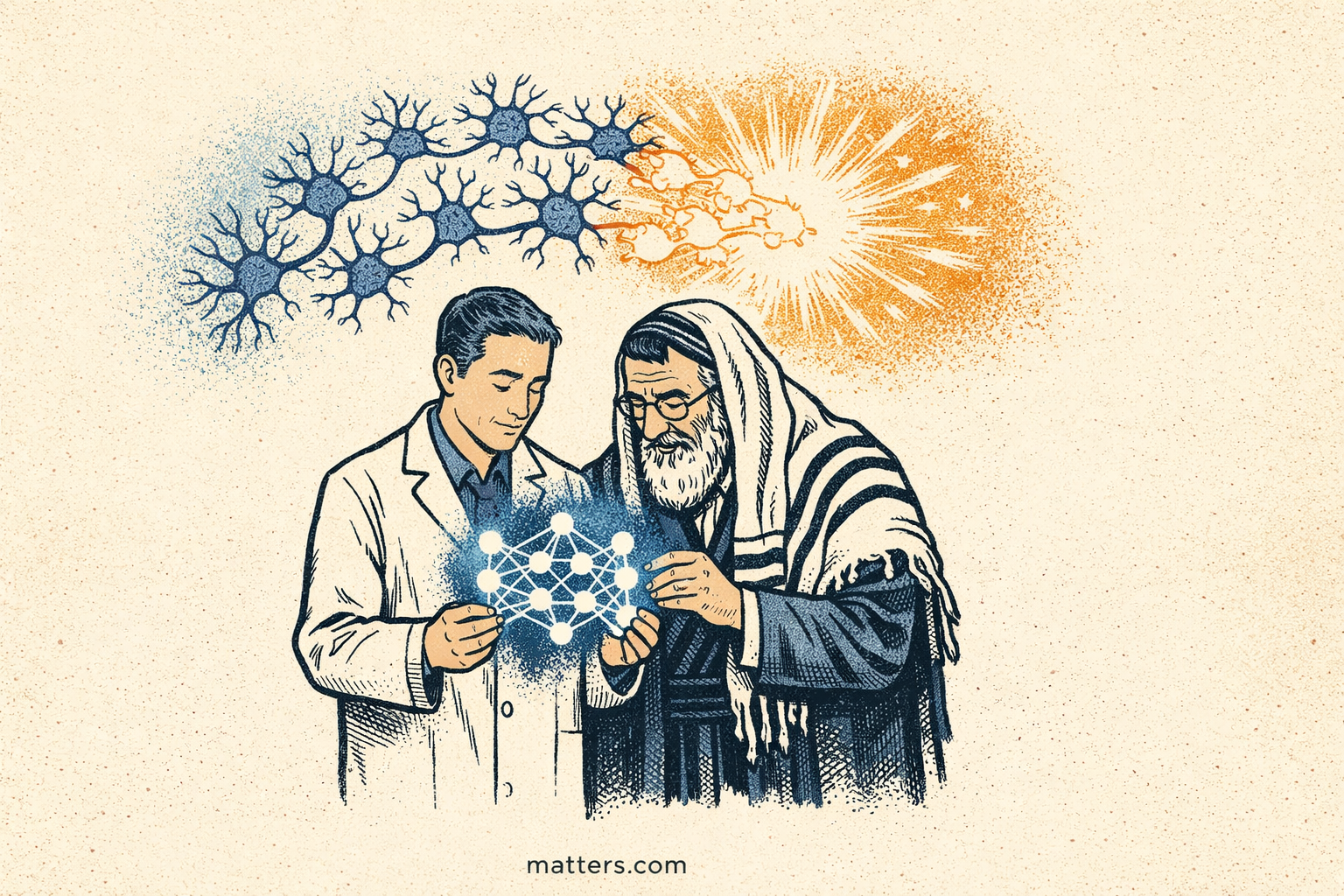
Big ideas kept showing up today: neuroscience and AI are poking at old metaphysical questions, pilgrimage and ritual are surging as communal technologies of meaning, and research on imagination and brain cells is nudging at how individuals join into collective unity. Expect a blend of lab coats, prayer shawls, and political speeches — all asking the same ancient question: how do separate minds become one?
Metaphysics
Neuroscience and theology reignite age‑old metaphysical puzzles
New writing links
neuroscience and AI to classical questions about subjectivity and mind, arguing modern tech revives ancient debates about what makes a self
(see essay). [P]A Catholic primer on the
transcendentals and pieces on Hindutva, ordinary‑language philosophy, and Heidegger in Korea show how religious, political, and linguistic frames continue to shape metaphysical answers
(transcendentals).
Philosophy of Spirituality
Rumi, fasting, and games remind philosophy that spirit lives in practice
Rumi’s lines on inner vision reinforce contemplative paths to beauty and perception, grounding philosophical spirituality in lived attention
(Rumi). [P]Side‑by‑side looks at intermittent vs. Ekadashi fasting and mythic themes in Indian board games show how bodily discipline and storyplay shape ethical imagination and spiritual habit
(fasting).
Science and spirituality
Near‑death claims, recovery science, and pilgrim treks collide
Neurosurgeon Eben Alexander’s near‑death narrative is back in the conversation, challenging materialist accounts of consciousness and stirring debate about evidence and meaning
(Alexander). [P]A new recovery book linking spirituality to Portugal‑style drug policy and coverage of the high‑altitude Amarnath Yatra show how science, public policy, and embodied pilgrimage all shape contemporary spiritual healing and belief
(recovery).
Spirituality
Mass pilgrimages, music, and ritual sermons: community on full display
More than
1.6 million pilgrims at Mina tested crowd rituals and logistics, while primers on Hajj rituals unpack the mechanics of communal devotion
(Mina). [P]From Sonny Rollins’ meditative jazz to rave trance and Sanskrit mantra music, stories show how music and embodied gatherings keep reinventing public spirituality across cultures
(Rollins).
Depersonalization
Medication safety notes remind clinicians of dissociative risks
A recent product label update for
citalopram emphasizes adverse‑reaction reporting and safety monitoring — significant because SSRIs can sometimes trigger or worsen depersonalization in vulnerable patients
(label). [P]The notice is a practical nudge for prescribers and patients to watch dissociative symptoms closely when starting or adjusting treatment.
Oneness
Imagination and politics: how shared images and rituals stitch communities
Brain research finding the same neurons active in imagination and real experience suggests a neural basis for shared visions that can foster collective
oneness (neuroscience). [P]At the same time, calls for Pan‑African unity, anti‑tribalism, and religious exhortations at Eid show political and ritual work aiming to translate imagined solidarity into concrete social cohesion
(Pan‑Africanism).