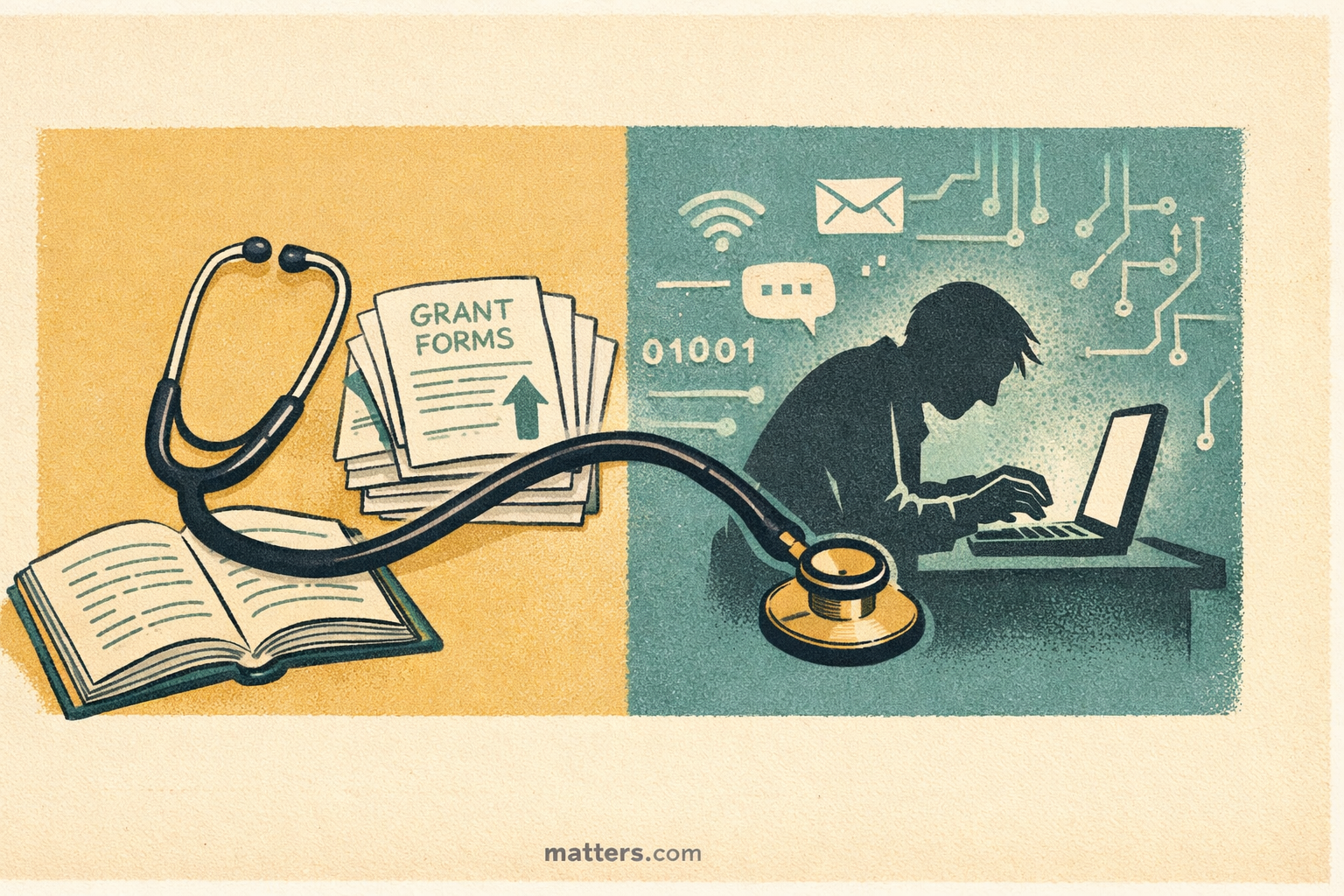
Today's pulse: policy and people are colliding — from a big federal push to expand workforce Pell grants to the quiet but serious harm of immigration enforcement and new tech reshaping emotional life. There’s both hope (more education access, novel neuro-tools) and heartbreak (trauma, parental strain), all begging for systems that heal bodies and brains, not just check boxes.
Education
Workforce Pell expands access as grading, standards, and trauma roil campuses
The Department of Education finalized rules to launch a
Workforce Pell program this summer, projected to reach nearly
200,000 more students in short-term training—a big shift for low‑income access to career pathways (
Inside Higher Ed). [P]At the same time, Harvard’s vote to cap flat A grades at 20% is sparking a national debate about assessment fairness and evidence (
Inside Higher Ed), while immigration enforcement in Minneapolis has left children traumatised and attendance down—an urgent reminder that policy choices outside classrooms shape student wellbeing (
KTAR).
Parenting
Celebrity sparks, postpartum honesty, and new supports for overwhelmed parents
Hayden Panettiere opened up about addiction and postpartum depression, saying she felt incapable of parenting—an important reminder of how perinatal mental health affects caregiving and attachment (
Page Six). [P]Celebrity controversies—from North West’s piercings to Kim Kardashian backlash—underscore how social media accelerates public judgment of parenting choices, while practical efforts like Pennsylvania’s expanded
free text support for new moms aim to meet families where they are with peer guidance (
Hollywood News Daily,
CBS News).
Mental Health
Detention suicides, teens favoring chatbots, and a new neurostimulation startup
An AP investigation finds detainees dying by suicide at escalating rates amid isolation and denied services—an unfolding public‑health emergency inside immigration detention that demands systemic mental‑health response (
TribLive/AP). [P]Teens turning to
chatbot companions and away from parents raises fresh developmental worries about emotional attunement (
Mashable), even as startups like Sychedelic pitch closed‑loop neurostimulation headphones as drug‑free tools for PTSD, sleep, and focus—technology that could augment care if clinical reliability and trauma‑informed design come first (
Benzinga).
Psychology
Censorship, strange crimes, and the psychology of aging at work
Artist
Ai Weiwei warns that censorship is intensifying—even in Western democracies—raising questions about how restricted expression shapes belief, dissent, and group behavior (
AOL). [P]Coverage of odd political thefts and reports about older Americans feeling forced to keep working spotlight psychological themes of motive, identity, and ageism that affect wellbeing and social roles as people age (
Herald Scotland,
KULR8).