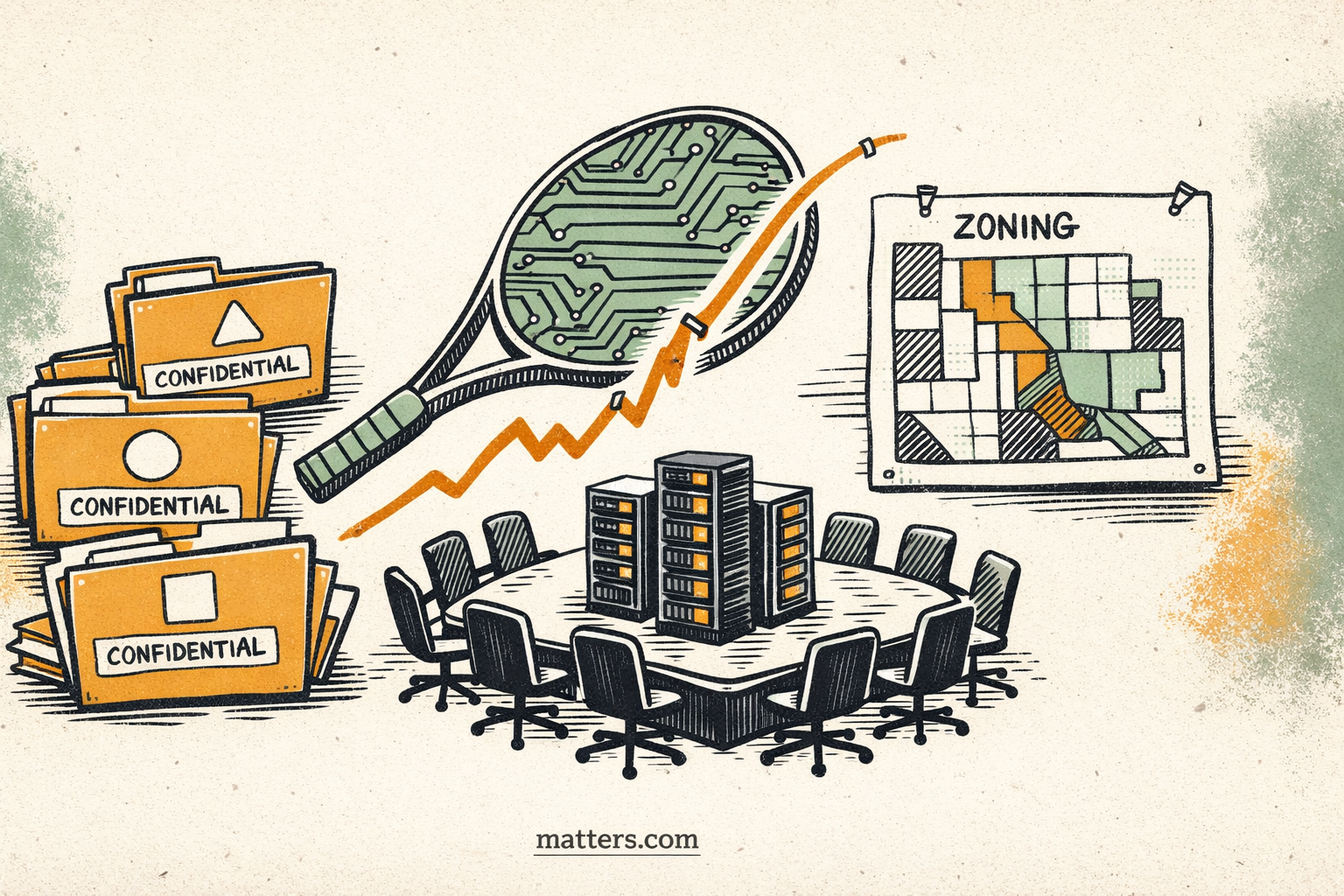
Big week: AI deals, policy and infrastructure are sprinting from boardrooms to backyards while geopolitics heats up in the Gulf and Roland‑Garros serves up chaos. News smells like equal parts venture memo, zoning meeting, and tennis match point—hold onto your calendar.
Artificial Intelligence
Anthropic's mega-raise, policy shakes, and an infrastructure scramble
The AI race hit hyperspeed as
Anthropic filed confidentially for a U.S. [P]IPO days after closing a $65B round that values it near $1T, while Apollo/Blackstone and SpaceX deals (and Oracle’s debt) underline how capital- and power-hungry compute has become; see the
Anthropic IPO report. Washington is scrambling too—Trump’s June 2 executive order and proposals to take government stakes in AI firms shift governance and stirred departures like
Sriram Krishnan, even as bipartisan ideas for public ownership and a federal frontier-model bill surface. Meanwhile, the physical costs of AI—water, power, noise, RAM and GPU shortages—are sparking local pushback and investor caution, from data-center zoning fights to warnings of a possible credit bust.
Iran
Missiles, drones and mounting economic pain from the Gulf conflict
The U.S.–Iran conflict intensified as Iran fired ballistic missiles and drones at Bahrain and Kuwait—intercepted by Gulf defenses—after U.S. strikes on surveillance sites, threatening a fragile ceasefire and prompting
U.S. retaliation. [P]The war is already squeezing global markets and households: soaring oil and jet‑fuel prices are adding to inflationary pressure, hitting farmers with fertilizer shortages and costing Americans an estimated $100B in fuel impacts.
Misinformation
From election claims to health myths—falsehoods are back in heavy rotation
Misinformation flared across politics and public health as unverified
election-fraud claims triggered DOJ probes, while false remedies for measles and conspiracy-tainted UFO disclosures spread alongside worrying manipulations around AI-fed social feeds. [P]Platforms and fact-checkers are losing the easy wins—storytelling and trust rebuilding look more important than ever.
Cybersecurity
Whistleblower sues IBM, alleging years-long hack cover-ups
A former IBM threat-intelligence VP claims the company concealed three foreign-government hacks between 2013–2019, filing a whistleblower lawsuit that could test disclosure norms for vendors serving government networks; see the
allegations. [P]If proven, the case would sharpen scrutiny on how large tech firms report breaches and protect national-security clients.
Tennis
Roland‑Garros turns into a Grand Slam of surprises
Roland‑Garros became tennis theater: 15 seeds fell early, Carlos Alcaraz and Jannik Sinner exited, and 19‑year Mirra Andreeva captured the women's title—while Alexander Zverev battled into the men's final amid a draw full of upsets; read the
Andreeva report. [P]The chaos is reshaping narratives: fresh stars, burned favorites, and a final weekend broadcasters hope sells clay‑court drama.
Disney
New SAG‑AFTRA deal and AI's uncertain role in Disney's turnaround
SAG‑AFTRA members approved a four‑year deal that raises minimums and sets rules on AI use in performances starting July 1—important for Disney and studios that rely on talent and IP; details reported
here. [P]Meanwhile, Disney shares lag despite bets that AI-driven streaming and parks recovery could be long-term catalysts, leaving investors split on whether tech will lift the stock.
Art
AI musicians, pop returns, and museums urged to get political
AI is unsettling art: faux musicians like the generated 'Sienna Rose' force new questions about authenticity even as big-name live events return—Ariana Grande kicked off her Eternal Sunshine Tour—and museums face criticism for not engaging more boldly with America's 250th; see the AI musician piece
here. [P]Pop culture is remixing nostalgia and debate—from Marvel reveals to Springsteen concerts—while artists and institutions wrestle with technology and civic responsibility.
Education
Curriculum fights, grade inflation, and surprising wins for vulnerable students
Schools are under pressure: Texas debates expanding Christian content and regents target LGBT/DEI programs, while an ACT report flags creeping
grade inflation that masks falling performance—big policy questions for workforce quality; more on grade trends
here. [P]Amid grim headlines, targeted wins show hope—Kentucky foster‑care students' college grad rates rose from 8% to 40% thanks to tuition waivers, a reminder that policy design still moves outcomes.
Baseball
Dodgers power, Guardians' breakthrough, and a salary‑cap storm brewing
On the diamond, the Dodgers dazzled with Shohei Ohtani’s two‑run homer and Freddie Freeman’s walk-off form while the Guardians snapped a long drought with Tanner Bibee's eight‑inning gem; see Dodgers' win
coverage. [P]Off the field, MLB's salary‑cap talks (owners proposing ~$245M vs. Dodgers spending $415M) and vocal political angles could usher in a major financial reshape if implemented.
Love
From Nolan epics to viral found‑letters and celebrity weddings
Romance made headlines in contrasting tones: Christopher Nolan’s epic The Odyssey promises grand love-and-war storytelling, while a viral TikTok of a granddaughter finding hidden love letters pulled millions to tears—proof that emotional storytelling still wins hearts; read the viral piece
here. [P]Meanwhile high‑profile wedding buzz for Taylor Swift and Travis Kelce and private family moments from stars remind everyone that love sells tickets and headlines.
Parenting
Tragedy, screen‑time experiments, and new treatment programs for moms
A shocking murder‑suicide in Doral left a family of four dead, spotlighting urgent needs in mental‑health and child‑welfare responses; reporting is here
(Doral). [P]At the lighter end, a mom’s month‑long iPad ban sparked conversation after notable behavior gains in her toddler, and Dartmouth‑Hitchcock launched a $900K inpatient program to treat mothers with substance‑use disorders—practical policy steps that could change outcomes.
Ufo
Official channels open while sightings and cinema keep public curiosity alive
Government channels are formalizing reporting with voluntary lines at the All‑domain Anomaly Resolution Office, even as local police sightings—like a color‑changing hula‑hoop craft in Minnesota—trigger FBI interest; see the local sighting report
here. [P]Hollywood and faith institutions stoke the conversation—Spielberg says UFO testimony inspired his new film—keeping public scrutiny active despite no confirmed extraterrestrial evidence.
dehumanization
Papal warning frames AI as a threat to worker dignity
A new papal encyclical warns that workplace AI can strip human dignity and has already helped a U.S. engineer secure a religious exemption, spotlighting dehumanization as a moral front in tech debates. [P]The move adds a spiritual and ethical layer to conversations about automation and labor rights.
E-commerce
Tariffs, supply‑chain rules and Prime Day set a tricky summer for sellers
A 25% U.S. tariff on imported steel racks (effective June 8) threatens fulfillment‑center costs just ahead of Prime Day, while EU talks to cap single‑country sourcing at 40% could reshape global sourcing strategies; read the tariff note
here. [P]Consumer cutbacks amid rising fuel costs and new digital‑payments moves (Meta paying creators in USDC) mean merchants must juggle input-cost shocks and shifting checkout behavior.
Dogs
Scams, safety scares, and service‑dog tributes
Pet lovers faced a cruel con: one buyer lost over $20,000 to a dog‑purchase scam that wiped out retirement savings, a reminder scammers exploit emotions; coverage here
(scam). [P]Elsewhere, a service dog stood by a fallen firefighter in a moving final moment, while spiking bear encounters in Pennsylvania are raising fresh safety warnings for dog owners.