Learning losses, kids' mental strain, and parenting in an AI world
Digest Newsletter
·
Jun 8, 2026
Learning losses, kids' mental strain, and parenting in an AI world
Welcome to Matters.com™ beta, where the world shows what matters. More information? Click here.
Schooling, screens, and the rise of Helpful-but-Hyper AI are colliding this week — and kids are at the blurry center. From large post‑COVID learning drops to stretched mental‑health systems and parents leaning on automation, the headlines all point to a major nationwide recalibration of childhood, care, and learning.
Education
Massive learning dips, AI upends what's taught and why
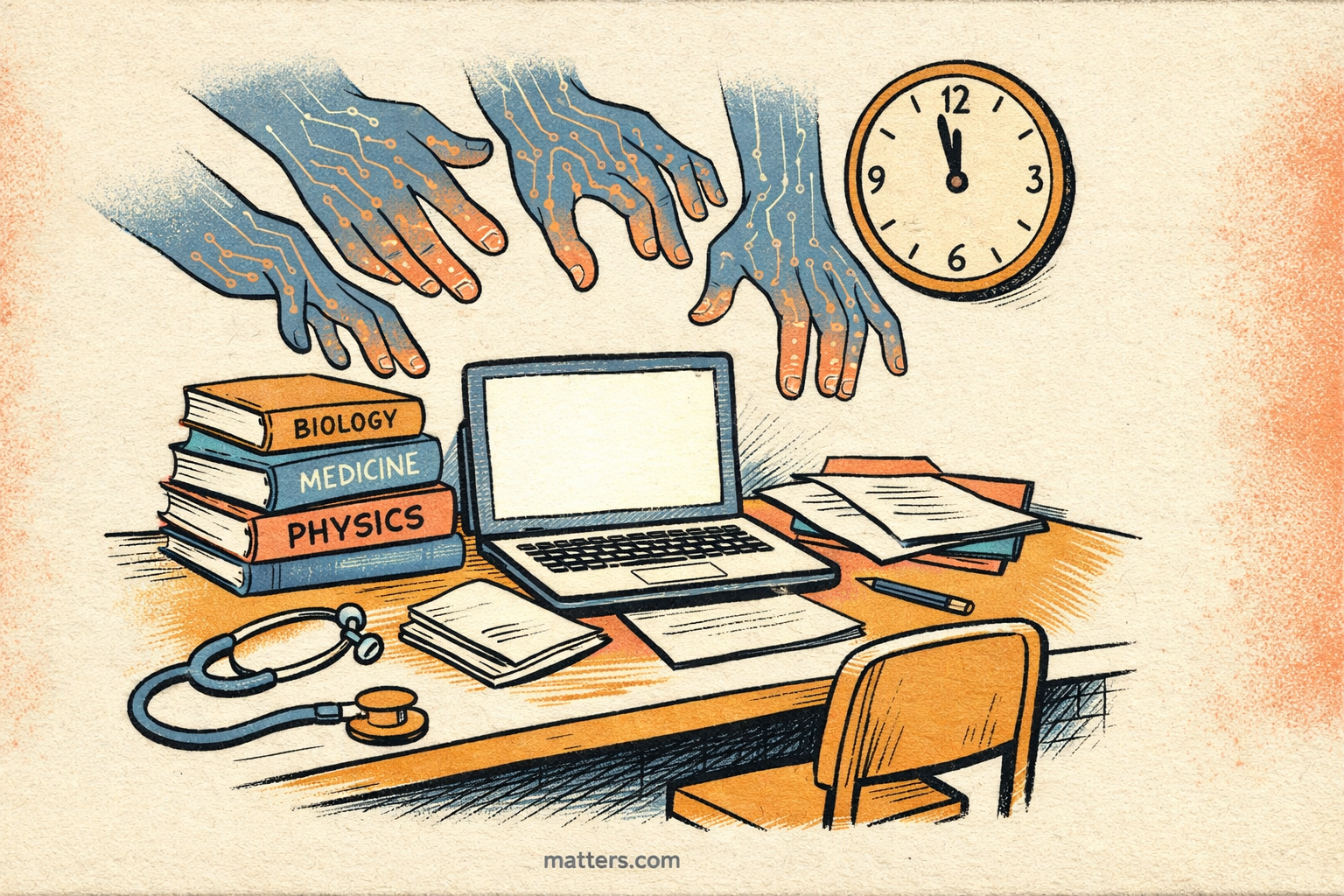
New data show reading and math proficiency fell in 47 states since COVID, according to the 2026 KIDS COUNT report, a stark signal that recovery strategies must be systemic, not just a few extra worksheets. [P]At the same time an AI‑generated proof solving an 80‑year math problem is forcing schools to rethink assessment and the value of human problem‑solving amid worries about a “cognitive surrender.” Policymakers are juggling responses — from expanding vocational Pell grants and $365M corporate pledges to tighter federal pressure on DEI and credential fraud — all reshaping who gets supported and how.
Mental Health
Kids, screens, and a fraying safety net
Child wellbeing is sliding, echoed in the Kids Count findings, while a Pennsylvania report warns social media pressures are fueling teen harm and addictive patterns that schools and families must confront differently. [P]At the care level, Medicaid provider cuts and school counseling losses risk leaving kids and families without support even as nutritional and microbiome research — like a new probiotic‑anxiety link and omega‑3 meta‑analyses — point to scalable, nonpharmacologic tools worth integrating into holistic treatment plans.
Parenting
Parents squeezed — politics, burnout, and little helpers
Child care has vaulted into the political spotlight as cities from New York to San Francisco promise fixes for a system that’s become unbearably costly and complex (NYT), while foster‑home shortages in Ohio underscore gaps in family safety nets. [P]Parents are also quietly turning to AI to reclaim time — one working mom reports up to 10 hours a week — but experts warn automation won’t replace community, boundaries, or support systems needed to prevent the “quiet cracking” of caregiver burnout.