New treatments, data gaps, and schools under pressure — what to know today
Digest Newsletter
·
Jun 17, 2026
New treatments, data gaps, and schools under pressure — what to know today
Welcome to Matters.com™ beta, where the world shows what matters. More information? Click here.
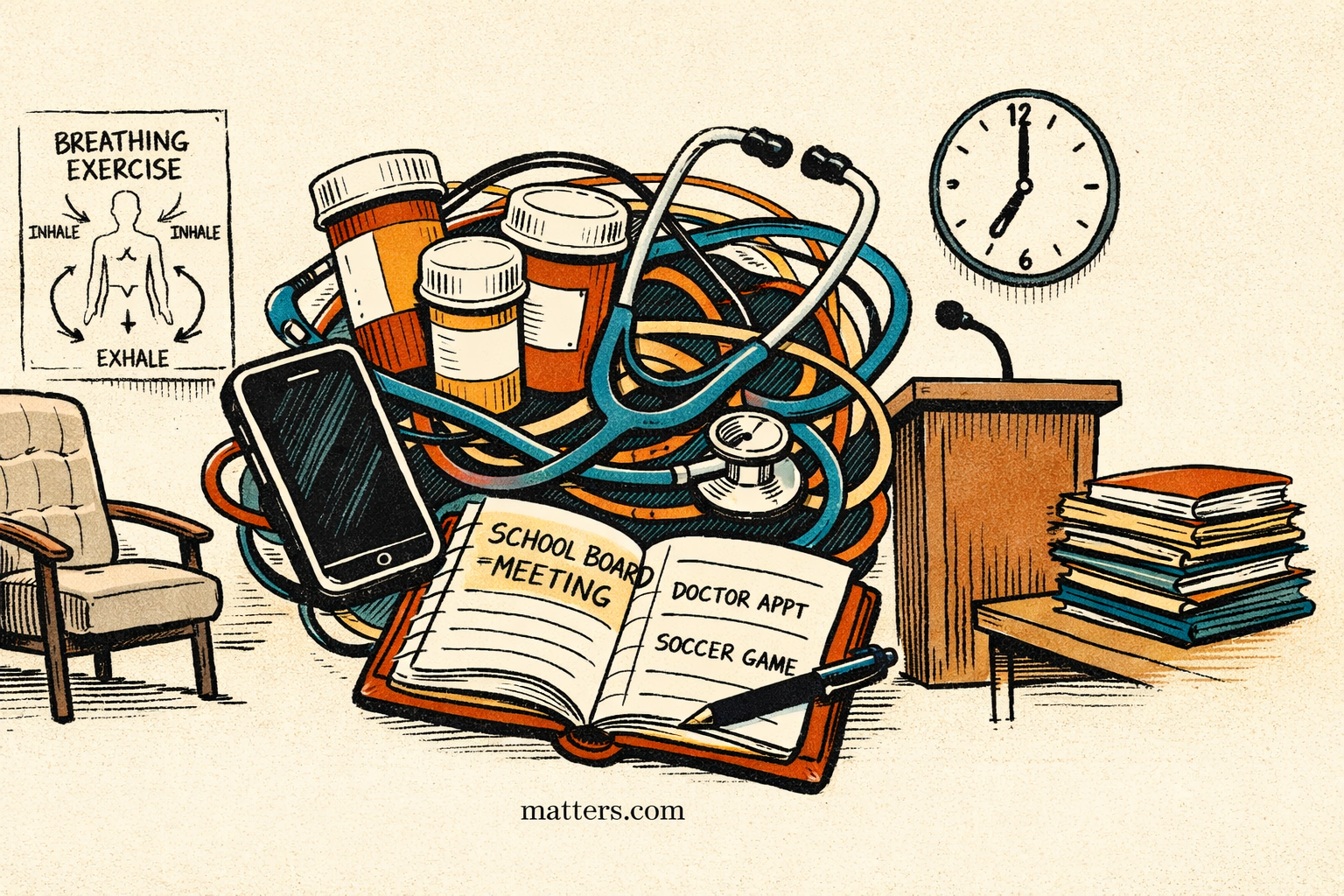
Science and policy both decided to show up today: breakthroughs nudging mental-health care in new directions, courts and capitols reshaping how schools teach and who gets help, and parents juggling safety, screens, and time. It's a strange, surprising mix — like a therapy session that starts with breathwork and ends with a school board meeting.
Mental Health
From GLP‑1 drugs to climate anxiety, mental‑health headlines keep expanding
A new study suggests GLP-1 receptor agonists like Ozempic may lower violent behavior risk, hinting these drugs' effects could reach beyond metabolism (study). [P]Meanwhile, controversies and access problems are piling up: ICE's relaxed rules allow more AI contact with detainees (report), a high-profile suicide study on trans youth was debunked raising policy questions (coverage), and clinicians are exploring everything from a nonhormone menopause drug to psilocybin-plus-mindfulness trials as new clinical pathways (menopause, psilocybin trial).
Education
Courts, funding, and AI are forcing colleges and classrooms to rethink priorities
The federal court struck down the Stop WOKE Act, a win for academic freedom that reshapes free‑speech limits on Florida campuses (ruling), even as MIT moves to shore up Pentagon ties after political pressure over its perceived ideology (MIT story). [P]Policy and money shifts matter locally too: California approved about $350M more for the UC system (budget), while student‑loan caps and Medicaid work rules are forcing schools and students to navigate new tradeoffs tied to workforce and healthcare eligibility (loan caps, Medicaid rule).
Parenting
Parents balance safety, screens, and shrinking time with kids
A Pew survey finds 60% of full‑time working parents say they spend too little time with their children, crystallizing a national work–life pinch that affects family wellbeing (survey). [P]Heartbreaking safety and culture stories are also in view: Emilie Kiser spoke publicly about losing her 3‑year‑old to drowning, reigniting calls for water safety (interview), while the UK moves toward banning social platforms for under‑16s as governments and parents argue about how screens shape childhood (policy debate).