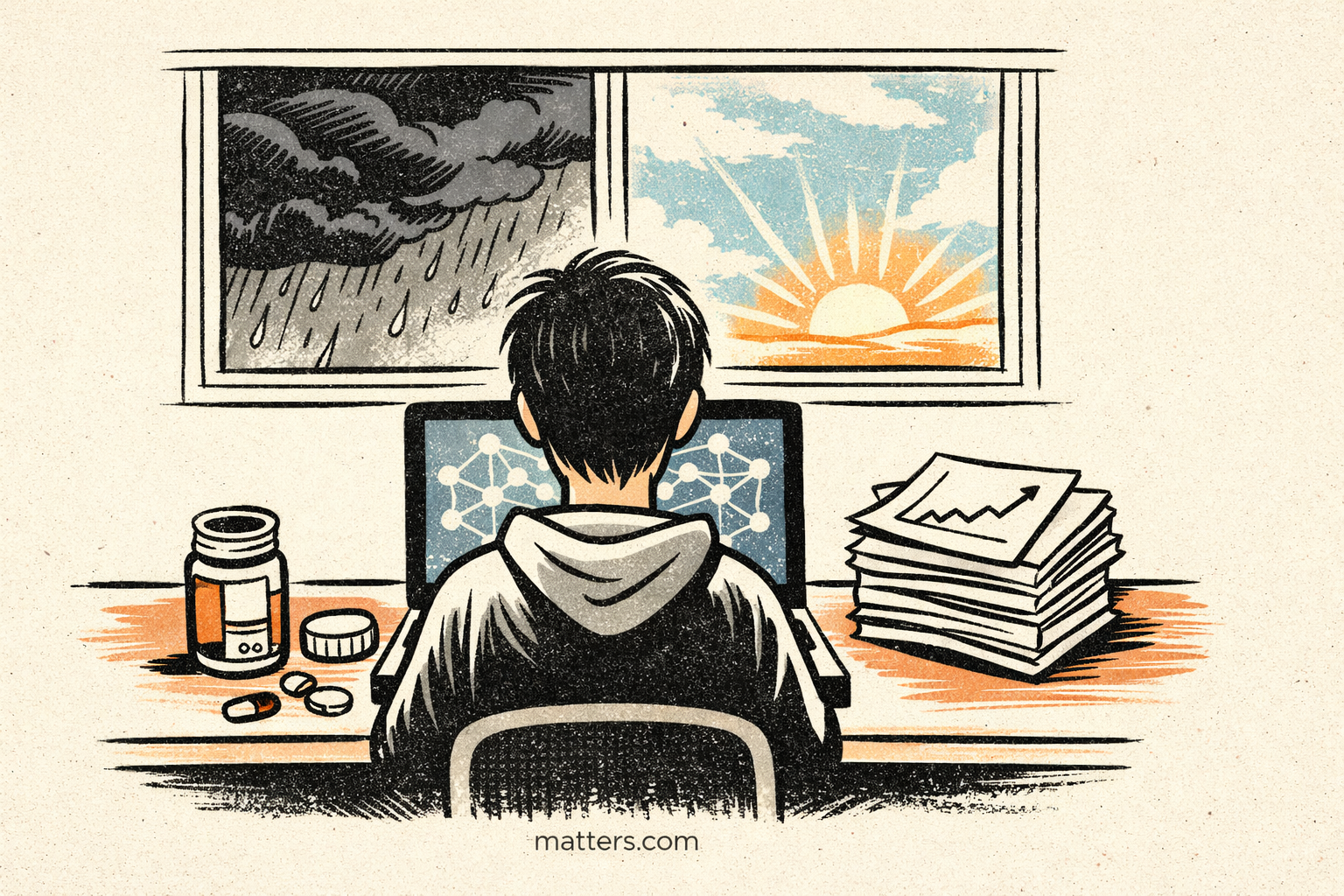
Today’s headlines swing between tough grief and surprising hope — a youth mental-health emergency collides with tech and policy experiments that could change how bodies and brains heal. Expect stories about community care, brain–computer breakthroughs, and the messy, human side of systems trying to catch up.
Mental Health
Youth anxiety surge, policy fights, and $700M for crisis care
A JAMA-linked report shows childhood anxiety-related doctor visits rose more than 250% over a decade, prompting calls for community “well‑being infrastructure” beyond pills (
fulcrum). [P]Federal moves matter: HHS Secretary RFK Jr. announced a >$700M package for suicide hotlines and clinics while debates over social media, cannabis markets, GLP‑1s, and deinstitutionalization highlight policy tensions that directly shape access to care (
FierceHealthcare,
EurekAlert).
Neuroscience
Brain tech and vaccines push the frontier of recovery
A UC Davis brain–computer interface helped paralyzed ALS patient Casey Harrell return to full‑time work, underscoring practical gains in communication and autonomy (
MarySue). [P]Meanwhile, an mRNA vaccine cut neuroblastoma tumors by ~70% in preclinical tests and new work on spiral
neural oscillations and lifelong cognitive plasticity is reframing how repair and resilience look across the lifespan (
NeuroscienceNews,
SciTechDaily).
Psychology
Design, doomscrolling, and the hidden senses of mind
Behavioral design in apps — from casino push notifications to doomscrolling habits — is reshaping modern distress and attention, with ~40% of people now avoiding news to protect their mental health (
AboutChromebooks,
MedicalDaily). [P]New work also reminds that primal systems (olfaction, time perception, attachment) and even market emotions drive behavior — useful windows for trauma‑informed practice and pacing regulation (
Knowable).
Parenting
Parental rights, tech rules, and a very public Xbox tantrum
Courts are empowering parents: an appeals ruling lets Ohio require parental consent for under‑16 social accounts, shifting digital parenting norms (
Dispatch). [P]Domestic debates span from corporal punishment viral videos to new supports for fathers (Nurturing Fathers program) and the perennial summer childcare squeeze — all pressuring families to balance safety, autonomy, and recovery (
MarySue,
BostonGlobe).
Education
AI on campus, vaccine gaps, and new graduation paths
Universities are adopting tools like Gemini and NotebookLM while tackling data security and AI training — a tech wave that could reshape pedagogy and student support (
Pulse2). [P]Meanwhile, New York’s diploma changes, measles immunity alerts for 200+ Philadelphia schools, and expanded cyber and applied-degree programs show education is juggling innovation with public‑health and credentialing debates (
Governing,
NYPost).
Chronic illness
Policy gaps and cultural stories shape long‑term health
HHS Secretary RFK Jr. pointed to falling fitness and rising screen time as markers of a national chronic‑illness trend, while Medicaid policy battles and underinvestment in pediatric digital health warn of widening disparities (
Men's Journal,
Medscape). [P]Cultural representation is shifting too: a new comedy series 'Crohnie' brings Crohn’s into mainstream conversation, using storytelling to reduce stigma and spark care conversations (
Deadline).
Trauma
Institutions, disasters, and admissions of harm
A UK parliamentary probe and Illinois lawsuits expose decades of organized child sexual abuse and foster‑care failures, shining light on institutional betrayals that compound survivor trauma (
BizPacReview,
NBCChicago). [P]Wildfire survivors and the Archbishop of Canterbury’s apology over forced adoptions remind that legal and moral reckonings are part of recovery and reparative care (
Whittier,
Yahoo).
Trauma-informed care
Big budget for newcomer students — trauma at the center
California is investing $350M to support roughly 237,000 newcomer students, explicitly funding trauma‑informed services and school supports for children arriving with displacement‑related harm (
CaliforniaGlobe). [P]That scale of funding creates an opportunity to build whole‑child, nervous‑system‑aware programs that connect safety, learning, and community healing.
Emotional intelligence
AI shifts roles — human emotional work becomes the premium skill
AI automation is pushing advisors and agents to emphasize empathy and trust: family‑office and real‑estate pros are pivoting from data tasks to relational advising, spotlighting emotional intelligence as competitive advantage (
Forbes,
HousingWire). [P]In markets, algorithmic trading may amplify emotional cycles, reminding practitioners that reading affect and managing reactivity remains central to leadership and therapy (
GlobalBanking).
Emotional pain
Breathwork, therapy, and celebrity vulnerability
Drummer Travis Barker credited breathwork, therapy, and close supports for helping process trauma from his 2008 plane crash, offering a public example of somatic tools aiding long‑term emotional recovery (
Yahoo). [P]His story is a gentle reminder that accessible, body‑based practices can complement talk therapy in repairing nervous‑system wounds.