AI talent poaching and SZA's stand — tech, jobs, and schools on edge
Digest Newsletter
·
Jun 22, 2026
AI talent poaching and SZA's stand — tech, jobs, and schools on edge
Welcome to Matters.com™ beta. A new social platform to share what matters. More information? Click here.
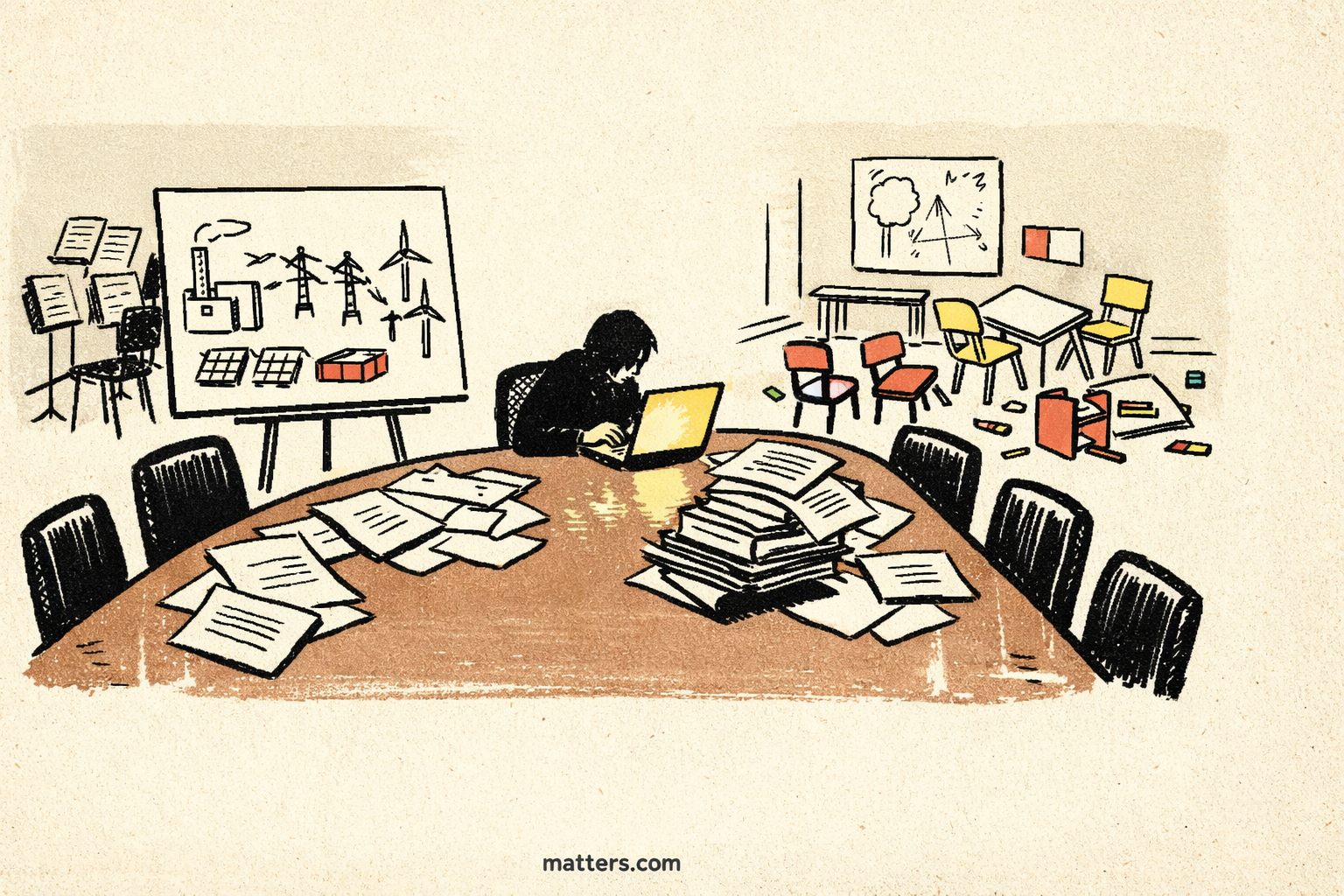
Big weeks: AI firms are snatching top researchers and bumping into export controls while artists and schools push back — sometimes loudly. The story now stretches from boardrooms and energy grids to rehearsal halls and kindergarten classrooms, with equal parts awe, panic, and occasional righteous indignation.
Artificial Intelligence
Talent moves, export controls, and the energy squeeze remaking AI
The AI world is in musical chairs: top researchers are defecting — notably John Jumper leaving DeepMind for Anthropic — even as the US forced Anthropic to disable its most capable models under export-control directives, spotlighting regulation as a real choke point for innovation (Jumper joins Anthropic, export control shutdown). [P]Meanwhile, the hardware and energy stories are converging — Broadcom's $10.8B AI chip revenues and moves toward microreactors and grid fast-tracks show AI is now as much an electricity and chip game as a software one (Broadcom AI revenue).
Music
SZA slams AI training her music without consent
SZA exploded over reports that 238 of her tracks — including unreleased songs — trained AI tools, calling the practice “disgusting” and thrusting artist consent into the spotlight (SZA response, SZA vs Suno). [P]The dust-up crystallizes a wider industry fight over rights and revenue just as orchestras and festivals try creative programming to win back audiences — art and law are tangoing, and neither wants to step on the other's toes.
Education
Schools split: AI as an access lifeline and a screen-time headache
AI is both a classroom equalizer and a policy headache: Seoul rolled out AI college-guidance for migrant students to boost access, while India’s elite universities risk widening a digital divide unless resources are shared (Seoul AI guidance, AI divide in India). [P]States are also stepping in — Ohio lawmakers are rethinking screen time and AI-use rules for K–12, showing education leaders are juggling opportunity, equity, and parental alarm.
Mental Health
Chatbot limits, teen distress, and community care under strain
Tech meets therapy awkwardly: Google restricted Gemini from serving as a teen companion amid concerns about emotional reliance on bots, a timely move as college student distress remains high and school counseling gaps persist (Gemini teen limits, college distress report). [P]Add policy strain — advocates warn community-based services for people with developmental disabilities may be eroding — and the safety net feels thinner just when demand surges.
Robots
Robots take jobs, learn language, and surprise their designers
Automation hit a raw nerve as reports say General Motors replaced 1,000 workers with 50 robots at a Detroit plant, a stark reminder robots can be efficient—and socially awkward employers (GM automation report). [P]At the same time, Amazon debuted a warehouse robot that follows plain-English worker commands and safety researchers found AI robots can refuse obvious harm yet behave unpredictably in ambiguous cases — progress with a side of “hold my screwdriver.” (Amazon's language-savvy robot, robot safety study).