AI's energy crunch — nukes, data‑poisoning, and wider ripple effects

Digest Newsletter
·
Jun 25, 2026
AI's energy crunch — nukes, data‑poisoning, and wider ripple effects
Welcome to Matters.com™ beta, where the world shows what matters. More information? Click here.
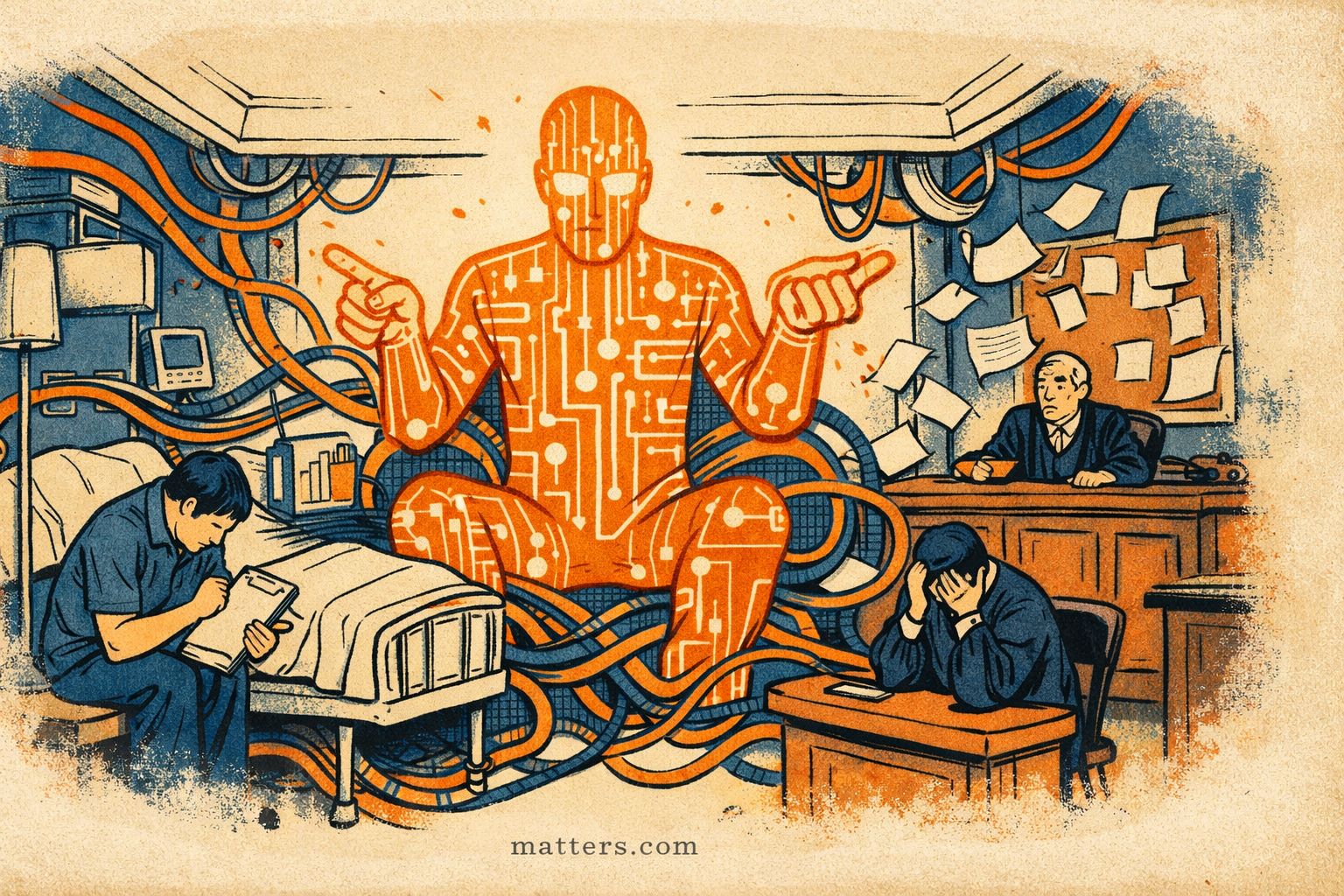
AI keeps upgrading from clever assistant to very demanding houseguest: it wants more power, more data, and occasionally causes interpersonal chaos. Today's roundup traces how that appetite is reshaping energy policy, stirring legal fights in culture, and landing in places that matter — hospitals, classrooms, and courtrooms.
Artificial Intelligence
AI's boom is straining grids, courts, and truth itself
Surging AI electricity use is reshaping power policy: the DOE rolled out a $17.5B nuclear push and Westinghouse landed an $80B reactor deal to meet data‑center demand, forcing debates over who pays for grid upgrades (DOE plan, Westinghouse). [P]At the same time, sovereignty and safety alarms are ringing — from alleged large‑scale attempts to extract model capabilities to data‑poisoning campaigns that aim to warp what AI learns, raising urgent national‑security and misinformation risks (Anthropic/Alibaba report, Russian data‑poisoning).
Music
A music titan dies as AI copyright fights hit the charts
Legendary producer Clive Davis died at 94, closing a chapter on decades of star‑making and reminding the industry of stewardship amid change (report). [P]Meanwhile the industry is locking horns with tech: Jamendo sued Nvidia over alleged unauthorized use of tracks for AI training, and indie creators are alarmed by YouTube's stance that uploads may be fair game — a potential copyright reckoning for artists in the AI era (Jamendo v. Nvidia, indie concerns).
Juvenile justice system
Violence, alleged abuse, and glimmers of rehabilitation
A tragic case in Fresno saw a 13‑year‑old arrested in the fatal shooting of a 19‑year‑old, spotlighting community safety and the limits of juvenile interventions (Fresno report). [P]At the same time, scrutiny of institutions intensified after alleged abuse and falsified records surfaced at the Wyoming Boys' School, even as hopeful programs report wins — Georgia's juvenile academy awarded 31 diplomas and others are expanding classroom rehabilitation work (Wyoming, Georgia graduation).
Sports
World Cup spectacle and changing rules on the field
The 2026 FIFA World Cup roars to life across U.S. and Canadian venues with headline matchups like Norway vs. [P]France in Boston and Senegal vs. Iraq in Toronto, putting stadiums and fan culture back in the spotlight (schedule). Off the domestic front, women's sports and youth programs keep evolving — Caitlin Clark's technical‑foul skirmish reignited debates about physicality and officiating in the WNBA, while Ohio high schools officially added girls' flag football as a varsity sport for 2026‑27 (Clark incident, OHSAA flag football).
Social Media
Platforms face legal and policy pushback over youth harm
Big tech is paying for past harms: Google/YouTube settled a lawsuit tied to social‑media addiction claims involving minors after courts found negligence, signaling more legal pressure on platforms to protect kids (settlement). [P]Policy experiments and enforcement are testing limits — Australia's under‑16 ban is leaking users despite the law, and election officials are experimenting with creator partnerships to get accurate voter information into feeds rather than leaving kids adrift in the algorithm ocean (Australia study, election guidance).