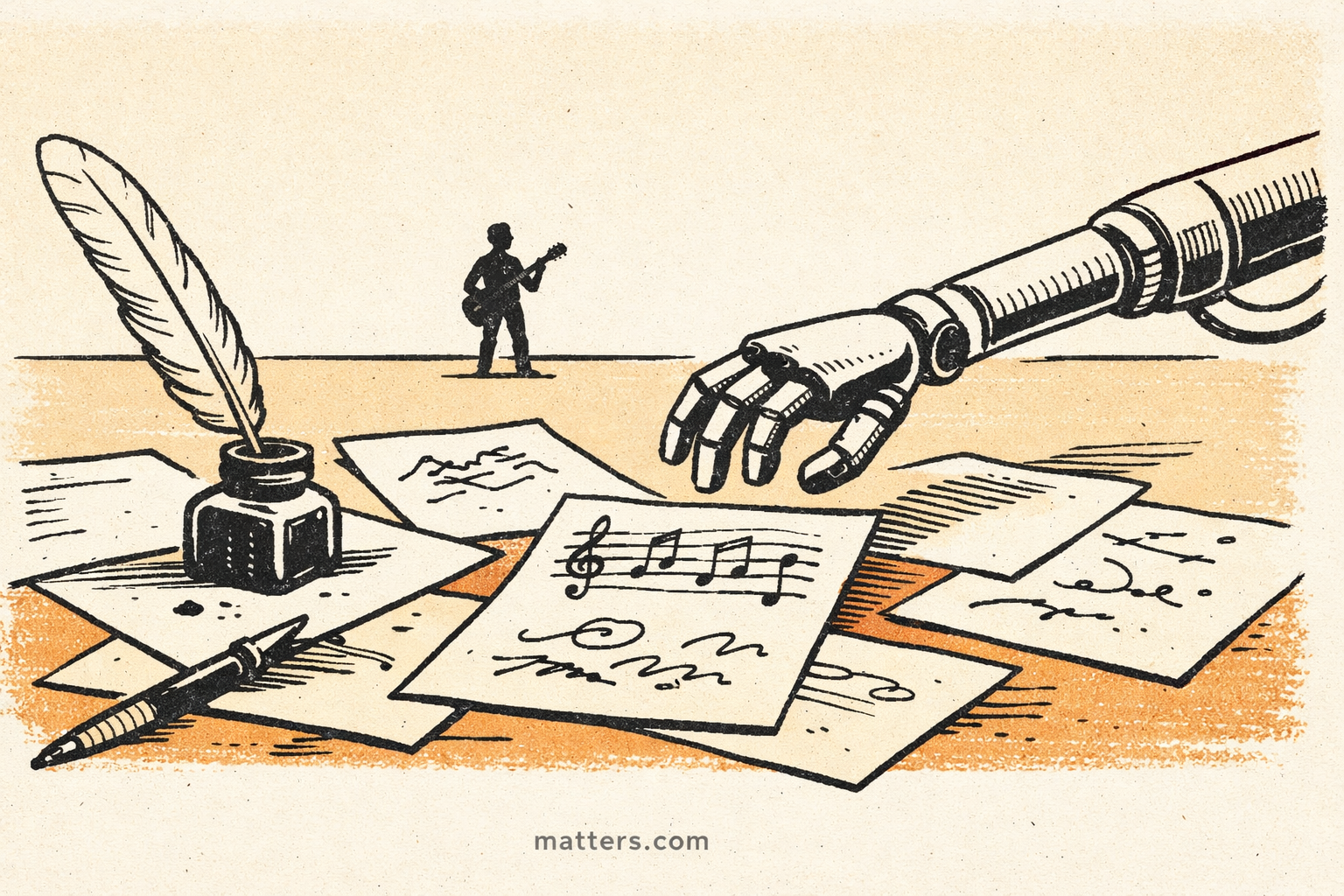
Today’s headlines feel like a neighborhood meeting where everyone brought receipts: creators and publishers are suing and singing out against AI’s appetite for content, while communities keep fighting to preserve culture, health, and fairness. Expect legal sparks, creative resilience, and a dash of human stubbornness—always entertaining, occasionally noble.
Music
Artists push back as AI scrapes songs while live scenes and genres thrive
Australian stars — led vocally by
Paul Dempsey and others — are protesting the unauthorized scraping of songs for AI training, escalating a global fight over artist rights and compensation (
report). [P]Meanwhile, U.S. scenes are doubling down on what makes music human: Nashville artists are preserving
soul music, jazz acts like Galactic and Camila Meza lit up Jazz Fest, and Austin venues remind listeners why live shows matter (
soul,
jazz).
Sports
From transfer rules to climate risks: sport faces legal, health, and growth tests
A proposed NCAA transfer rule raises fairness alarms by giving programs leverage over players’ mobility and market value (
NCAA analysis). [P]At the same time, legalized betting correlates with rising
gambling disorder diagnoses, Big Ten women’s sports are booming in visibility, and climate-driven heat is rewriting how athletes and fans safely compete—plus Kemba Walker opened a youth sports facility to channel this momentum locally (
gambling,
Big Ten,
Kemba).
Newspaper
Nearly 400 publishers sue AI; local papers and cross-border readership make news
A coalition of nearly
400 local and regional publishers sued OpenAI and Microsoft for allegedly using copyrighted reporting in ChatGPT and Copilot, signaling a major legal test for how news is trained into AI (
lawsuit). [P]Amid that fight, Maine’s first LGBTQ+ paper, Mainely Gay, marked 50 years of documenting community history, while North Korea’s Rodong Sinmun is gaining digital readers in the South—odd bedfellows showing how distribution and trust in news are changing (
Mainely Gay).
Pass/fail
Court rulings and policy gaps change who passes, who fails on safety and care
The Supreme Court held that federal EPA approval can preempt state failure-to-warn lawsuits in pesticide cases, tightening liability avenues under
FIFRA and shifting risk to state plaintiffs (
decision). [P]Public-health and accountability gaps persist: guideline-directed heart-failure meds are underused in low-income clinics, and Congresswoman Tlaib proposed stiffer bank-failure accountability—both moves that could change institutional pass/fail outcomes in care and finance (
heart care,
banking).
Family
Family systems strained by false reports, policy shifts, and new safety nets
A false anonymous tip triggered a Child Protective Services probe involving Pete Buttigieg, spotlighting how CPS processes can fracture families even when allegations don’t stick (
case). [P]Policy pressures keep mounting: new Title X review requirements threaten family-planning access, while wins like a freelancer discovering eligibility for paid parental leave show pockets of financial relief for new parents (
Title X,
parental leave).
Book
Libraries get new protections; children's books and sales get a boost
Massachusetts lawmakers moved to strengthen librarians’ ability to fight book bans, giving school and public collections more protection in the culture wars (
Massachusetts bill). [P]At the same time, new children’s books marking America’s 250th anniversary and Prime Day discounts are nudging readers — and families — toward fresh pages and renewed access to books (
children's,
Prime Day deals).
Art
Photography show amplifies Black diaspora and immigrant voices in Milwaukee
Milwaukee’s Herzfeld Center is showcasing photographers from the Black diaspora and immigrant communities, using portraiture and stories to center under-heard perspectives and local identity (
Herzfeld Center event). [P]The exhibit is a reminder that visual art can both document and stitch community memory back together—sharp, human, and unignorable (
Herzfeld Center).