AI boom hits a power crunch — and policy is scrambling
Digest Newsletter
·
Jun 28, 2026
AI boom hits a power crunch — and policy is scrambling
Welcome to Matters.com™ beta. A new social platform to share what matters. More information? Click here.
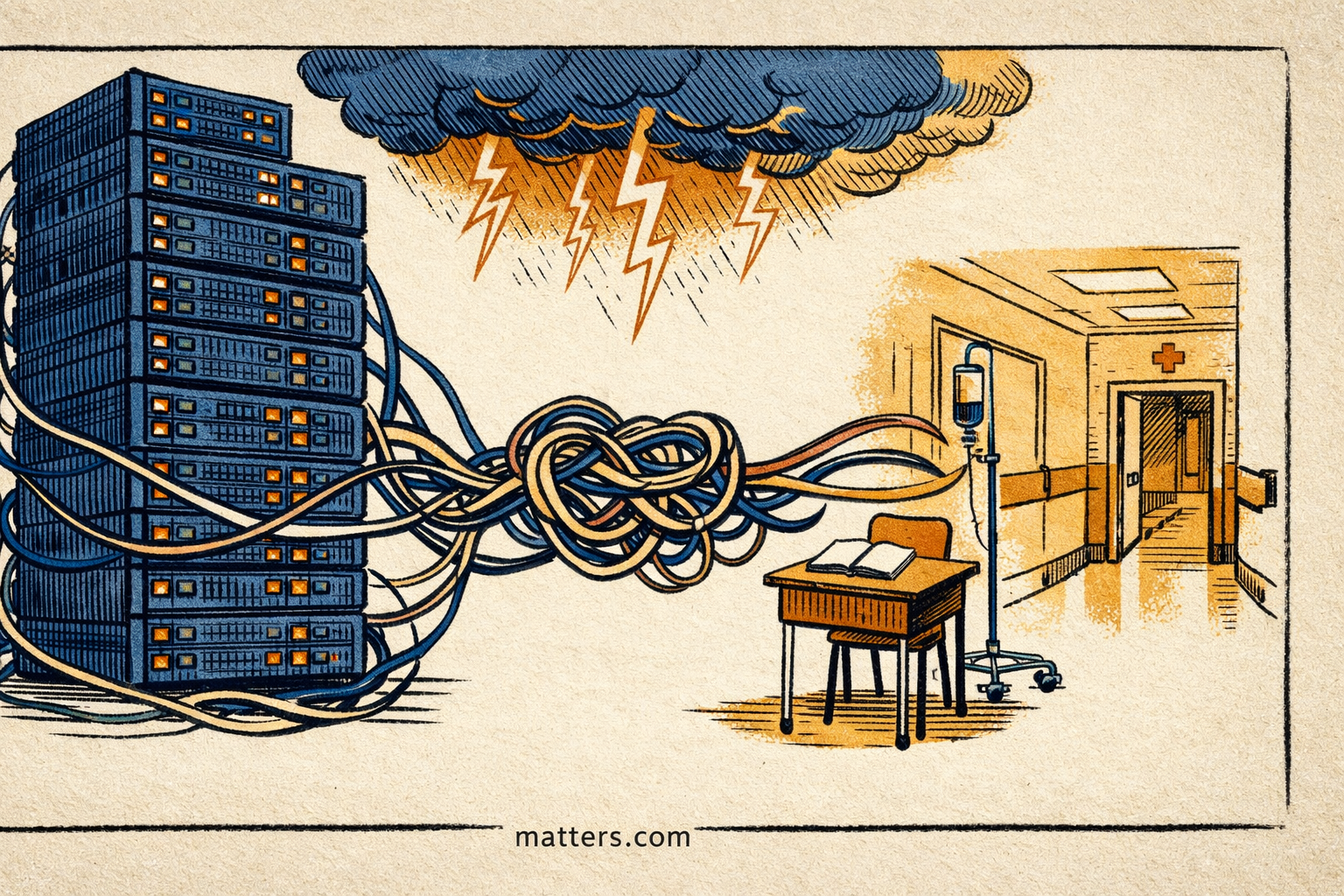
The AI story today reads like a physics problem: furious demand, not enough juice, and a government trying to referee. Meanwhile, schools and hospitals are wrestling with culture and care—Texas flipped a curriculum switch and mental-health policy is advancing in messy, consequential ways.
Artificial Intelligence
AI growth strained by power, policy, and infrastructure bottlenecks
The $7 trillion AI surge is bumping up against a surprising limiter: reliable electricity, with data centers and grids struggling to keep pace as companies and states hunt for power and water solutions (energy trade). [P]Governments are tightening the screws — the U.S. cleared Anthropic to release Mythos 5 to vetted groups while OpenAI and the administration negotiated restricted early access to GPT-5.6 — showing regulation is now part of deployment strategy (Anthropic, OpenAI GPT-5.6).
Education
Texas mandates Bible passages as school reading; curriculum changes ripple
The Texas State Board of Education voted to require Bible stories and revised K–8 social studies standards, catapulting a local curriculum choice into a national culture-war debate about religion in public schools (Texas vote, K–8 standards). [P]At the same time, universities and state systems are wrestling with free-speech and governance tensions — California is reshaping school administration while campus lawsuits test harassment rules — so expect textbook fights and courtroom footnotes to follow.
Mental Health
Big policy decisions and sobering research shift the mental-health landscape
Canada is debating whether to extend medical assistance in dying to patients with mental illness, a wrenching policy choice that forces society to weigh autonomy against protection (euthanasia debate). [P]New evidence shows adolescent cannabis use doubles the risk of severe psychotic and bipolar disorders, underscoring prevention urgency, even as the U.S. rolls out an HHS-backed mental health initiative to expand treatment and recovery supports (cannabis study, HHS initiative). Telehealth dominates care delivery now, but clinicians warn AI note-taking and chatbot substitutes still leave important quality gaps.