From Bible passages to a child mental-health emergency
Digest Newsletter
·
Jun 29, 2026
From Bible passages to a child mental-health emergency
Welcome to Matters.com™ beta, where the world shows what matters. More information? Click here.
Policy, pedagogy and the nervous system are colliding this morning: big shifts in what kids learn, who answers their crises, and how technology is reshaping emotional skill. It’s the kind of chaotic cocktail that makes educators, clinicians, and parents reach for both policy briefs and a deep breath.
Education
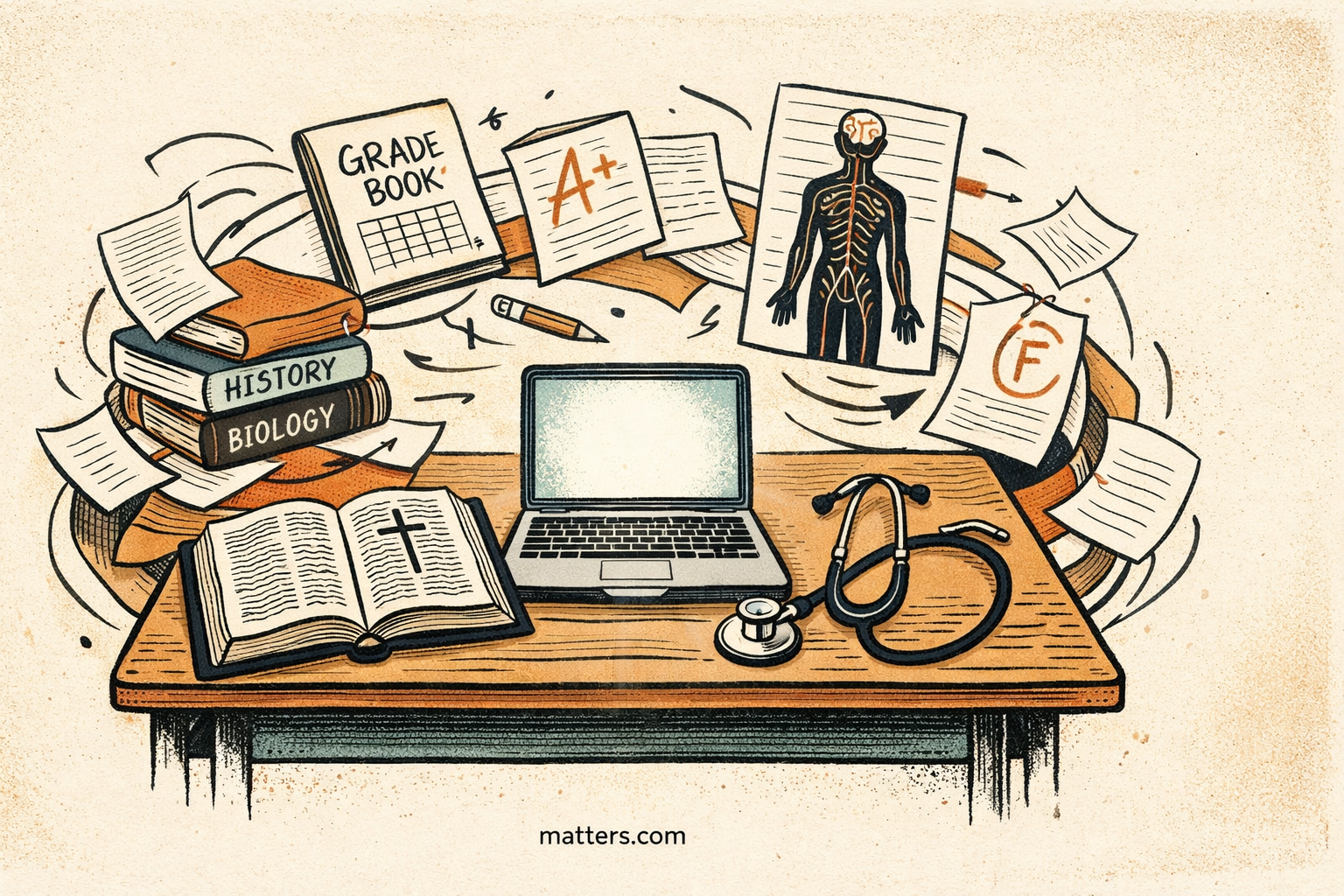
Religion, oversight, funding and AI are reshaping schools
Texas' board voted to make Bible passages required reading for K–8 and approved mandated Bible stories in reading lists, igniting a national debate over religion in public schools (ABC, Amarillo Tribune). [P]At the same time the Justice Department is tightening oversight of universities and states from Oklahoma to California are rolling out AI classroom rules and administrative shake-ups, signaling a widespread push to redefine accountability, curriculum, and who runs public education (Cavalier Daily, News9).
Mental Health
Child mental-health demand hits crisis levels while systems strain
Referrals in England surged to over one million children seeking services—anxiety accounts for a large share—exposing massive capacity gaps and overwhelmed child-development systems (The Guardian, Mirror). [P]Meanwhile a data breach at NSW schools and several police-involved crisis shootings in the U.S. highlight how privacy failures and arrest-oriented responses endanger vulnerable youth and demand better crisis alternatives and safeguards (SMH, WTSP).
Parenting
Digital rules, viral praise and the ethics of sharing grief
Parents are being urged to teach digital skills—notification management and privacy—before high school as device rules show real wins for sleep and family connection (Times of India, News24). [P]At the same time a Georgia influencer’s public post about his toddler’s drowning has reignited debate over how family tragedy is shared, while psychologists back a simple praise technique that actually boosts kids’ confidence—parenting in the digital age remains equal parts boundary-setting and moral navigation (AOL, Upworthy).
Emotional intelligence
New boundary trends and AI are testing empathy and regulation
Gen Z's embrace of micro detachment—small, intentional breaks to protect boundaries—signals a pragmatic shift toward daily self-regulation and resilience (ED Times). [P]At the same time AI chatbots are shown to undercut empathy in relationship conflicts, and mindfulness still stands strong as a counterbalance for cultivating emotional awareness and regulation in an always-on world (Psychology Today, Andaman Chronicle).