Money · Matters.com — More Americans are spending more than they earn

Digest Newsletter
·
Jul 8, 2026
Money · Matters.com — More Americans are spending more than they earn
Welcome to Matters.com™ beta. A new social platform to share what matters. More information? Click here.
Financial pressure is rising across households: the share of Americans running deficits has grown, even as safer savings options and lower mortgage rates shift the choice architecture for families. This week’s briefing sorts through what’s driving strain and where small policy and product changes might matter to your budget.
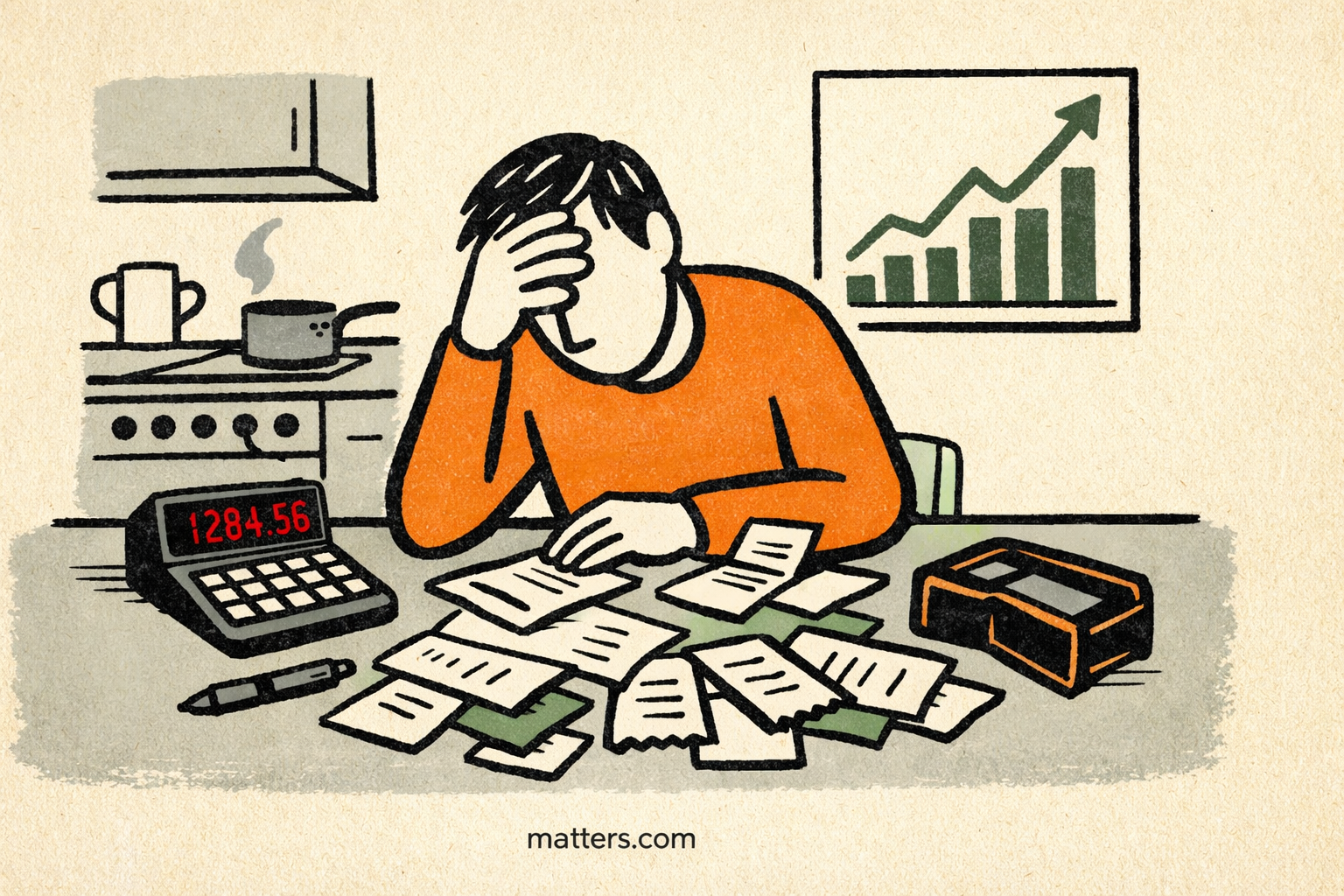
26% of Americans now spend more than they earn
A new analysis finds about one in four Americans are living beyond their incomes, a sign of widening household strain that affects credit risk, savings rates, and demand for short-term credit. Read the reporting at Investopedia for details on who is most affected and the factors—wage stagnation, higher living costs, and depleted emergency savings—driving the trend. For people managing household budgets, this raises sharper short-term priorities: rebuild an emergency buffer or reduce high-cost borrowing before longer-term investing.
Pentagon requests $67B more
The Pentagon has asked for more than $67 billion in supplemental funding to cover shortfalls, and congressional delays risk tighter defense spending that could ripple through contractors and supply chains; read more here.
Fed tightens anti-money-laundering rules
The Federal Reserve proposed updated rules to strengthen institutions’ controls against illicit finance, a move that will raise compliance costs but aim to protect overall financial-system integrity; see the proposal here.
High-yield savings up to 4.50%
More banks are offering high-yield savings products paying as much as 4.50%, making them a practical place for emergency funds while rates remain above older, traditional accounts; details compiled here.
Dollar use beyond U.S. borders
The U.S. dollar is used as an official or de facto currency in several countries outside the United States—examples include Ecuador, El Salvador, and Panama—giving the greenback practical, everyday reach well beyond domestic borders.