Money · Matters.com — A quarter of Americans spending more than they earn

Digest Newsletter
·
Jul 8, 2026
Money · Matters.com — A quarter of Americans spending more than they earn
Welcome to Matters.com™ beta. A new social platform to share what matters. More information? Click here.
Financial strain deepened this week: a new tally finds a growing share of households are running a deficit, while interest rates, savings options, and unclaimed funds offer contrasting signals. These developments matter because they change everyday budgeting, borrowing costs, and small but meaningful opportunities to reclaim money people already own.
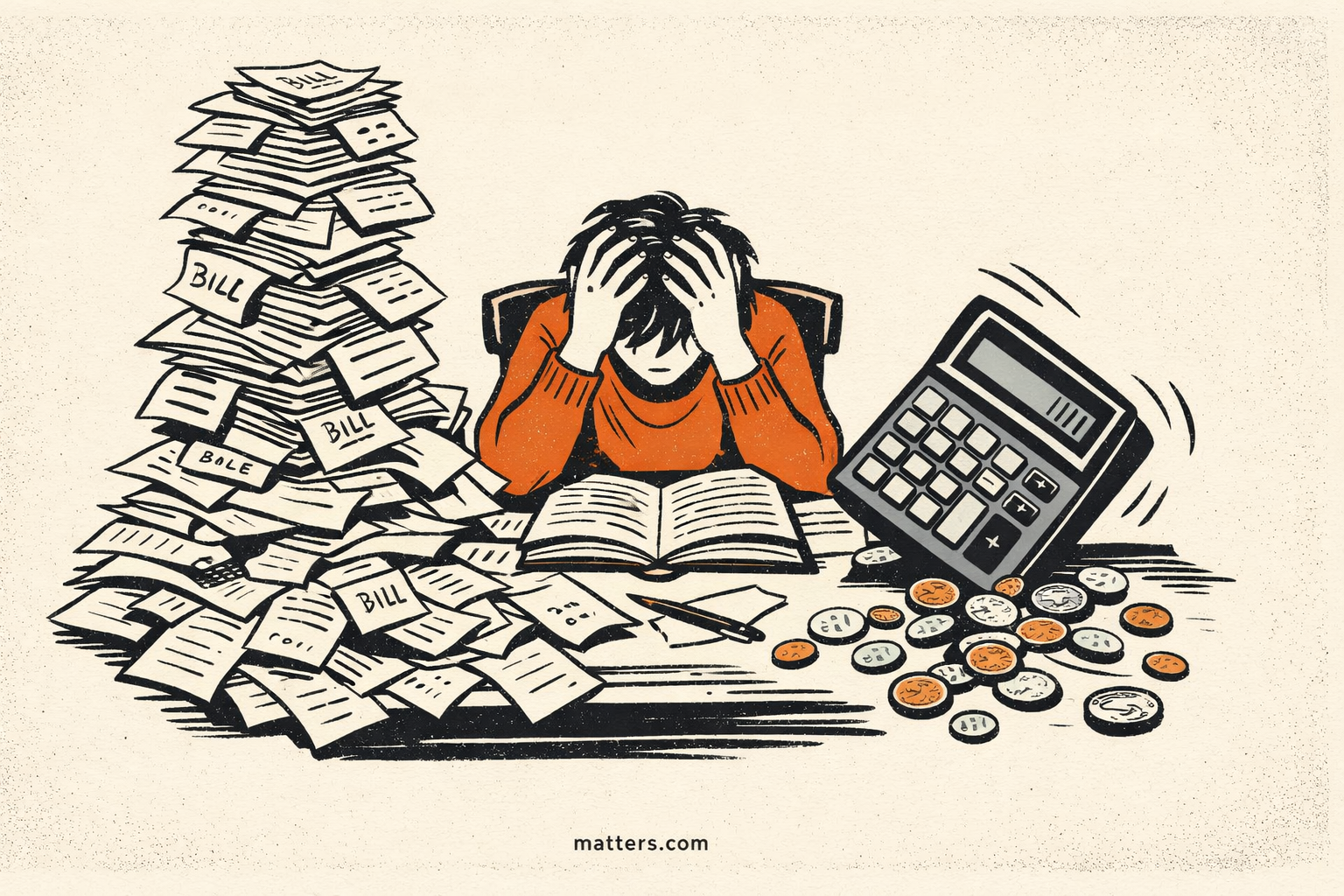
26% of Americans now spend more than they earn
A recent analysis shows 26% of U.S. households are spending more than their income, an indicator of rising financial stress that affects budgeting, borrowing, and reliance on savings or credit. For households, that typically means smaller emergency cushions and greater vulnerability to shocks like job loss or medical bills; for policy and markets, it signals sustained consumer fragility. Read the full breakdown and what it suggests for household budgets at Investopedia’s report.
High-yield savings rates
Online accounts are offering up to 4.50% APY, making them a more effective place to park emergency funds than many traditional banks; compare offers before moving money via this roundup: best savings accounts.
Mortgage rates ease
The 30-year fixed rate fell to 6.54%, reducing monthly costs for new buyers and anyone considering a refinance; see current benchmarks at WSJ mortgage update.
Ohio prompts claims on unclaimed cash
Ohio launched an outreach to help residents recover $4.8 billion in unclaimed property, a reminder to check state databases for forgotten accounts: how to claim.
Why banks keep some deposits available immediately
Banks often make a portion of a deposit available the same day while holding the rest for verification; that policy balances customer access with fraud prevention and is why large checks can show as 'available' before they fully clear.