Money · Matters.com — More Americans are spending beyond their means

Digest Newsletter
·
Jul 8, 2026
Money · Matters.com — More Americans are spending beyond their means
Welcome to Matters.com™ beta. A new social platform to share what matters. More information? Click here.
Household finances tightened this week: a rising share of Americans are now spending more than they earn, and policy and market moves are shifting how money moves and is regulated. These developments matter whether you manage a household budget, help someone who does, or watch how capital flows reshape markets.
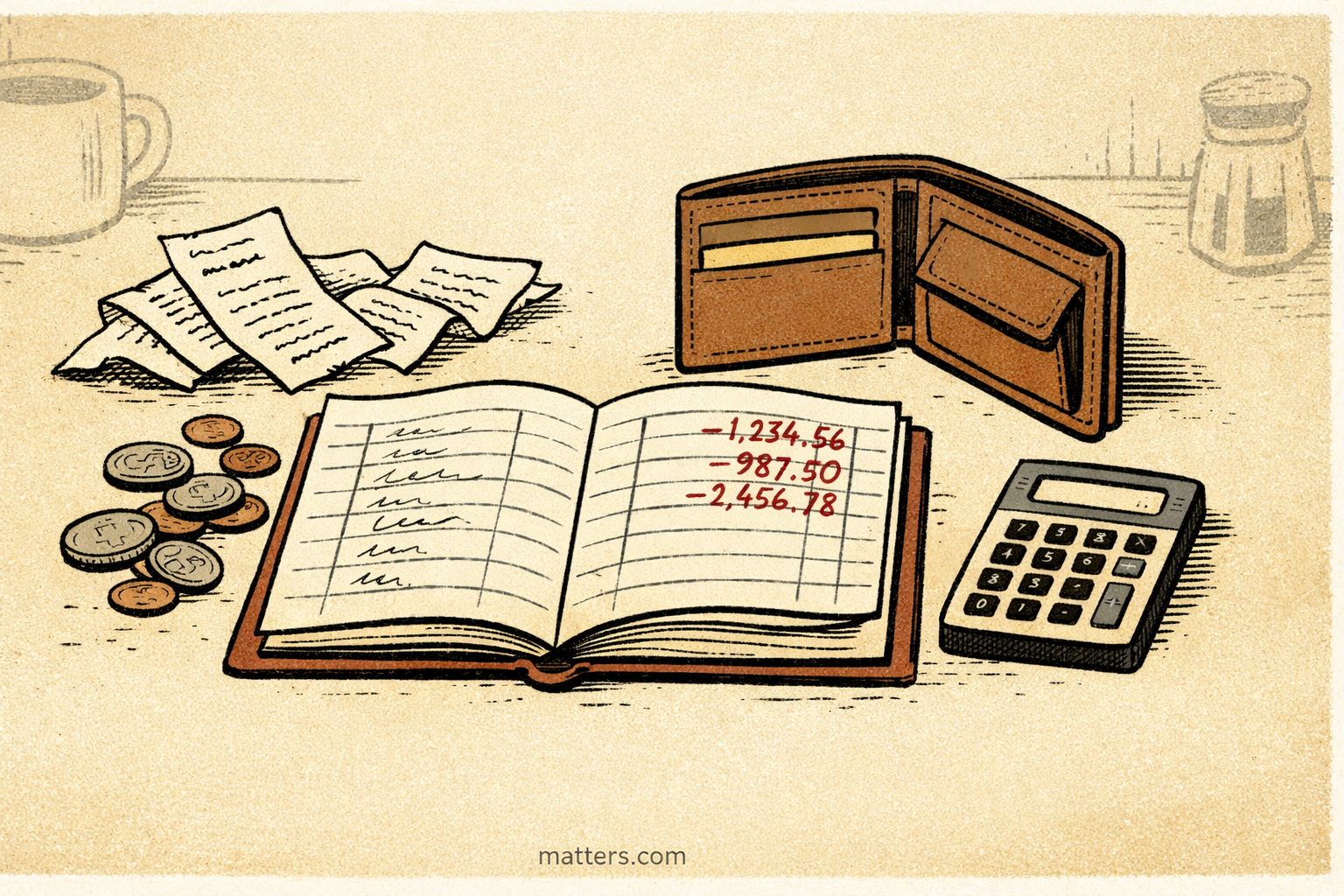
26% of Americans now spend more than they earn
A new analysis finds that 26% of Americans are spending more than their incomes, a sign of growing financial stress that affects savings, borrowing needs, and household planning. For people balancing bills, mortgages, or support for family members, this trend raises the odds of short-term cash shortages and greater reliance on credit. Policymakers and lenders may respond with tightened underwriting or targeted relief; for practical steps and context see the reporting at Investopedia.
Pentagon asks for $67B in supplemental funds
Defense officials have requested more than $67 billion in supplemental funding while Congress delays approval, creating near-term strains on spending priorities and procurement; read more at NBC News.
Fed tightens anti–money laundering rules
The Federal Reserve proposed updated AML/CFT regulations to increase controls on financial institutions, a change that will affect compliance costs and customer onboarding; details at BPI.
Crypto governance question widens
As digital currencies gain adoption, analysts are debating who will set rules and preserve trust in new forms of money — regulators, firms, or networks — with implications for custody, payments, and monetary policy; context at Global Policy Journal.
Mortgage rates ease to 6.54%
Thirty-year fixed mortgage rates dropped to 6.54%, which reduces monthly borrowing costs and can affect buying power and refinancing decisions; see the market snapshot at WSJ.
Dollar's global role
About 60% of official foreign-exchange reserves worldwide are held in U.S. dollars, which helps explain why U.S. interest-rate and fiscal policy often have outsized effects on global borrowing costs and capital flows.