Money · Matters.com — More Americans spending more than they earn

Digest Newsletter
·
Jul 8, 2026
Money · Matters.com — More Americans spending more than they earn
Welcome to Matters.com™ beta. A new social platform to share what matters. More information? Click here.
Household budgets are under pressure: a rising share of Americans report they now spend more than they earn, and that shift is starting to reshape borrowing, saving and policy debates. This briefing pulls together the developments that matter for your money decisions and the people who depend on them.
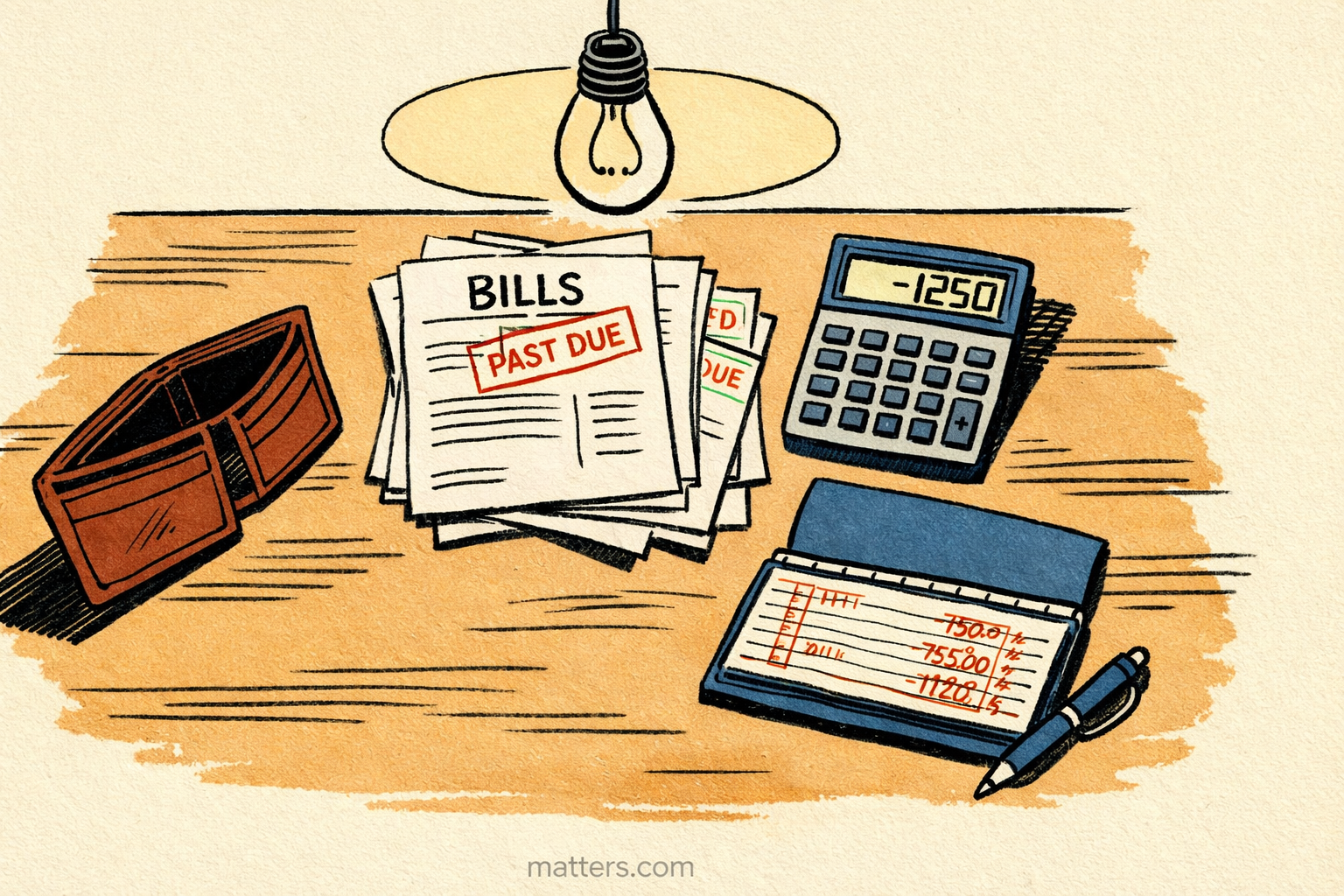
26% of Americans are spending more than they earn
A new analysis finds that 26% of Americans now report spending exceeds income, a sign of growing household strain that can increase debt use and reduce long-term savings. For people managing budgets or advising others, that shift means higher demand for short-term credit, more pressure on emergency funds and greater sensitivity to changes in rates and wages. Read the full breakdown at Investopedia to see which groups are most affected and what policymakers are watching.
Pentagon seeks $67B in supplements
Defense officials requested over $67 billion in supplemental funding to cover shortfalls, a move that could shift federal budget priorities and affect broader economic allocations; details at NBC News.
Fed tightens anti–money-laundering rules
The Federal Reserve proposed updated rules to strengthen controls on financial institutions and better detect illicit flows, a change that will increase compliance burdens for banks; read the statement at BPI.
Ohio starts unclaimed-money push
Ohio launched a campaign to help residents find and claim about $4.8 billion in unclaimed property, a direct way many households can restore liquidity; see local guidance at WLWT.
Global reserve use
About 60% of global foreign-exchange reserves are held in U.S. dollars, making the dollar the world's primary reserve currency—a long-running source of cheaper borrowing for the U.S. government and international price stability for global trade.