Money · Matters.com — More Americans spending beyond their means

Digest Newsletter
·
Jul 9, 2026
Money · Matters.com — More Americans spending beyond their means
Welcome to Matters.com™ beta. A new social platform to share what matters. More information? Click here.
Household finances look more fragile this week: a growing share of people are spending more than they earn, even as borrowing costs eased and better short-term savings rates are available. These shifts affect budgets, emergency cushions, and how much people can sensibly set aside for retirement or debt repayment.
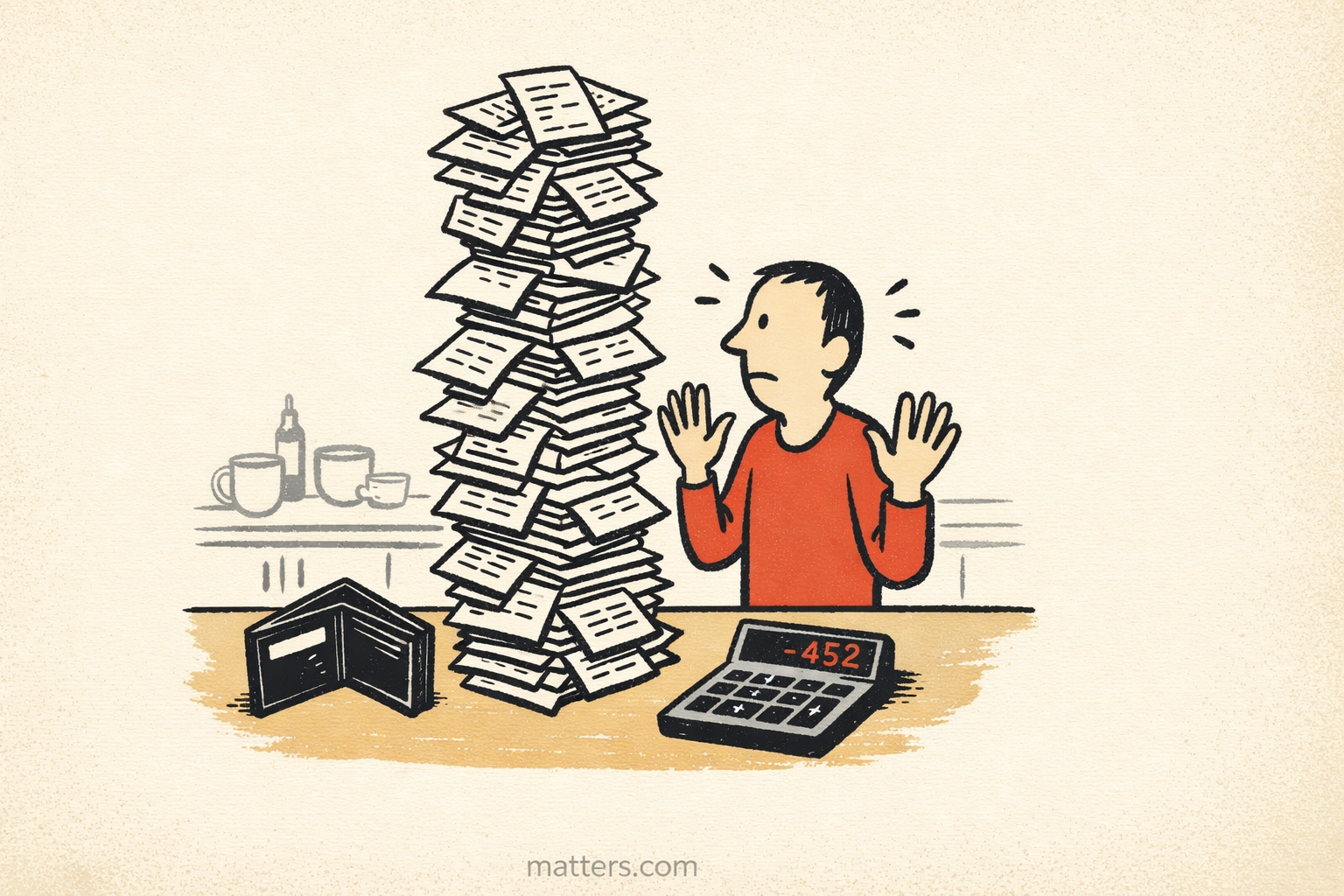
Over a quarter of Americans now spend more than they earn
Recent reporting finds that roughly 26% of Americans are spending more than they take in, a level that signals rising household stress and reduced capacity to save or absorb shocks. That trend increases the risk that people will rely on high-interest credit or deplete emergency savings, and it complicates retirement planning and major purchases. Read the analysis here: why 26% are spending more than they earn.
Mortgage rates fall
The 30-year fixed mortgage rate moved to 6.54%, reducing monthly payments modestly for new buyers and those refinancing; see how this changes affordability here: mortgage rates today.
Higher-paying savings options
Several high-yield savings accounts now offer up to 4.50% APY, making cash buffers more productive without market risk; details and top rates are listed here: best savings account rates.
AI advisers shifting advice model
AI-powered financial advisers are gaining traction and reshaping fee structures and access to portfolio guidance; the Financial Times outlines how this competition is pressuring traditional advisers: AI vs. traditional financial advice.
The Rule of 72
The Rule of 72 is a quick way to estimate how long an investment will double: divide 72 by the annual interest rate (so at 6% growth, your money roughly doubles in 12 years). It’s a simple mental check for savings goals and comparing return scenarios.