Dogs · Matters.com — Frenchies top the charts (and your feed)

Digest Newsletter
·
Oct 13, 2026
Dogs · Matters.com — Frenchies top the charts (and your feed)
Welcome to Matters.com™ beta, where the world shows what matters. More information? Click here.
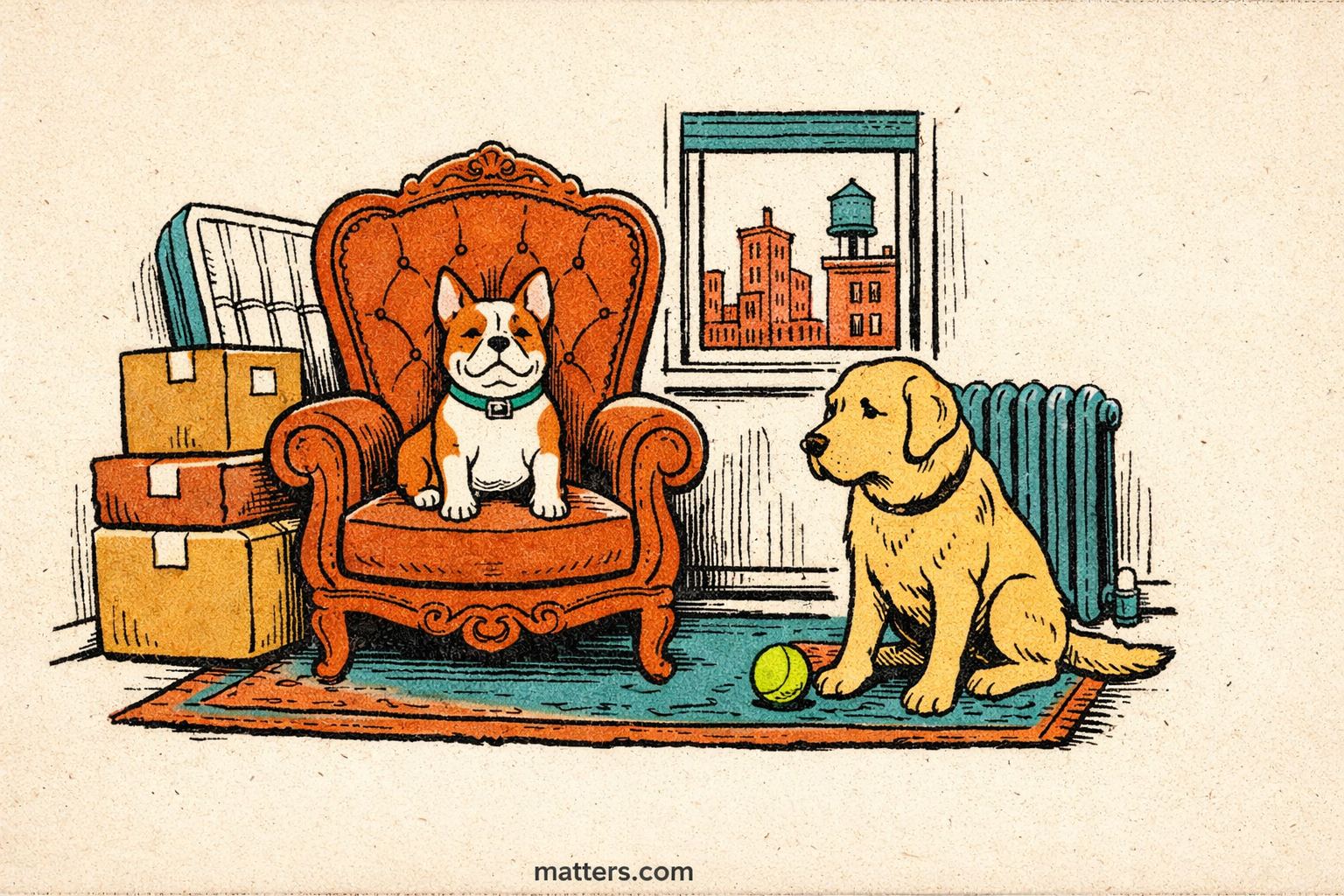
French Bulldogs knock Labs off the throne after 31 years
After three decades at the top, the Labrador Retriever has been overtaken by the French Bulldog as America's favorite breed — a shift that says as much about city living and small-space trends as it does about breed fashion. The report highlights rising demand for compact, low-exercise companions and raises fresh questions about breeding pressures and health trade-offs as popularity surges. If you live in an apartment, have a soft spot for smooshy faces, or follow breed-health debates, this change matters — expect more Frenchie mixes, more demand for vet expertise on brachycephalic care, and more tiny-sofa selfies in your timeline.
You might be the reason your dog loses sleep
A new study suggests people disturb dogs' sleep more than the reverse, especially when pups share beds — a reminder that nighttime cuddles can come with hidden costs for your dog's rest. Read the findings.
Big and male dogs age faster, at the DNA level
Researchers report that larger breeds and males show faster molecular aging, offering a biological clue for why big dogs tend to die younger and pointing toward breed-specific care strategies. Here's what they measured.
Recreational-drug exposures to pets spike in UK
The UK animal poison helpline logged 633 calls about pets exposed to recreational drugs and nicotine so far in 2025, a worrying jump that underlines how household substances and nightlife can end up harming curious dogs. Safety tips and trends.
Nose prints, not paw prints
A dog's nose print is unique to the individual — the patterns of ridges and creases are distinct enough that they can be used like fingerprints. Some kennel clubs and vets have even used nose prints for identification when collars or tags fail.