Mental Health · Matters.com — Autistic kids showing up suicidal — youngest cases yet

Digest Newsletter
·
Oct 29, 2026
Mental Health · Matters.com — Autistic kids showing up suicidal — youngest cases yet
Welcome to Matters.com™ beta, where the world shows what matters. More information? Click here.
Autistic children seeking emergency help for suicidal thoughts from age eight
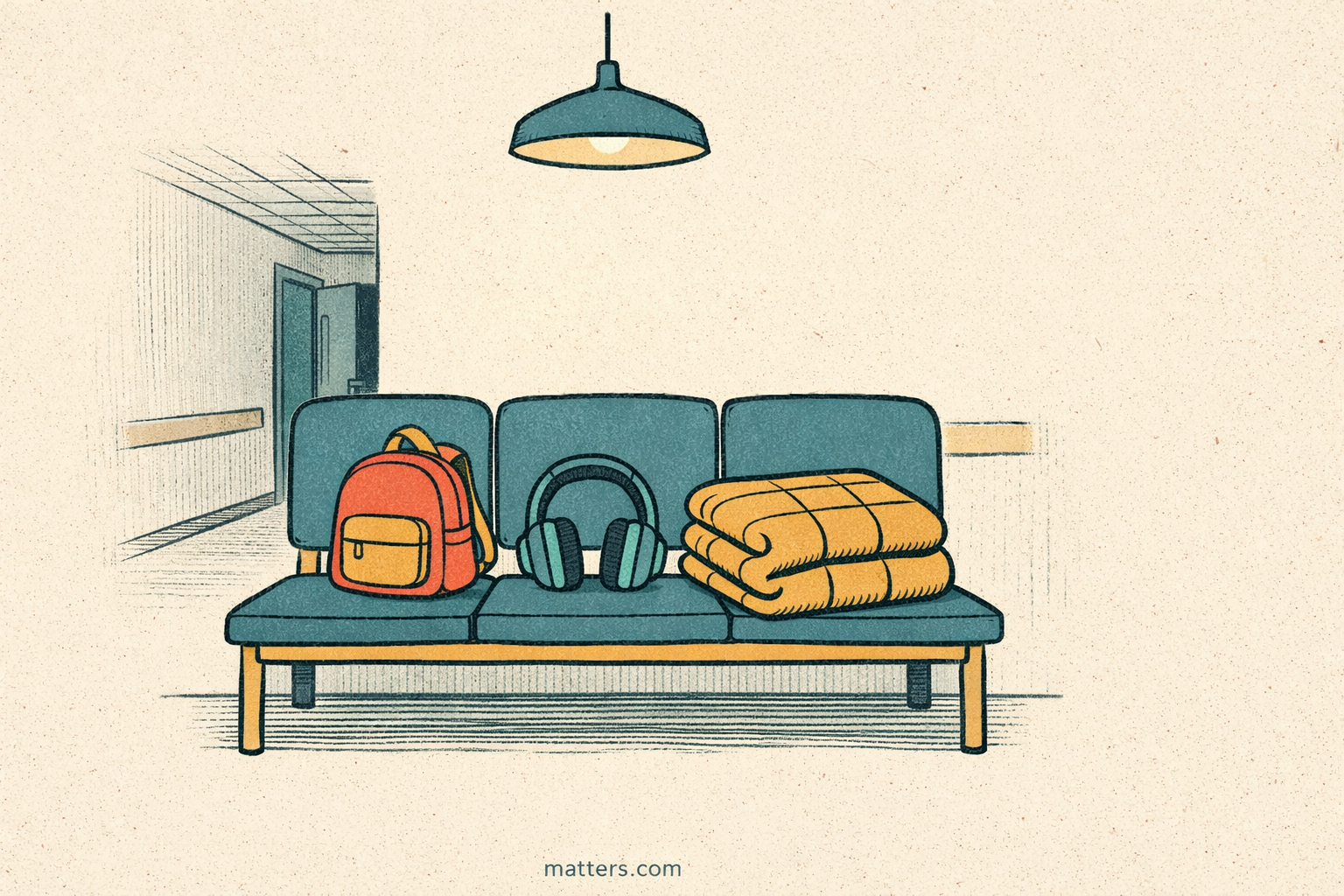
New reporting shows autistic kids are arriving at emergency departments with suicidal thoughts at startlingly young ages — some as young as eight. The piece details how emergency teams are seeing more crises and struggling to provide autism-informed mental health care; for families and clinicians this isn't an abstract trend, it's a shift in who needs immediate, specialized support. Read the full reporting to understand what hospitals are encountering and why early assessment and tailored responses matter: Autistic children come to A&E in mental-health crisis. This forces a hard look at training, pediatric suicide screening, and how services for autism and suicide prevention intersect.
Later school starts, better student mental health
A new study links later school start times to improvements in students' mental-health measures, suggesting schedule shifts can be a low-tech way to help overwhelmed young people; more here: Do later school start times help?
Meta considered a whisper campaign
Documents reveal Meta discussed a 'whisper' strategy against Jonathan Haidt while handling debates on social media and mental health — a reminder of how platform decisions shape public conversations: Meta and the Haidt files
Teens used AI but wanted more help
Research finds most teens who tried AI for emotional support still wanted additional help from people or services, raising questions about where chatbots fit in a care plan: Teens, AI, and unmet needs
A dog in the waiting room helps
Spending just a few minutes petting a calm dog reliably lowers cortisol (the stress hormone) and raises oxytocin, the social-bonding hormone — which is why therapy-dog programs pop up in hospitals, schools, and crisis centers.