John M. Rosen
Person by John Rosen
Pediatric neurogastroenterologist, digital health expert, and lover of all things digestion
About
Focused on helping kids with trouble pooping, difficulty eating, or dealing with chronic gastrointestinal symptoms. For me, the academic medical model remains at the core, but using digital tools to broaden access, provide education, and meet people...
Focused on helping kids with trouble pooping, difficulty eating, or dealing with chronic gastrointestinal symptoms. For me, the academic medical model remains at the core, but using digital tools to broaden access, provide education, and meet people where they are is key! Professor of Pediatrics Healthcare Technology Advisor @Pooficient
What Matters
John says Coffee matters a lot: "I like how it tastes" and he's "gotten into the science of making espresso," calling it "science making coffee in that way."
John says Telemedicine matters "increasingly so," as it helps "improve access" and allows doctors "to see them where they are."
John says Pizza matters, noting "you should be able to try different kinds of pizza and have your favorite. That's important."
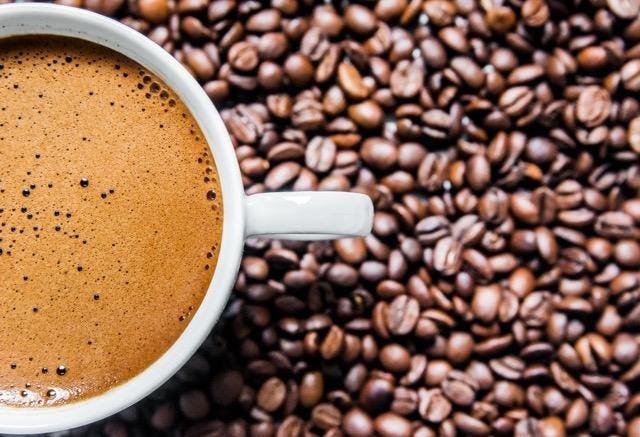
Personal Digest: One to three cups may cut major disease risks
View
Personal Digest: First U.S. Cyclospora deaths shift GI focus
View
Personal Digest: FDA clears blood test to screen for colorectal cancer
View
Personal Digest: Pizza Hut's 13% boost shows price power
View
Personal Digest: Telemedicine handles 350 consults a day
View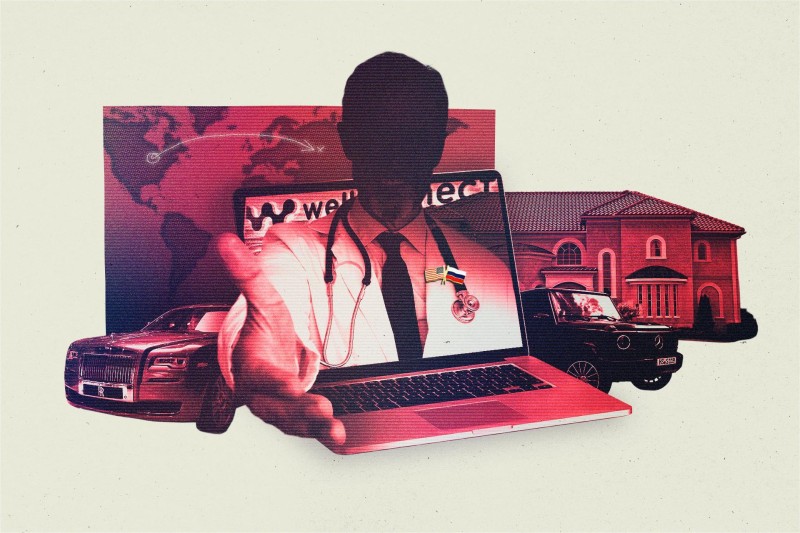
Personal Digest: Telemedicine's $2B fraud and the trust test
View
Personal Digest: Telemedicine's $2B fraud and trust crisis
View
Personal Digest: Botulism scare forces cold‑brew recall
View
Personal Digest: 200,000 pizzas: feeding soldiers and local shops
View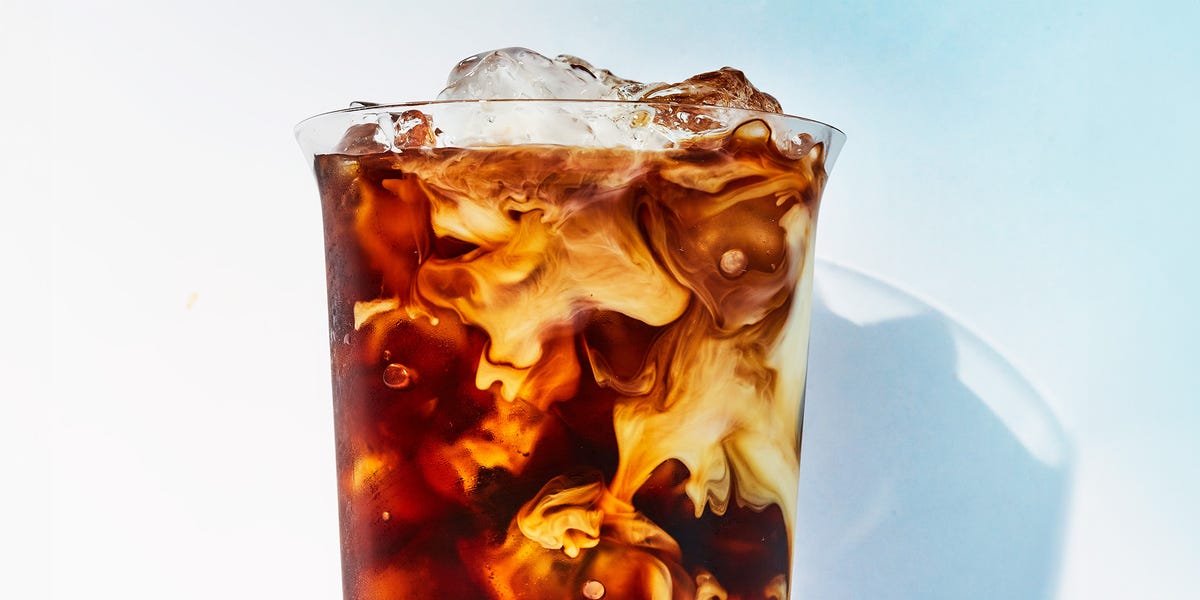
Personal Digest: Coffee may halve liver cancer risk — new studies
View
Personal Digest: New obesity drug yields >20% weight loss in Phase 3
View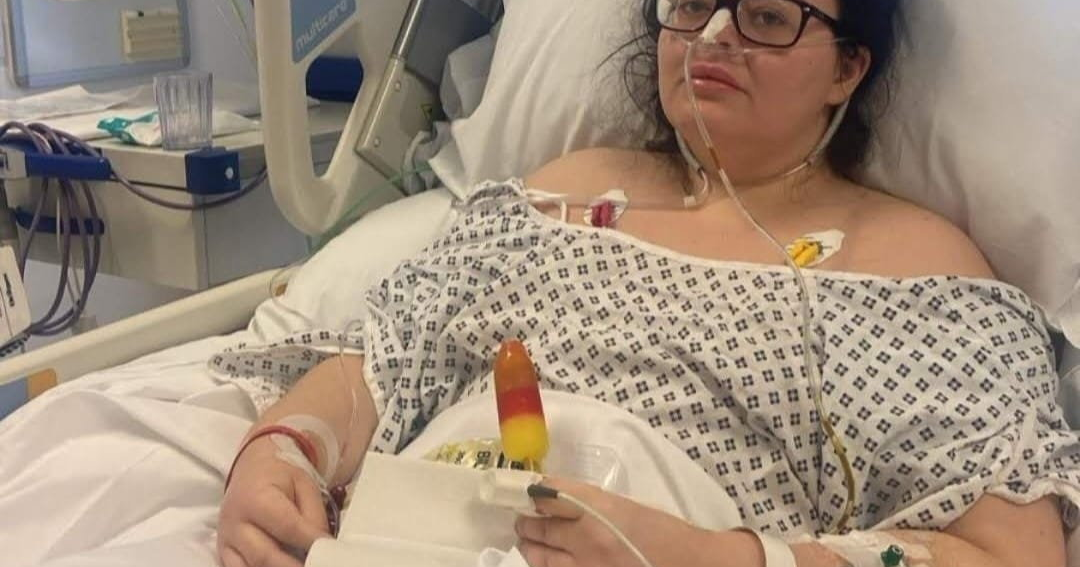
Personal Digest: When “just constipation” was ovarian cancer
View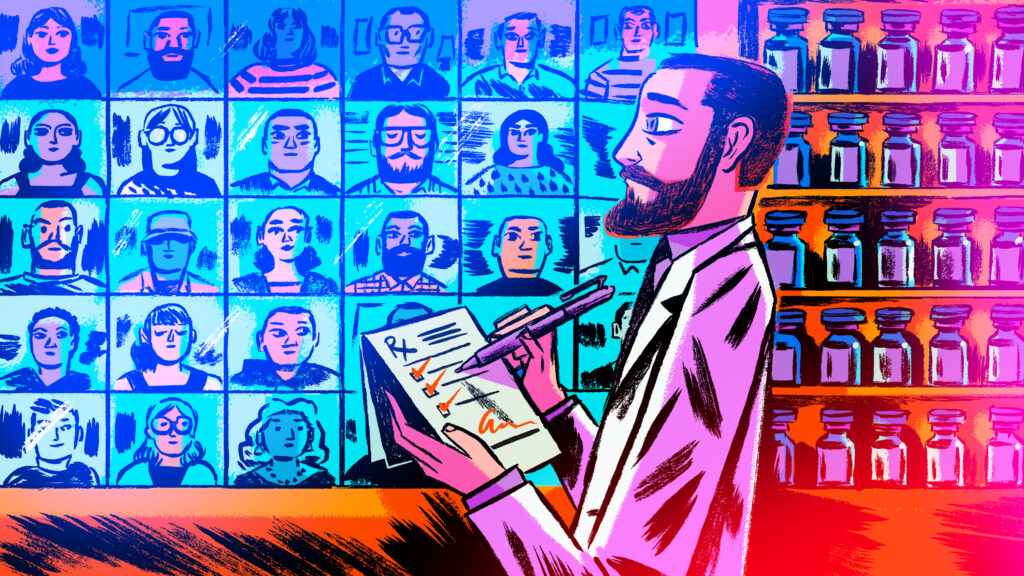
Personal Digest: Telehealth scrutiny: 365,000 weight-loss subscribers
View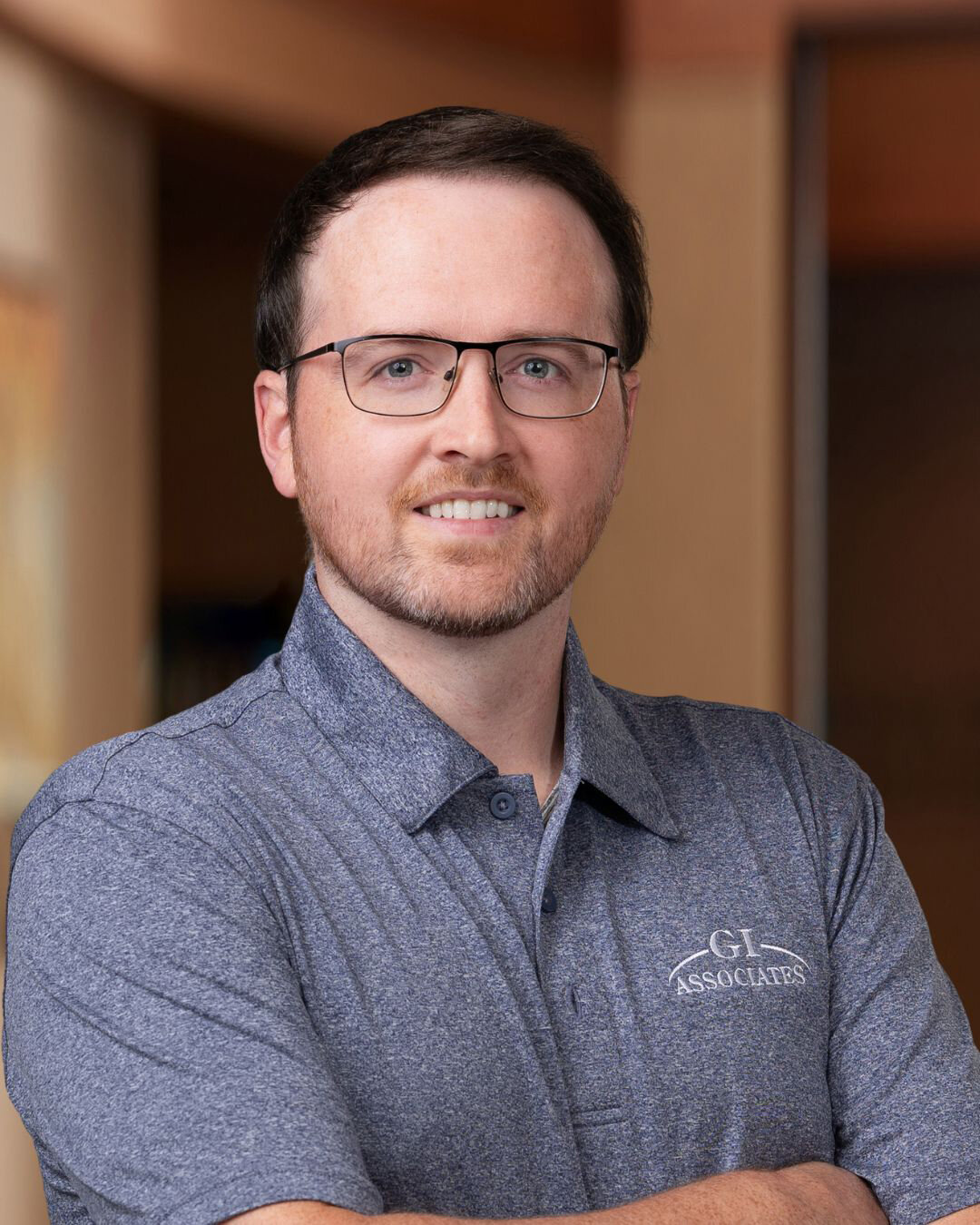
Personal Digest: Gut bugs can turn cells cancerous — without mutations
View
Personal Digest: GLP‑1s show promise for advanced fatty liver
View
Personal Digest: When GLP-1s constipate: the modern remix
View
Personal Digest: Newborn safety: vitamin K omission triples risk
View
Personal Digest: Microbes, nerves, and stubborn constipation
View
Personal Digest: Six-year telehealth fraud sentence shakes care
View
Personal Digest: AI tongues: telehealth turns tongues into tests
ViewRatings (3)
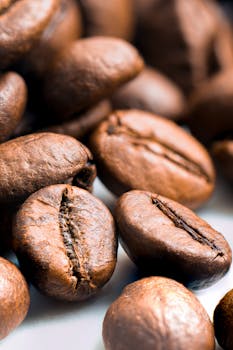
John says Coffee matters a lot: "I like how it tastes" and he's "gotten into the science of making espresso," calling it "science making coffee in that way."
Does COFFEE matter to you?
John says Pizza matters, noting "you should be able to try different kinds of pizza and have your favorite. That's important."
Does PIZZA matter to you?

John says Telemedicine matters "increasingly so," as it helps "improve access" and allows doctors "to see them where they are."
Does TELEMEDICINE matter to you?
Takes (14)
Everyone should get to try different kinds of pizza and land on their favorite — that actually matters.
Constipation can fool anyone — even a pediatric GI specialist thinking about it all day.
Honestly, I took my own toddler to the ER convinced it was appendicitis — it was constipation.
A big part of my job is handing the same information to families over and over so they can actually partner with their care team.
Technology has completely changed how I interact with patients.
Telehealth lets me see a kid on his couch instead of dragging him through a car ride and a waiting room.
If kids had asthma, parents would swap strategies freely — GI problems deserve that same openness.
Seeing a teenager with autism comfortable on his own couch makes the whole visit work better — for him and for me.
Telehealth isn't right for everyone every time, but it genuinely improves access for families who need it most.
You can still form a real doctor-patient relationship through a screen — that used to feel impossible to me.
Constipation affects up to one in four pediatrician visits, but parents still feel like they can't talk about it openly.
Making espresso is basically applied science — pressure, volume, speed — and I'm a little deep into it.
Kids with complex medical needs shouldn't have to travel six hours just to have a conversation with a specialist.
After all my training, I still rushed my constipated toddler to the ER thinking it was appendicitis — it fools everyone.