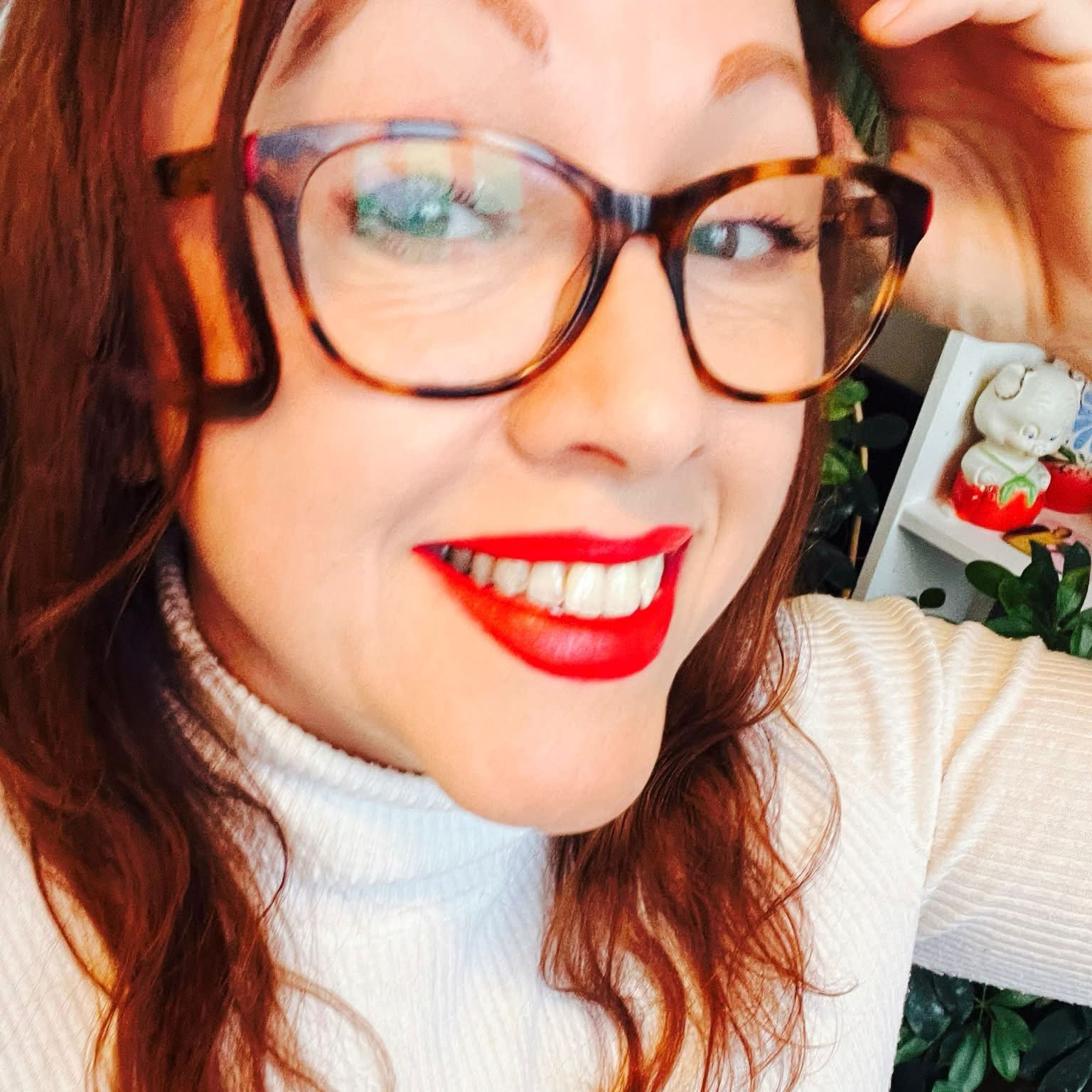
Amanda Graham
Person by Amanda Graham
TV comedy writer, cult survivor, public speaker, neurodivergence advocate, lover of ketchup and now a new author.
About
Amanda’s past work includes writing 23 eps of AppleTV/BBC TV and editing, ghostwriting, and punching up scripts and pitch decks for 90+ film and TV development projects including for the BBC, Channel 4, and Zero Gravity Group. She’s currently ghostw...
Amanda’s past work includes writing 23 eps of AppleTV/BBC TV and editing, ghostwriting, and punching up scripts and pitch decks for 90+ film and TV development projects including for the BBC, Channel 4, and Zero Gravity Group. She’s currently ghostwriting a film adaptation of a best-selling romantic comedy novel for an American production company. She has multiple projects in development with comedy director Tristram Shapeero, Olivia Colman and Ed Sinclair, BAFTA-nominated indie Visionality, and Estonian television writer Leana Jalukse. She also has three animation and book projects in partnership with Disney and Cartoon Network animating legend Travis Blaise and his studio Sketch2Animate. Her award-winning public speaking career spreads across the industry including the BFI, Industry & Baltic Events Tallinn, The Writer’s Guild, NFTS, WFTV, and film schools and festivals across Europe. Amanda is also a disability consultant for television programming. She’s also the host of The Institute of Neurodiversity’s new podcast, Neuro Disruptors. Her self-help book Good Stuff to Read When You’re About to Lose Your Shit has just been published on May 31st. Amanda is a BAFTA Connect Member, a TAPStar, was selected for BFI / BAFTA Crew 2021, and Ed TV Fest’s Ones to Watch 2018-2019. She’s a full member of the WGGB.
What Matters
Amanda loves exercise but jokes she's better at faking it than doing it.
Amanda loves plants: "They give us oxygen and they're just wonderful."
Coffee matters to Amanda: "I drink about a liter of coffee a day."
Amanda says dogs are everything.
Cheese is one of Amanda's favorites.
Writing matters to Amanda: "I can't stop, it's my favorite way of communicating."
Amanda is passionate about Neapolitan pizza: "Neopolitan Pizza for the win. Absolutely the best."
Amanda says creativity matters "a hundred percent" because "you need creativity for solutions to get out of problems, for ways to come up with collaborations... to make the best of your gifts."
Storytelling is the basis of everything Amanda does professionally.
Amanda believes comedy matters: "If you can't laugh, then you are going to cry all the time, every day."
Amanda says neurodiversity matters and stresses the importance of acceptance: "We need to focus on what we have in common instead of the divisions."
Wednesday Weekly: Dog poisonings in UK have jumped 87%
ViewRatings (7)

Amanda loves plants: "They give us oxygen and they're just wonderful."
Does PLANTS matter to you?

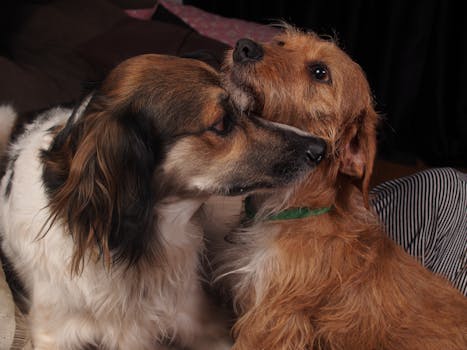
Coffee matters to Amanda: "I drink about a liter of coffee a day."
Does COFFEE matter to you?
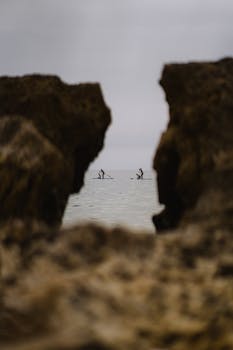
Amanda loves exercise but jokes she's better at faking it than doing it.
Does PHYSICAL EXERCISE matter to you?
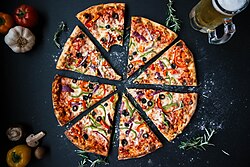
Amanda is passionate about Neapolitan pizza: "Neopolitan Pizza for the win. Absolutely the best."
Does PIZZA matter to you?
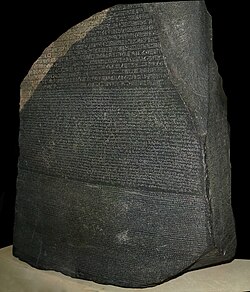
Writing matters to Amanda: "I can't stop, it's my favorite way of communicating."
Does WRITING matter to you?