AI's power bill, election deepfakes, and data-center politics
Digest Newsletter
·
Jun 27, 2026
AI's power bill, election deepfakes, and data-center politics
Welcome to Matters.com™ beta, where the world shows what matters. More information? Click here.
AI keeps growing faces—and appetites—across society: it's reshaping classrooms and hospitals, swelling energy grids, and even showing up in election ads. The week's through-line is infrastructure and oversight: who builds the machines, who powers them, and who gets to regulate what they do.
Artificial Intelligence
Energy, elections, and new limits on model access
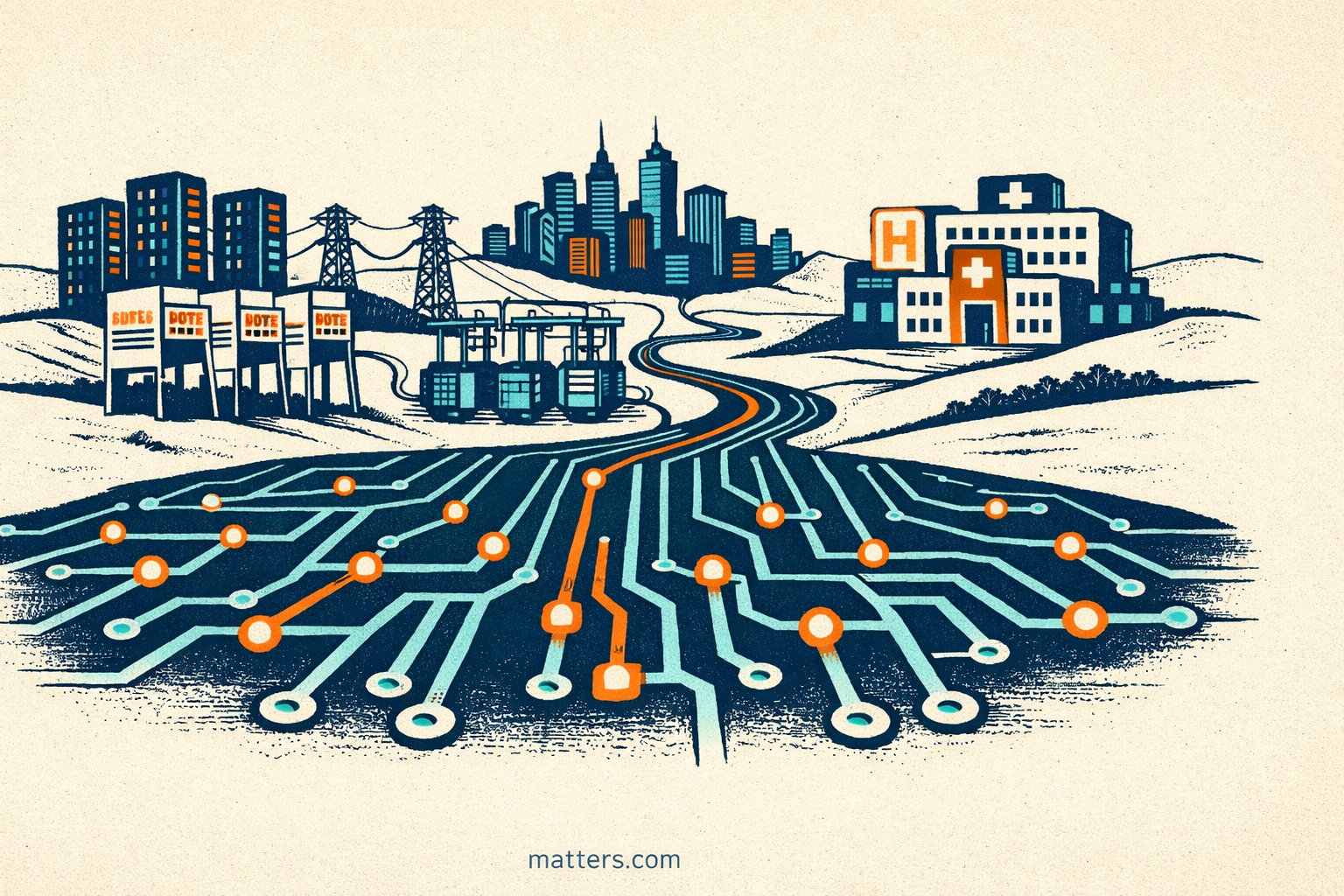
A flood of venture cash and data-center construction is putting AI's energy demands front and center—Texas plans 248 projects while Virginia approved a novel data-center energy tax and the White House pushes nuclear and modular options (Texas projects), (Virginia tax), (White House). [P]At the same time, AI is entering politics via convincing deepfakes and fake endorsements that threaten 2026 races (deepfake ads), while regulators and firms tighten access—OpenAI and the U.S. government now vet users and Anthropic won clearance to restore broader Mythos access (Anthropic), (OpenAI limits).
Cooking
From health risks to cultural kitchens
A South Korean study links long-term exposure to cooking fumes with higher Alzheimer's risk, nudging kitchen-safety into public-health conversations (study). [P]Meanwhile, chefs are using summer camps and new restaurants to teach Taíno-inspired and Filipino home techniques, turning cooking into cultural storytelling and hands-on history for young learners (Caribbean camp), (Filipino cooking).
Dogs
Rescue horror, dogfighting sentences, and safety warnings
A grim probe at Miranda's Rescue found 117 dog remains—many shot—sparking investigations into alleged fraud and oversight failures (Miranda's Rescue). [P]Federal prosecutors secured a 10-year sentence in an Alabama dogfighting case that rescued 78 animals, while separate incidents of attacks and drowning-linked chases underline why Fourth of July pet-safety guidance matters right now (dogfighting), (attack).
Gardening
Design, natives, and pollinator stewardship
Landscape designers are reframing gardens as architectural extensions of homes, elevating style and purpose in every planting plan (landscape design). [P]Gardeners are also pivoting to native plants for lower maintenance and better ecosystem support, and Penn State workshops are teaching pollinator-friendly planting that actually helps the bugs that keep things growing (native plants), (pollinators).