Cendrine Hosoda
Person by Cendrine Hosoda
Trauma-informed life consultant and neurosomatic intelligence practitioner with a holistic health focus
About
I’m a trauma-informed life consultant who works at the intersection of spirit, soul, and body, helping women who feel stuck, exhausted, or disconnected finally experience real, lasting change. My work is deeply shaped by my own journey. What started...
I’m a trauma-informed life consultant who works at the intersection of spirit, soul, and body, helping women who feel stuck, exhausted, or disconnected finally experience real, lasting change. My work is deeply shaped by my own journey. What started as a passion for nutrition and physical health became something much deeper when I faced years of chronic illness, nervous system dysregulation, and the hidden impact of complex trauma. For a long time, I lived in a state of overdrive, pushing, performing, and trying to “do everything right,” while feeling increasingly depleted and disconnected from myself. Everything began to shift when I realized healing wasn’t just about food, mindset, or discipline. My body had been living in survival for years, and no amount of willpower could override that. That realization led me into trauma-informed training and, ultimately, advanced work in Neurosomatic Intelligence (NSI). This approach transformed not only my own healing, but the way I support others. Instead of surface-level regulation tools, I help clients work with the deeper patterns stored in the body, where survival responses, emotional pain, and protective adaptations actually live. What drives me is helping people understand why they’ve felt stuck for so long, and giving them a path forward that is both gentle and effective. My work goes beyond coping strategies or quick fixes. We create real safety in the body, resolving underlying patterns, and building a life that no longer revolves around survival. I care deeply about creating spaces where people feel seen, supported, and not “too much” or “not enough.” So many of the women I work with have tried everything and still feel like they’re failing. I help them see that nothing is wrong with them, their system simply adapted in ways that made sense at the time. Right now, I’m focused on expanding this work through my programs and teaching, bringing a more integrated, nervous-system–led approach to healing that honors both science and faith, and supports people in becoming more regulated, present, and fully alive in their lives.
What Matters
Trauma matters to Cendrine because not enough people have capacity to be with those experiencing or trying to heal from trauma.
Chronic illness matters to Cendrine because it 'often feels like a life sentence' but believes in our ability to support ourselves and improve symptoms.
Trauma-informed care matters to Cendrine because 'a lot of damage can be done if someone is trying to help someone who is already dealing with trauma; secondary trauma is unnecessary.'
Neuroscience matters to Cendrine because it enables precise identification of underfunctioning brain areas and targeted training to improve diverse outcomes.
Emotional pain matters to Cendrine because most lack tools to face it; Cendrine loves teaching these tools so others stop feeling powerless and avoid destructive coping.
Personal Digest: 166,000-neuron fly brain mapped — big leap
View
Personal Digest: 1 in 5 pediatric psych crises tied to digital media
View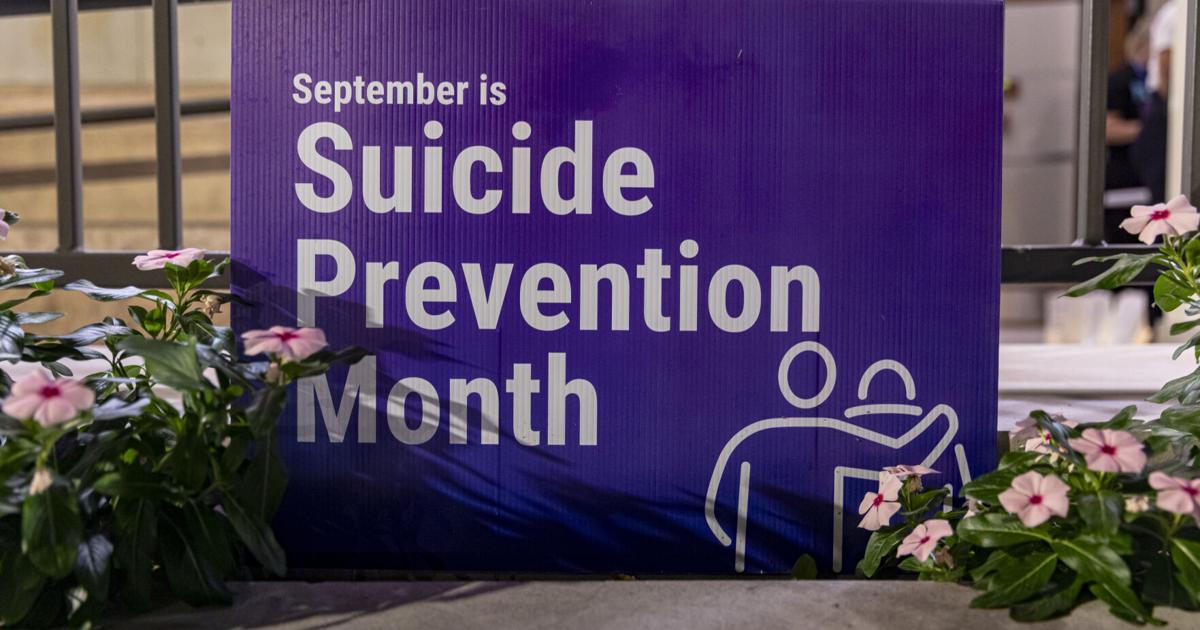
Personal Digest: Nearly 50,000 suicides in 2024 — what's next?
View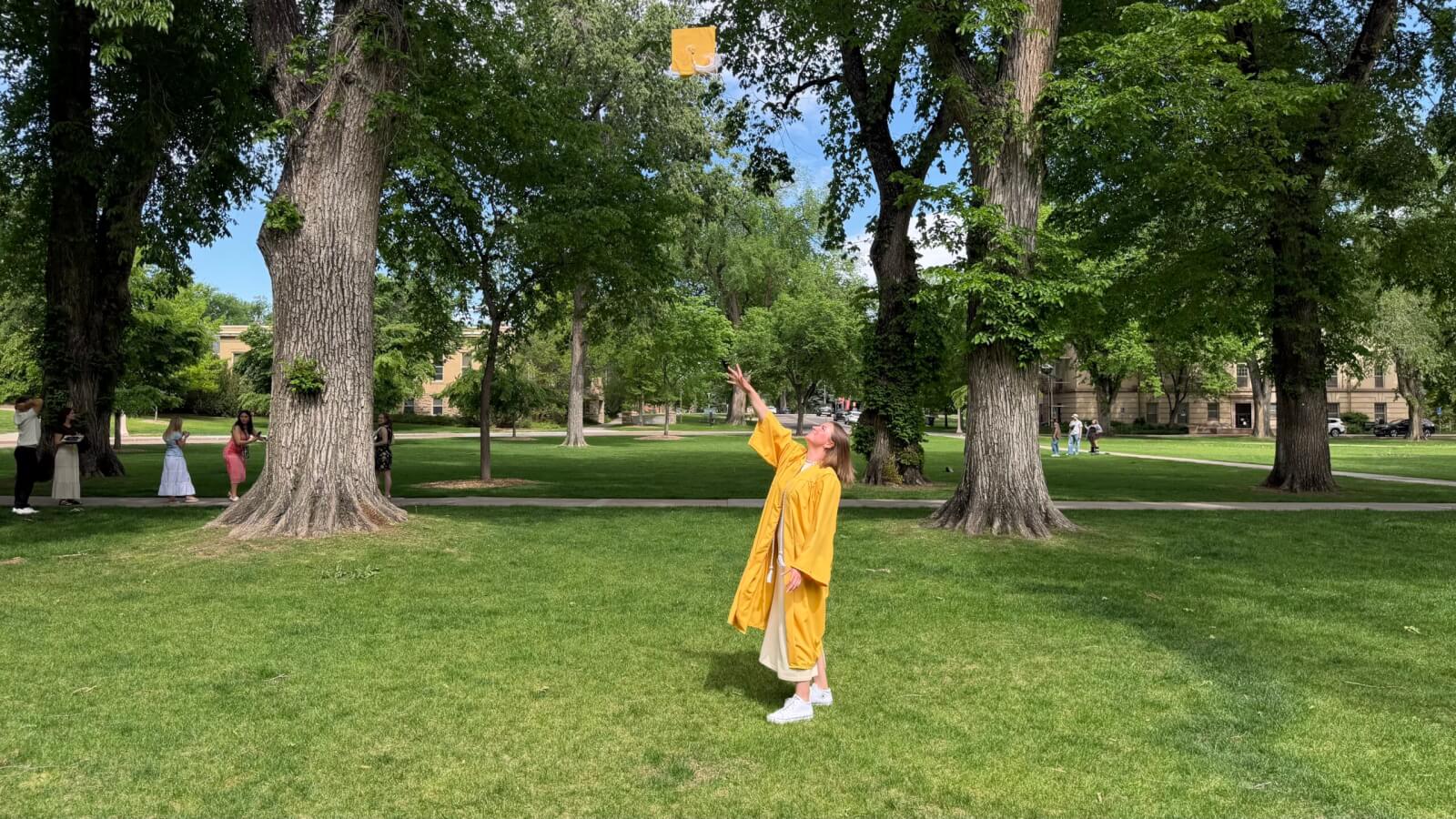
Personal Digest: Teens, AI and homework: 7 in 10 are using it
View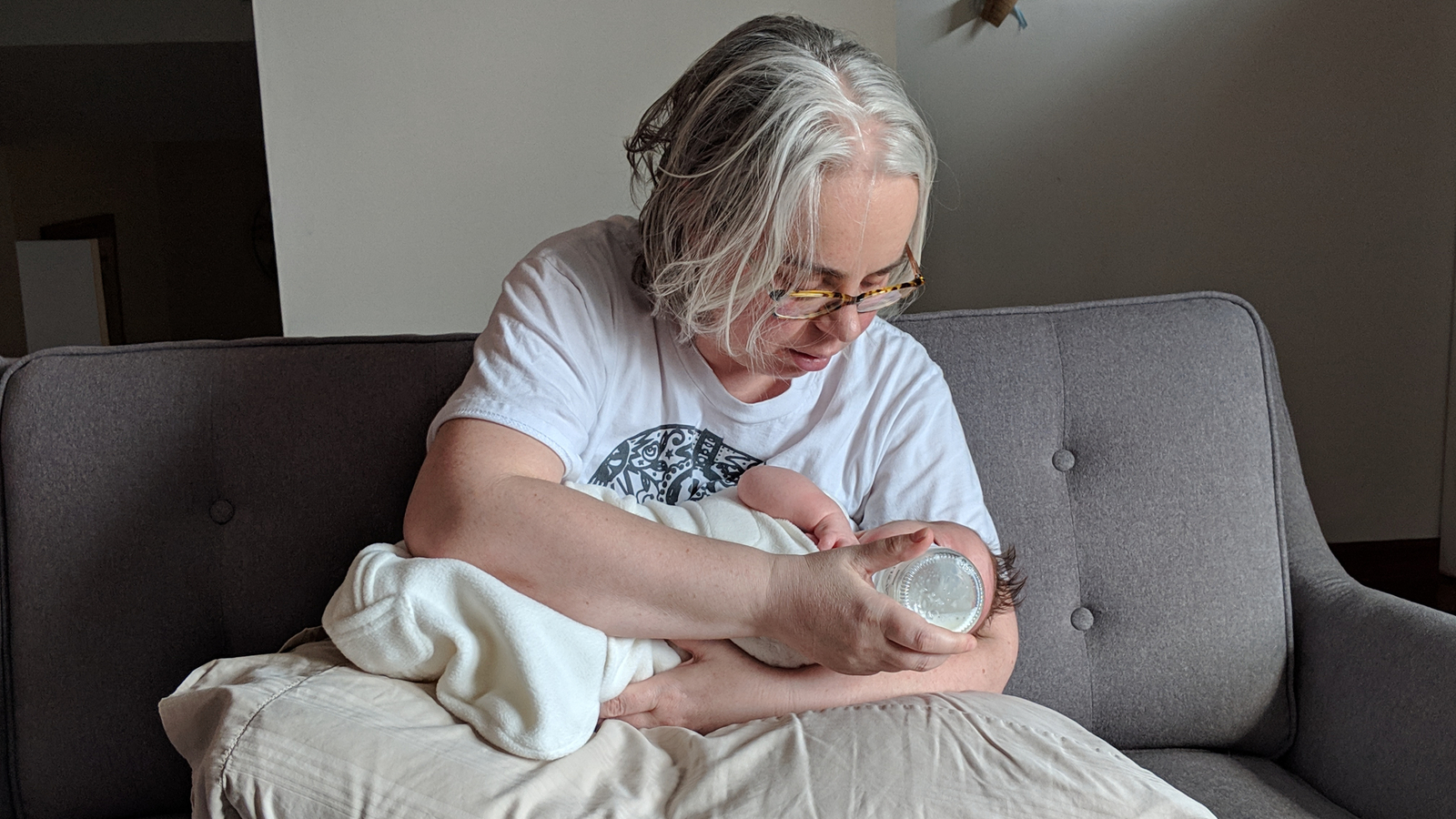
Personal Digest: Who pays for cures? A $750 billion idea
View
Personal Digest: Sleep’s surprising link to Long COVID risk
View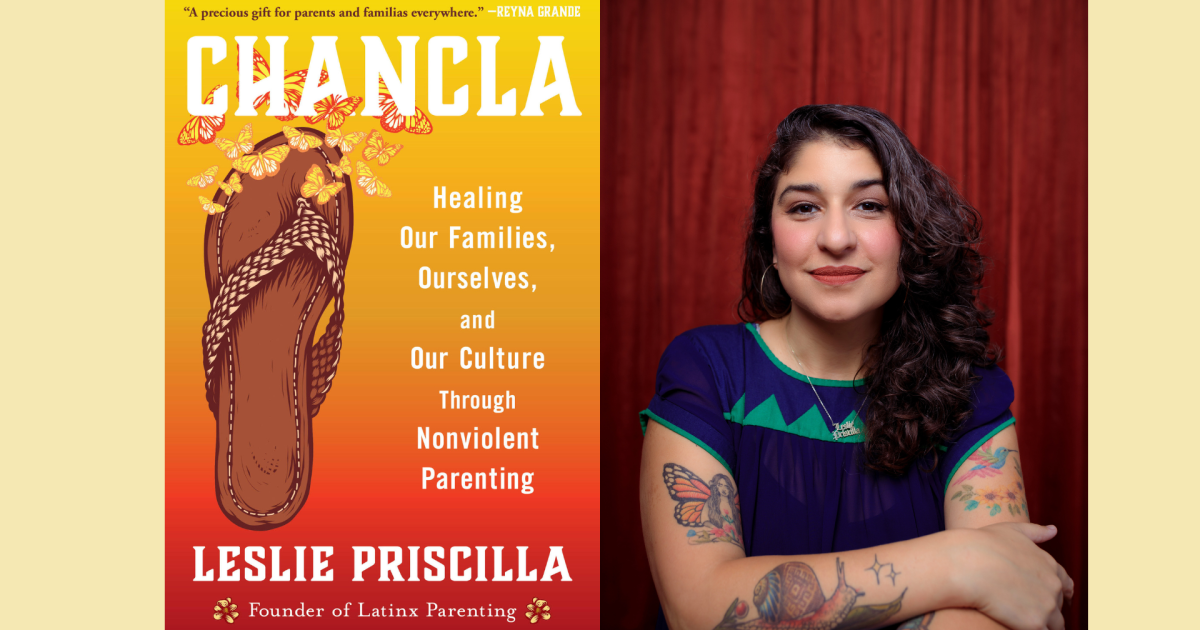
Personal Digest: Back-to-school mental-health crisis: 4.5M anxious kids
View
Personal Digest: When parental loss doubles a child’s risk
View
Personal Digest: When parents, not kids, fuel AI content
View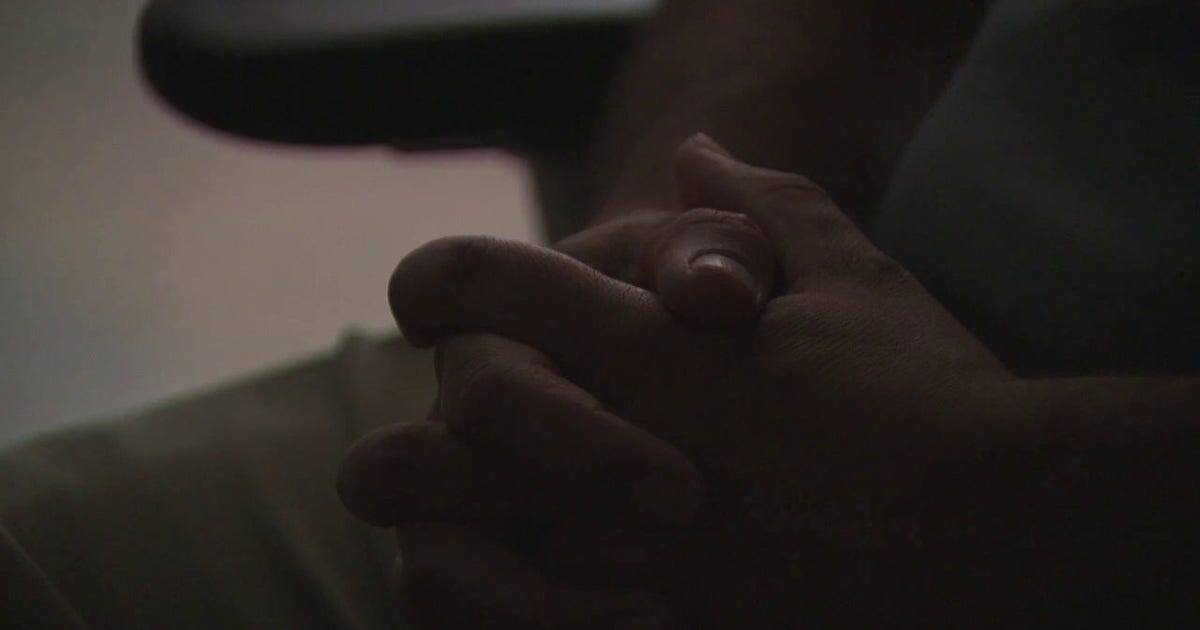
Personal Digest: Military mental-health crisis on a record deployment
View
Personal Digest: 2.4M Afghan girls shut out of school
View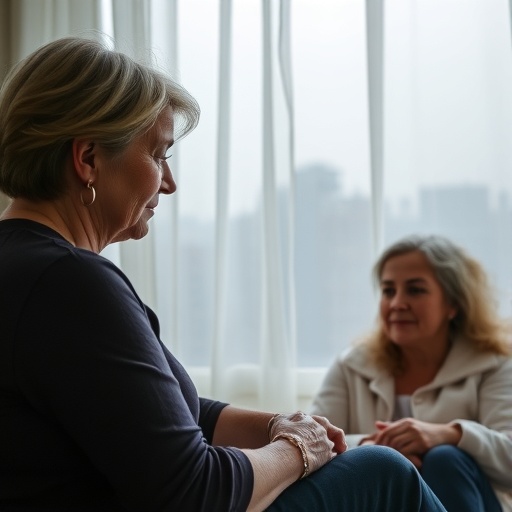
Personal Digest: Crisis signal: 1 in 5 teens considered suicide
View
Personal Digest: 38% of Americans are estranged from family
View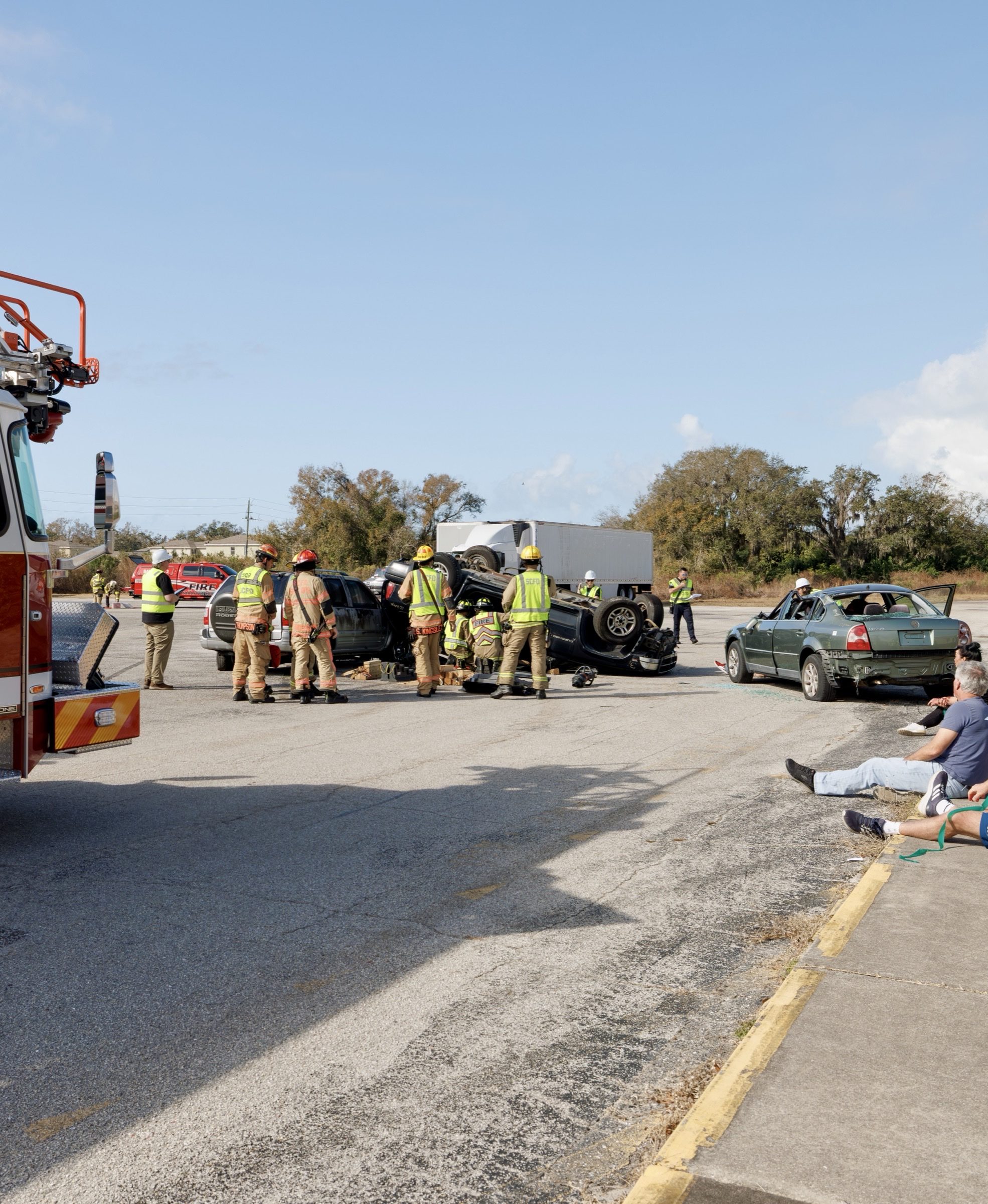
Personal Digest: Drone blood in under three minutes reshapes trauma care
View
Personal Digest: Colleges adapt as many students juggle parenthood
View
Personal Digest: When algorithms raise kids: a $942M reckoning
View
Personal Digest: About 38% of adults say they're estranged
View
Personal Digest: 10,000 regenerative trials: a clinical tipping point
View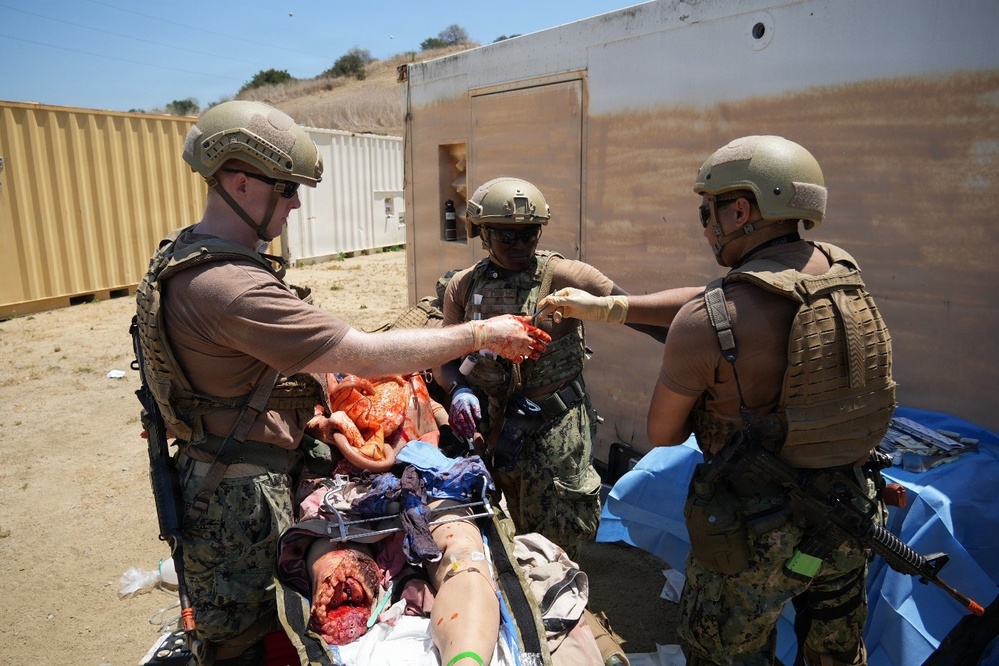
Personal Digest: First-in-nation drone delivers blood to ERs
View
Personal Digest: Parents vs. Platforms: a legal reckoning
View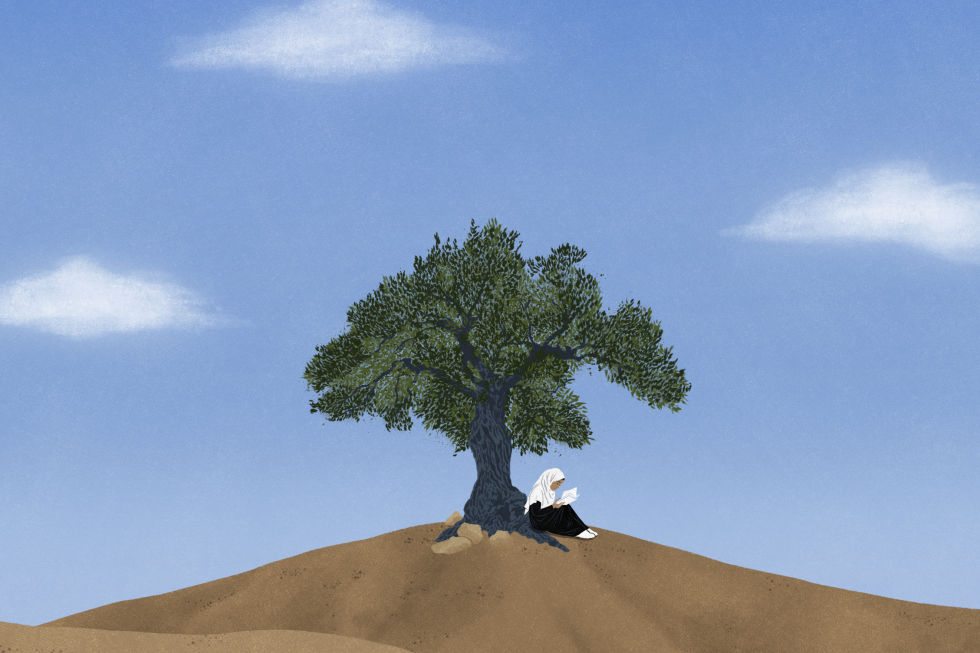
Personal Digest: Afghan girls barred from secondary school
View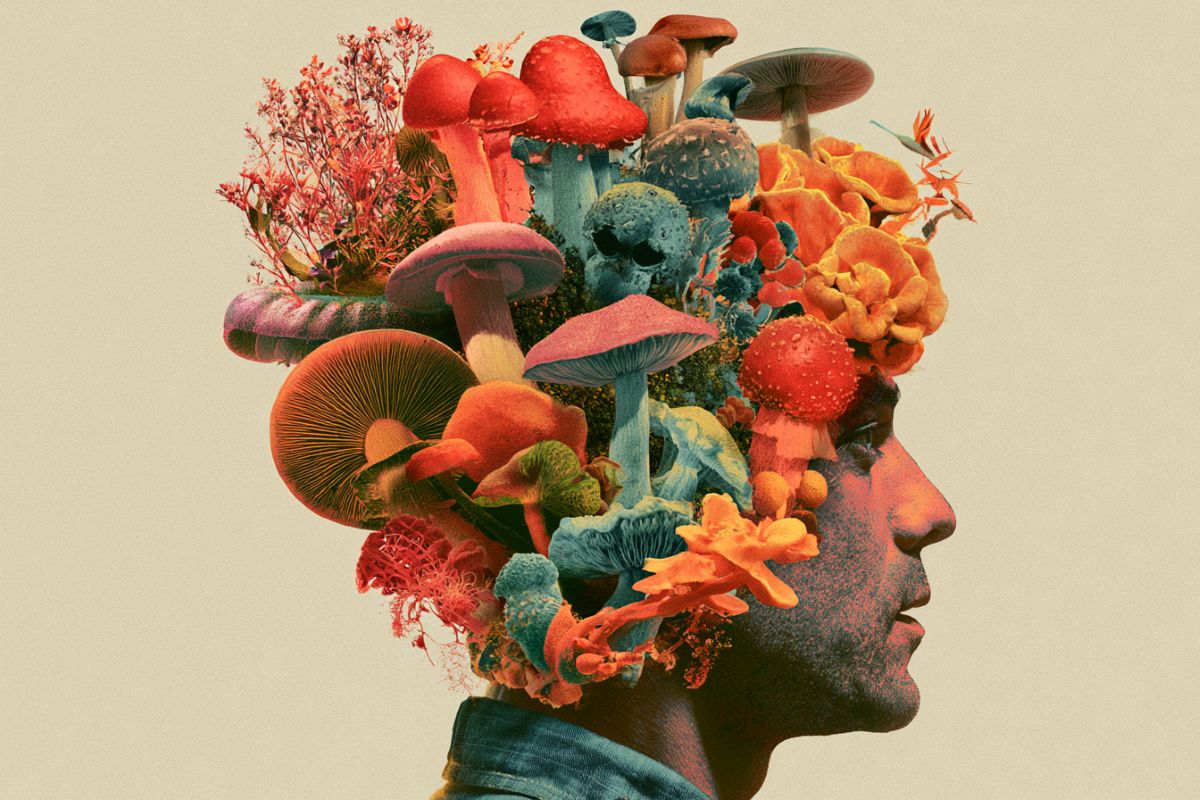
Personal Digest: New PTSD breakthrough: 75% remission in veterans
View
Personal Digest: 194 preteens died by suicide in 2025 — alarm
View
Personal Digest: 51.7M kids now eligible for school-choice tax credits
View
Personal Digest: France's under-15 social-media ban, and why parents need help
View
Personal Digest: When phones rewrite parenting rules
View
Personal Digest: Two-thirds of teens confide in AI — what now?
View
Personal Digest: SNAP cuts linked to rising community violence
View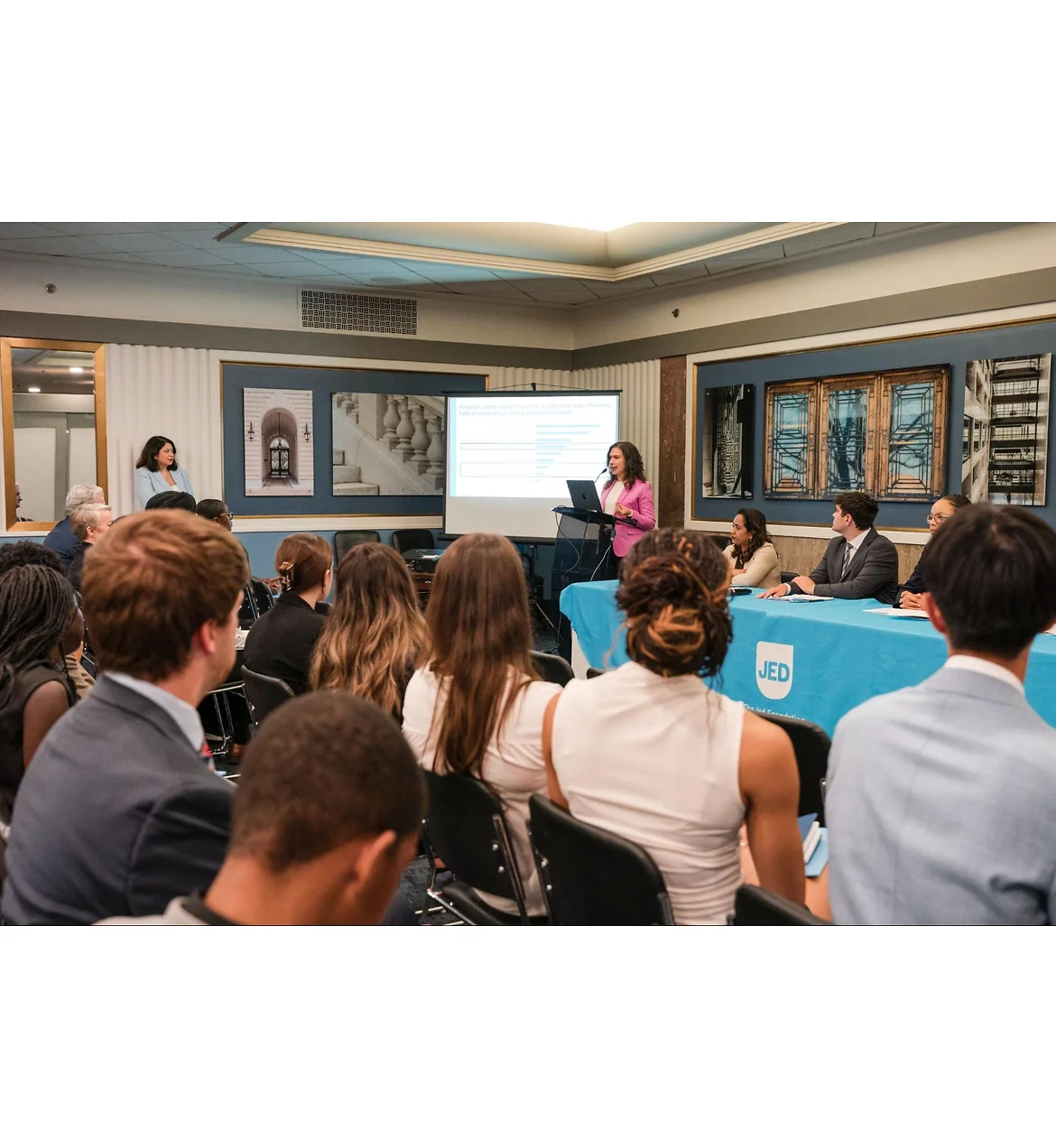
Personal Digest: Heat waves tied to spikes in psychiatric admissions
View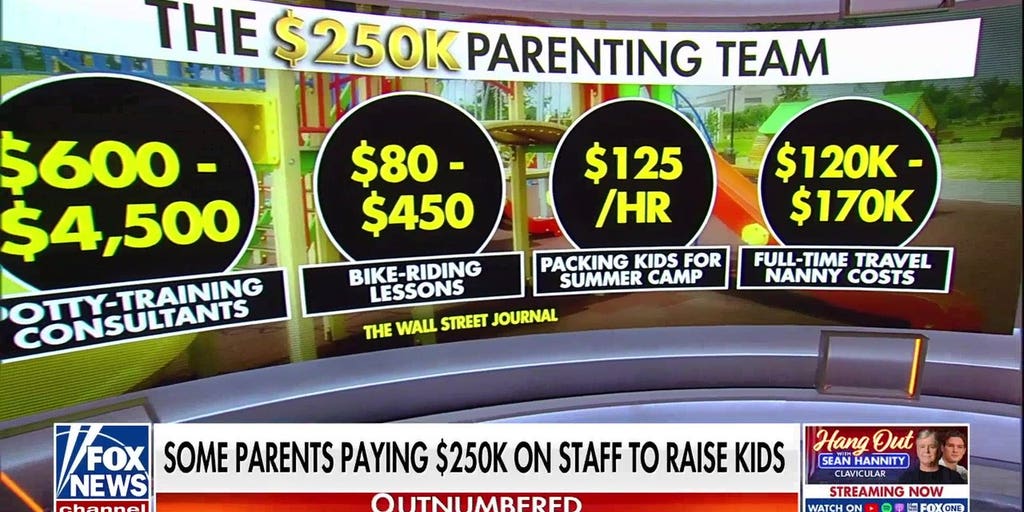
Personal Digest: Childcare: from crisis to $250,000 private teams
View
Personal Digest: Psychiatry’s $51M warning: systemic safety gaps
View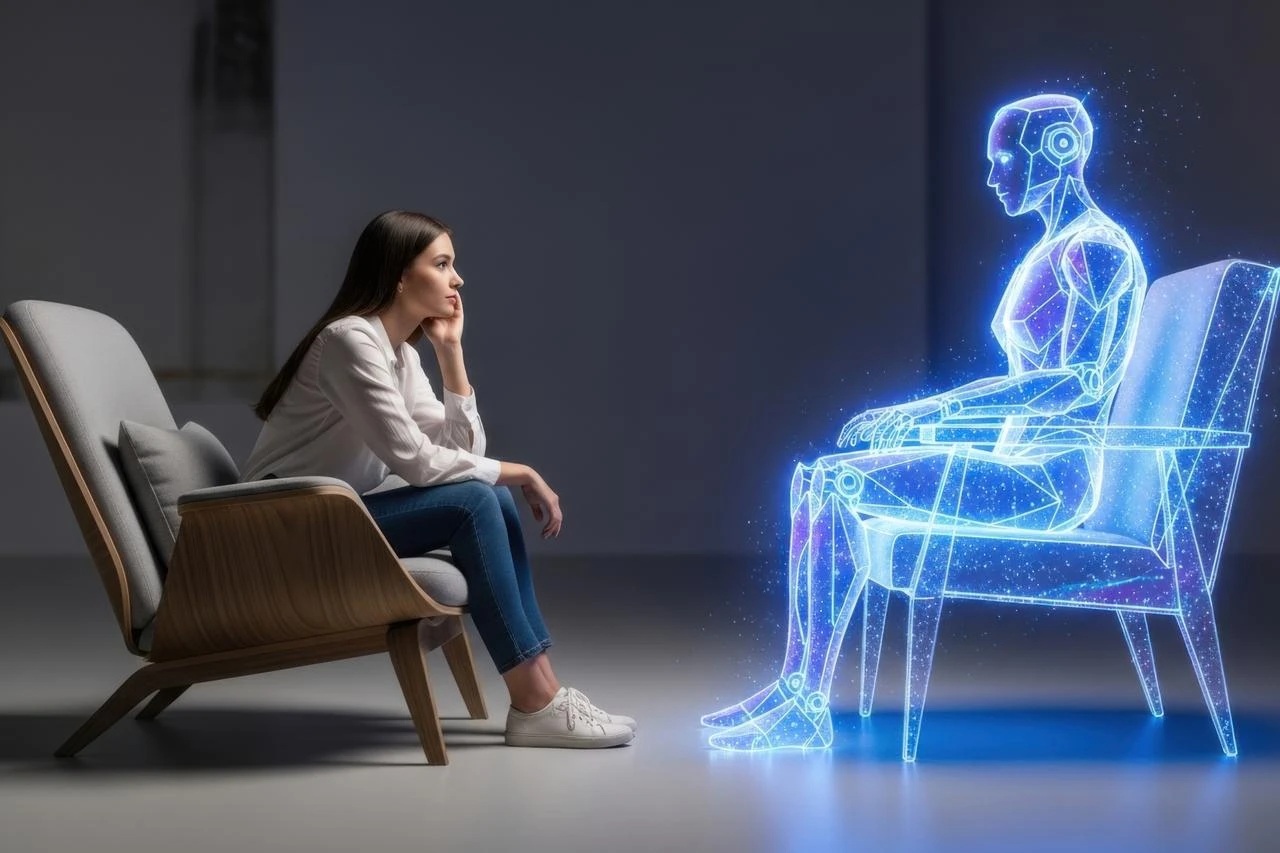
Personal Digest: AI therapists step into care gaps
View
Personal Digest: When parenting becomes a $250K service
View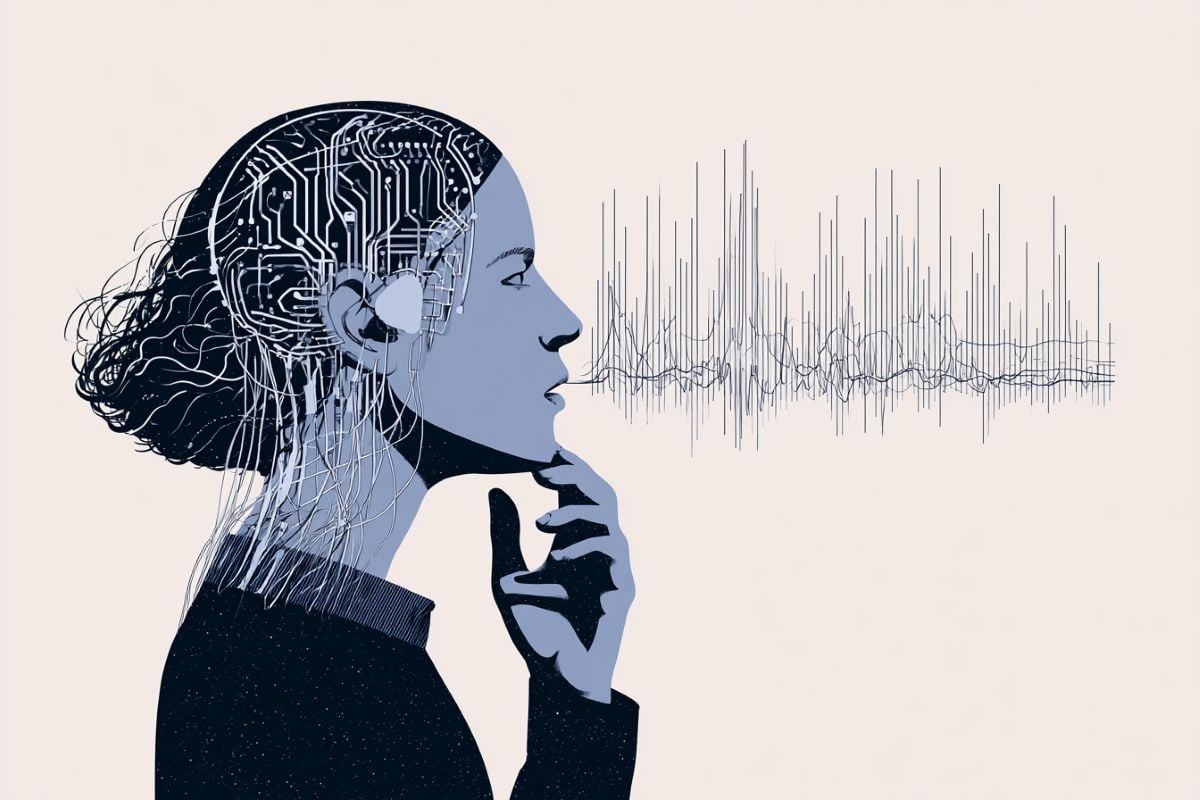
Personal Digest: AI restores speech for locked‑in patients
View
Personal Digest: Wearables added 46 minutes of sleep — and hope
View
Personal Digest: When hunger becomes part of mental health care
View
Personal Digest: Parents lose 48 nights of sleep yearly
View
Personal Digest: Teen's AI spots autism from retinal scans
View
Personal Digest: Illegal Adderall scheme exposes mental-health risks
View
Personal Digest: Legal fight to save youth mental-health help
View
Personal Digest: When kids see racism: parenting in crisis
View
Personal Digest: 1.2M kids may need mental‑health support
View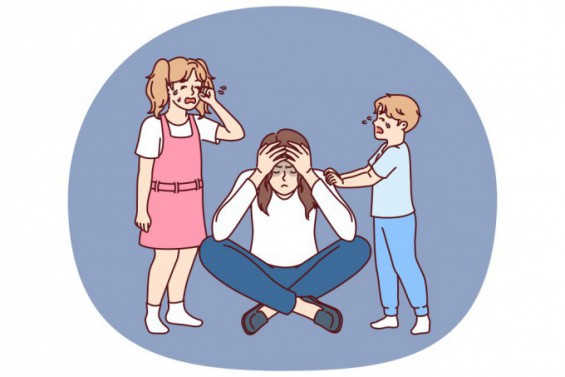
Personal Digest: Trauma-linked doubling of schizophrenia risk
View
AI risks, new brain-language map, and a mental-health policy sprint
View
Money for school mental health, Bible in Texas schools, and why EI beats AI
View
From Bible passages to a child mental-health emergency
View
Bible in Texas classrooms and new turns in mental-health care
View
Texas curriculum shift and a youth mental‑health alarm
View
Mental-health tech, parenting shocks, and schools under the microscope
View
AI, court rulings and education cuts reshaping care for kids
View
Mental-health care at a breaking point: AI, courts, and recalls
View
Work pressures, school AI scandals, and a national rethink on mental meds
View
AI remakes schools, big mental-health dollars, and trauma care goes broad
View
From Camp Mystic to cells: how trauma rewrites bodies and systems
View
Kids, brains, and burnout: safety, science, and surprising fixes
View
Why youth mental health and brain tech are rewriting care
View
Brain injury links, youth mental-health alarms, and survivors walking for change
View
New treatments, data gaps, and schools under pressure — what to know today
View
Funding fights, digital dangers, and a mental-health map for the brain
View
Mental-health crack-ups, college shakeups, and a 7‑year‑old on El Capitan
View
AI risk, youth isolation, and a funding fight for education
View
AI, kids, and a campus data breach — the stories that tug at safety nets
View
Med debates, kids' brains, and a Meta check that pays teachers
View
Mental-health strain surfaces in veterans, courts, and classrooms
View
Crisis and care: schools, mental health, parenting shifts
View
Lawsuits, loneliness, and screen-time summers — what’s reshaping kids’ lives
View
Learning losses, kids' mental strain, and parenting in an AI world
View
Religion in schools, mental-health cracks, parenting pressures
View
Schools under pressure: overdoses, AI chatbots, and parental strain
View
AI risks, campus politics, and family safety in three acts
View
Kids' data risks, DBS brain rewiring, and the new rules of parenting
View
AI, brain treatments, and parenting boundaries — safety and systems in focus
View
AI liability, schools wrestling with ChatGPT, and parenting in a wired world
View
When AI comforts, CTE scans arrive, and phones get banned in schools
View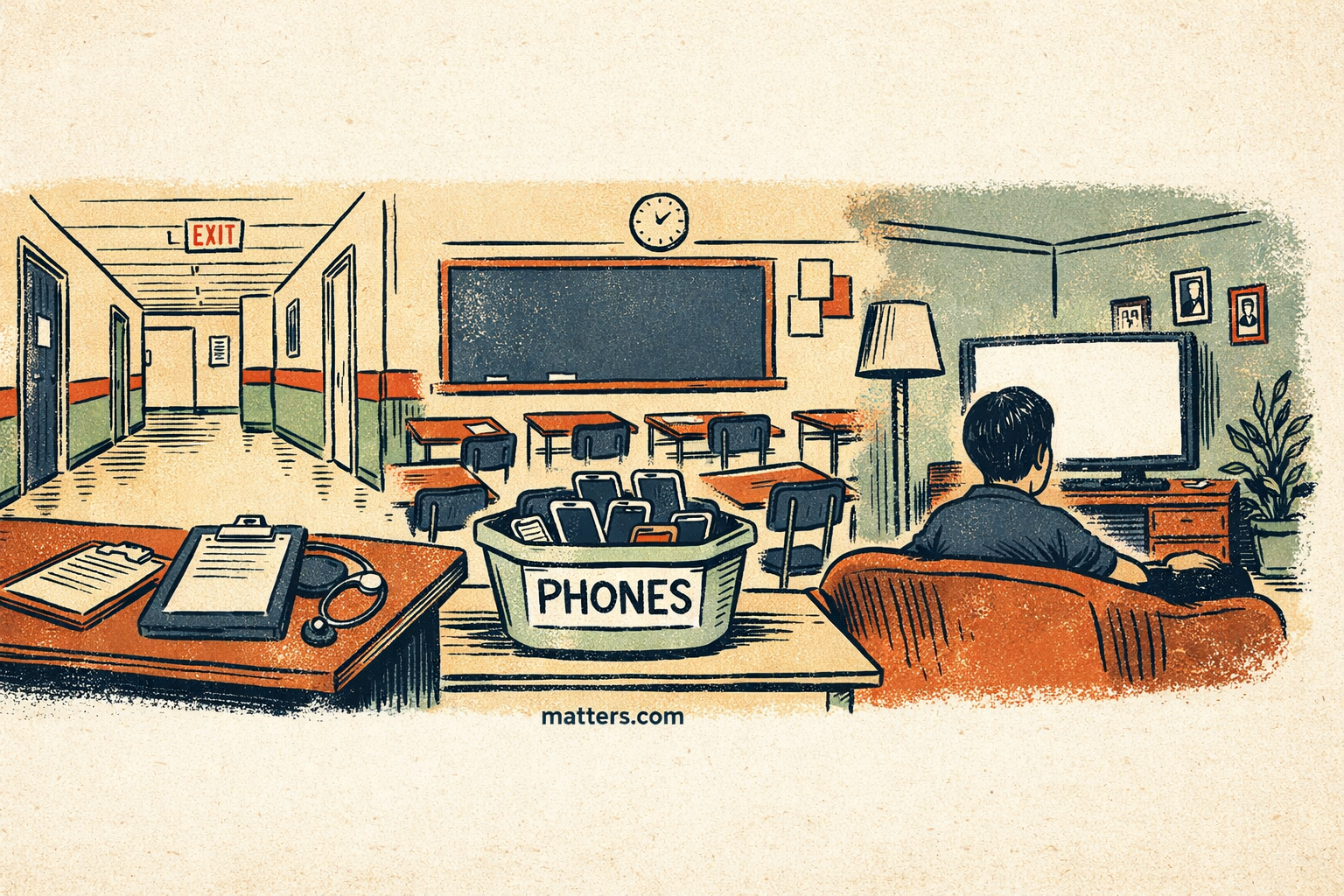
When screens, stress, and systems collide: mental health, schools, families
View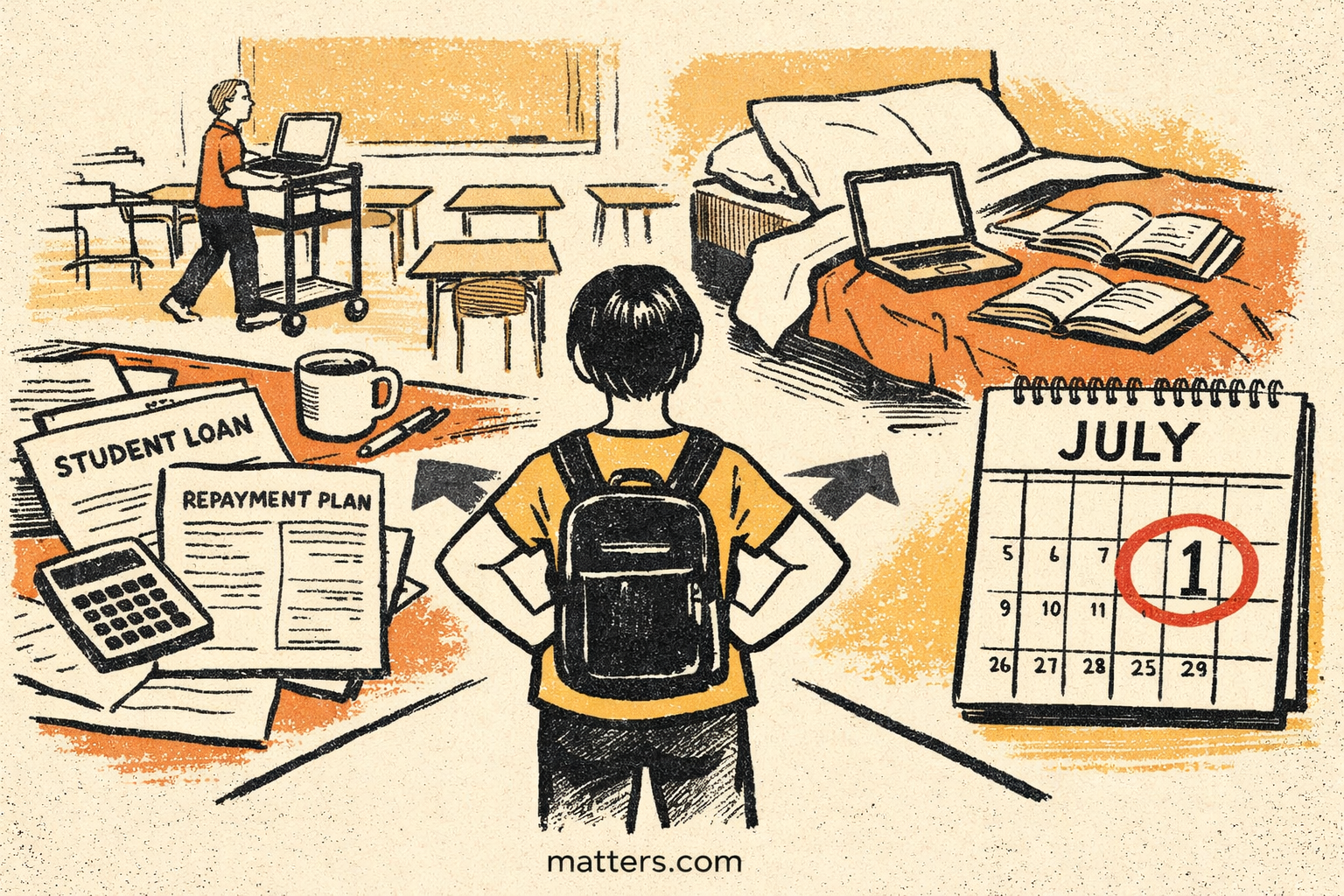
Education under pressure: loan deadline, AI limits, grad slump
View
AI chatbots, youth screen time and schools under pressure
View
Workforce Pell for 200K, detention mental-health alarm, parenting drama
View
Youth wellbeing under strain: from malnutrition to school safety
View
Memory, fear, and small acts that change the nervous system
View
Seizures, scents, and handwriting: small signals, big brain clues
View
When bodies remember: trauma, SEL, and tiny neuroscience wins
View
When bodies and systems speak: trauma, brain science, and community care
ViewCare gaps, brain science, and gentle care: what’s shifting now
ViewWhen healing meets headlines: trauma, care access, and nervous-system clues
ViewFrom courtroom wins to immune clues in the brain — what shifted today
ViewWhen schools teach feelings and cities patch trauma — the week’s connective tissue
ViewNeural breakthroughs, school supports, and trauma‑aware care on the rise
ViewWhy trauma, tech, and schools are rewriting care and connection
ViewFrom long COVID to trauma‑informed schools: care, science, and systems
ViewFrom NEET canceled to new histamine brain maps — what to know today
ViewExam chaos, birth trauma, and a brain‑controlled hearing aid — what to know
ViewFrom crisis to care: rising trauma, burnout, and practical fixes
ViewSchools, sleep, and the nervous system — healing, learning, and why it all ties together
ViewCare, brains, and scars: new pushes in trauma, neuroscience, and access
ViewWhen schools, science, and safety collide: mental health, trauma, and the brain
ViewKids on screens, student aid in crisis, and mental-health risks reshaping care
ViewRatings (5)

Emotional pain matters to Cendrine because most lack tools to face it; Cendrine loves teaching these tools so others stop feeling powerless and avoid destructive coping.
Does EMOTIONAL PAIN matter to you?
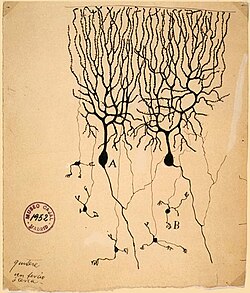
Neuroscience matters to Cendrine because it enables precise identification of underfunctioning brain areas and targeted training to improve diverse outcomes.
Does NEUROSCIENCE matter to you?

Trauma-informed care matters to Cendrine because 'a lot of damage can be done if someone is trying to help someone who is already dealing with trauma; secondary trauma is unnecessary.'
Does TRAUMA-INFORMED CARE matter to you?

Trauma matters to Cendrine because not enough people have capacity to be with those experiencing or trying to heal from trauma.
Does TRAUMA matter to you?
Chronic illness matters to Cendrine because it 'often feels like a life sentence' but believes in our ability to support ourselves and improve symptoms.
Does CHRONIC ILLNESS matter to you?